15 Adorable Duck Enclosure Ideas For This Winter That Will Melt Your Heart
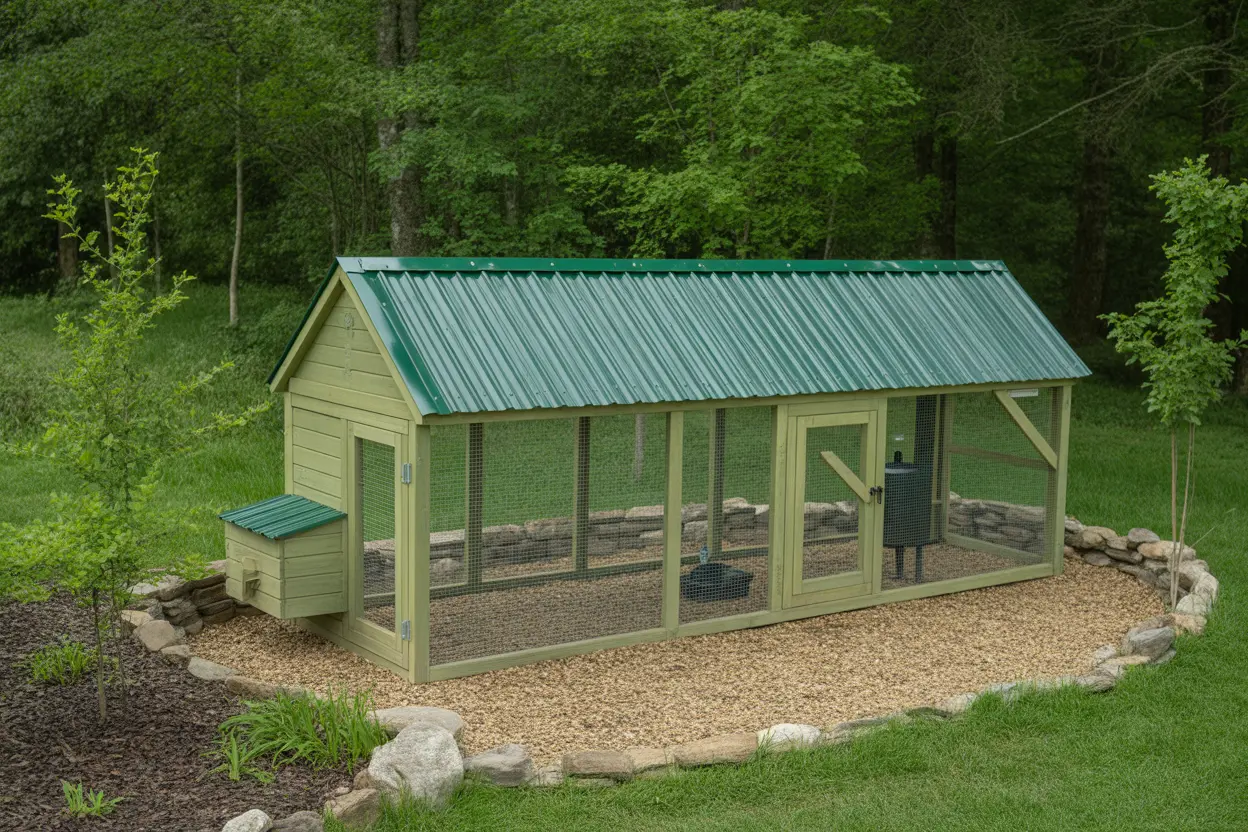
Preparing a comfortable and safe environment for ducks during winter can be challenging. It’s important to make sure their enclosure is well-prepared as temperatures drop and snow covers the ground.
We have 15 solutions with ventilation, water access, exercise space, and emergency heating to keep ducks active during the cold season. Such as using the deep litter method for natural warmth and installing solar-powered lighting systems. You can also opt for draft-free ventilation, insulated water solution, and more. Each modification can be adjusted to fit your specific coop size and local climate conditions.
Whether you’re experienced or preparing for your first winter with ducks, these ideas will be helpful enough. Want to learn more? Let’s dive in!
15 Game-Changing Duck Enclosure Ideas for This Winter
As temperatures decrease and snow starts to accumulate, it’s important to provide your ducks with additional warmth and shelter. These 15 duck enclosure ideas designed for winter will ensure your waterfowl remain content and healthy throughout the coldest part of the year.
1. Deep Litter Method Implementation
The deep litter method isn’t just for chickens – it’s a game-changer for duck enclosures in winter.
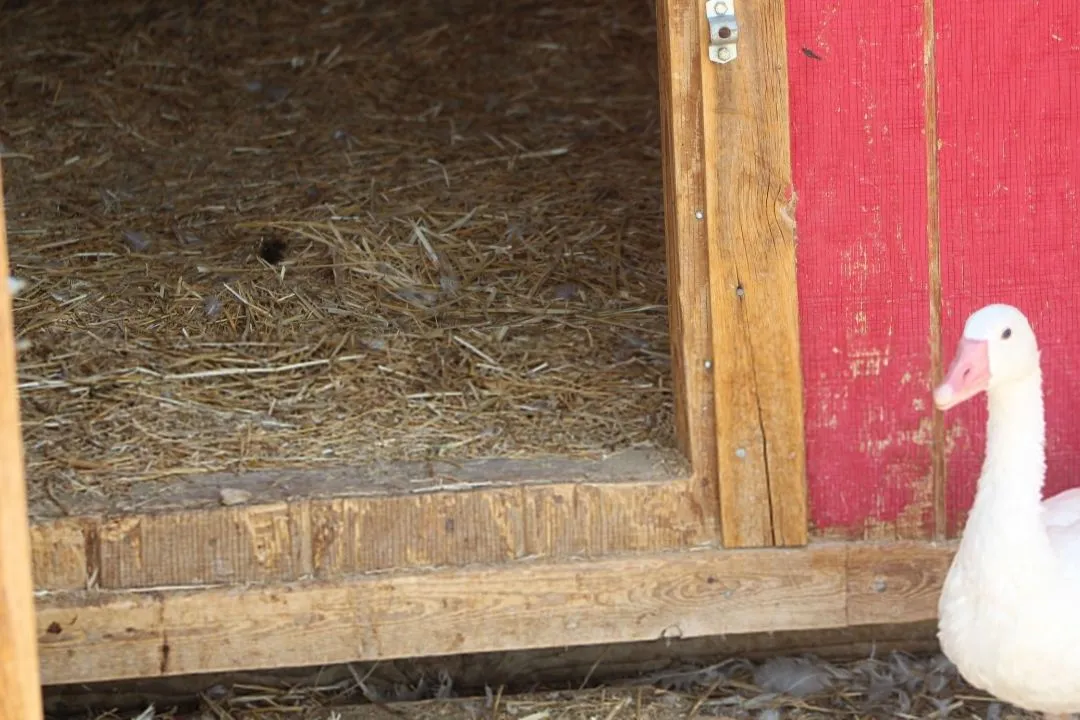
Start by laying down a thick base layer of pine shavings or straw, about 4-6 inches deep. Throughout the winter, add fresh bedding on top of the existing layer. The decomposing bottom layers create natural warmth, while the top layers stay dry and comfortable for your ducks.
The beauty of this system lies in its simplicity and efficiency. The decomposition process generates heat from below, while the multiple layers provide excellent insulation. Your ducks will love scratching and foraging through the different layers, keeping them active even when confined indoors.
2. Draft-Free Ventilation System
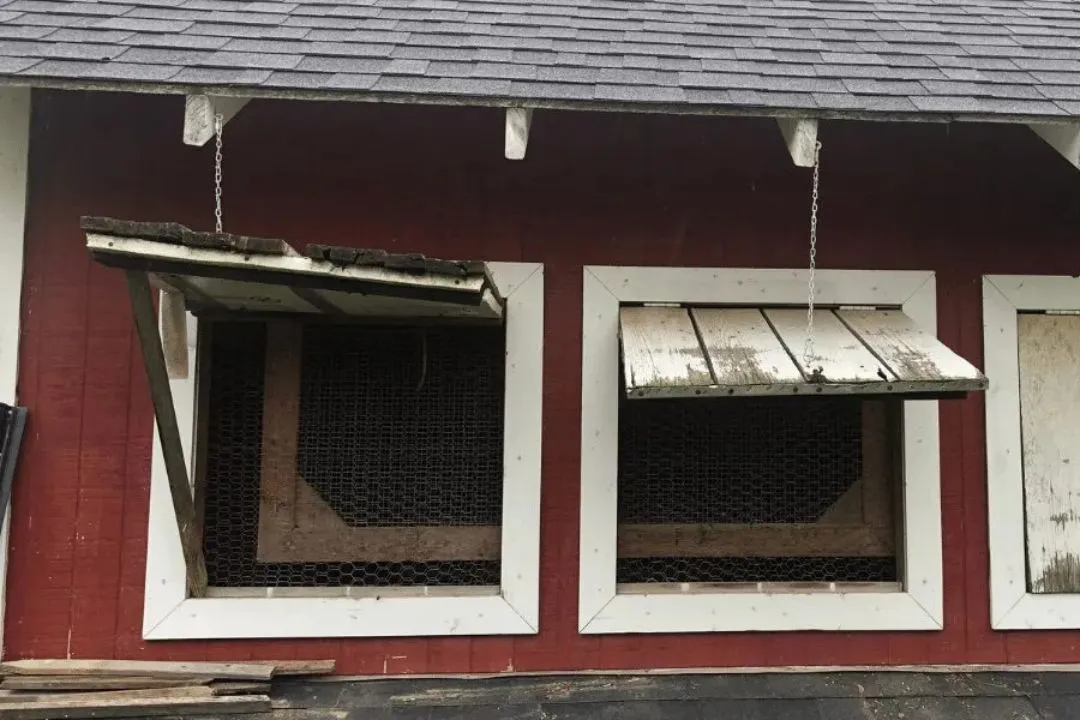
Achieving the right balance between ventilation and draft prevention is essential for winter duck care. Install adjustable vents near the top of the coop, positioned well above the ducks’ resting areas. These upper vents allow moist air to escape while shielding the ducks from direct cold drafts.
You might also consider using clear plastic panels that can be adjusted according to weather conditions. This setup ensures good air quality while protecting the ducks from strong winds. The key is to place the vents in a way that promotes air circulation without creating direct airflow over the areas where the ducks sleep or rest.
3. Insulated Water Station in a Duck Enclosure
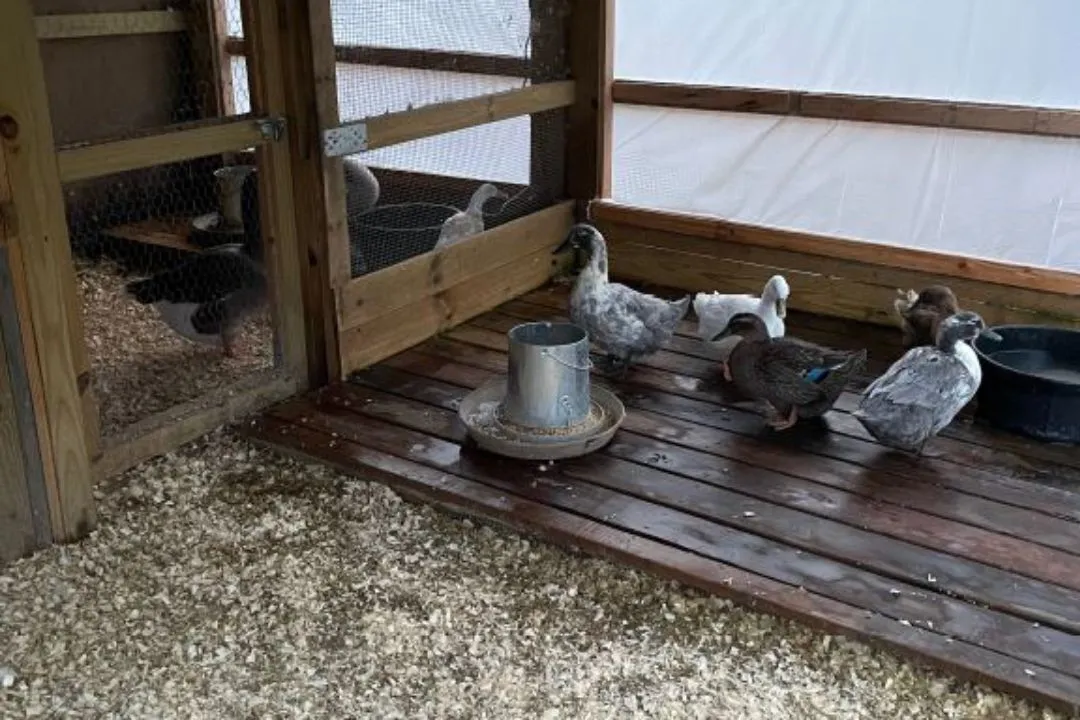
Ducks need access to water even in freezing temperatures. Design a dedicated water station with an insulated base and heated water bowl. Line the area with rubber mats to catch splashes and prevent ice formation. This setup helps maintain liquid water without creating dangerous icy conditions.
Create a slightly elevated platform for the water station to keep it clean and prevent bedding from getting wet. The platform should have a gentle ramp for easy access. Consider installing a heated dog bowl or aquarium heater in a deep basin to maintain water temperature just above freezing.
4. Solar-Powered Lighting System in a Duck Enclosure

Install a simple solar-powered lighting system to extend daylight hours and maintain duck activity levels. Position solar panels on the south-facing roof, connecting them to low-energy LED lights inside the duck enclosure. This setup provides gentle illumination during shorter winter days.
The lighting system serves multiple purposes beyond visibility. It helps maintain natural laying cycles and provides extra warmth. Use timers to create a consistent schedule, gradually dimming the lights to simulate natural sunset. This helps reduce stress and maintain normal behavioral patterns.
5. Enclosed Run with Weather Protection
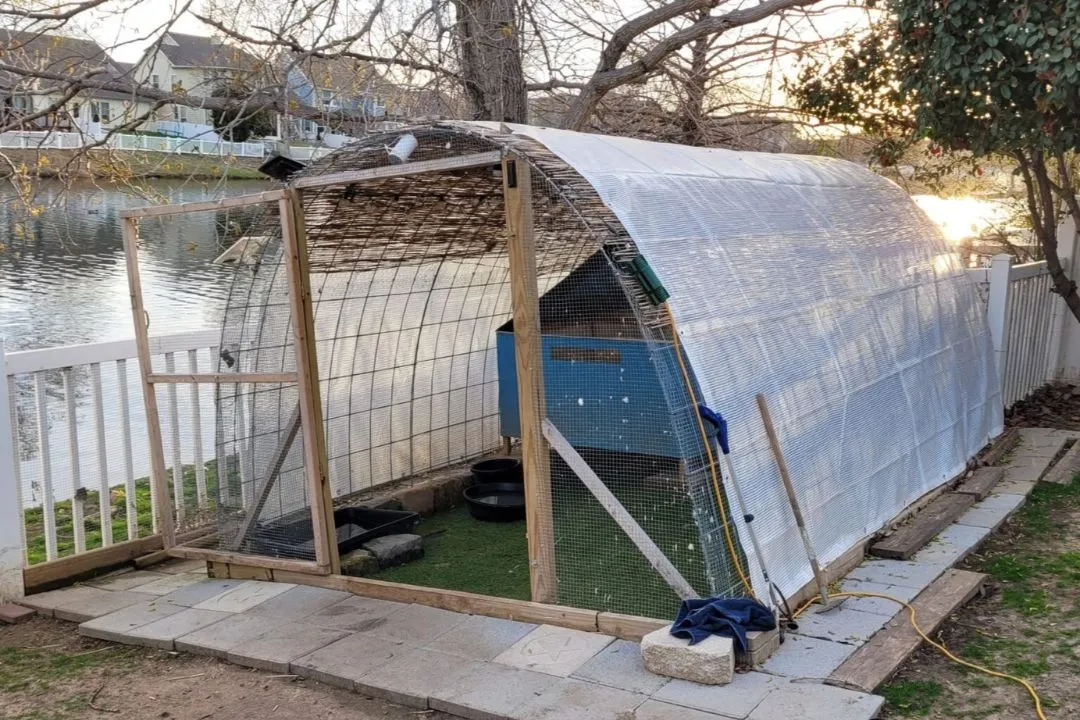
Transform your outdoor run into a winter-ready space by adding clear polycarbonate panels on three sides. Leave the south-facing side partially open for ventilation and sunlight. This creates a greenhouse effect, warming the area during sunny days while blocking harsh winds.
Add a pitched roof over the run to prevent snow accumulation and create a dry space for exercise. Consider installing removable panels that can be adjusted based on weather conditions. This flexibility allows you to modify the environment as needed throughout the winter season.
6. Multi-Level Roosting System
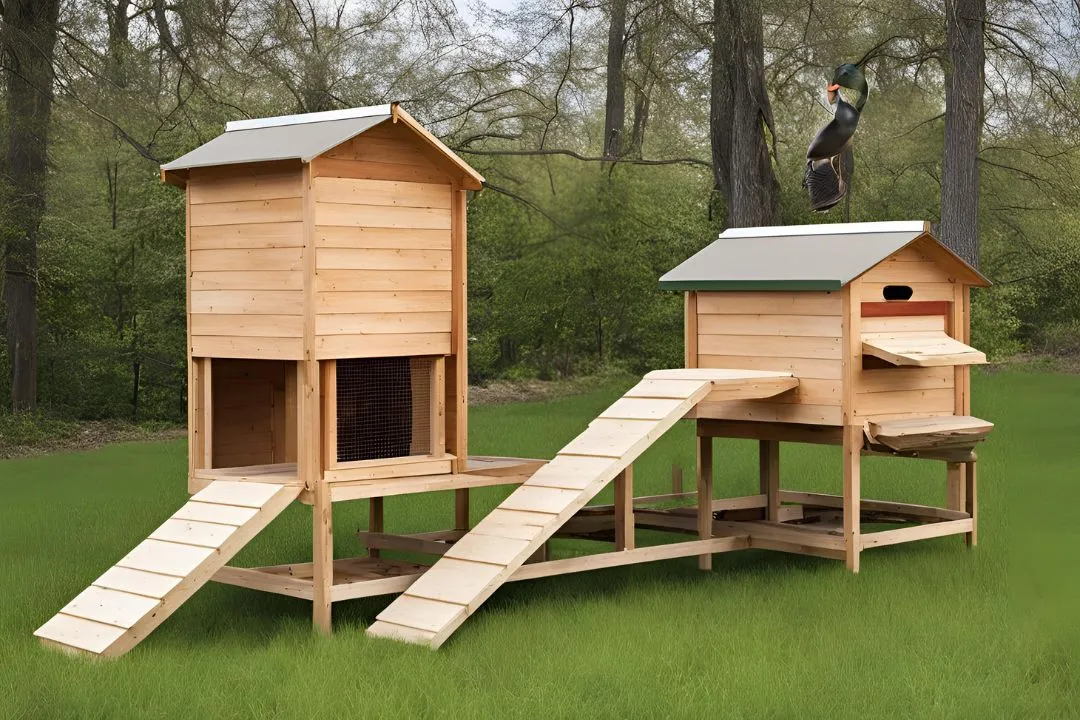
Design a roosting system with multiple levels, allowing ducks to choose their preferred height and temperature zone. Use wide, sturdy platforms rather than traditional roosting bars, as ducks prefer flat surfaces. Cover these platforms with rubber mats for better grip and easy cleaning.
Space the platforms at different heights, with the highest ones capturing rising warm air. Ensure each level has enough room for ducks to spread out comfortably. The multi-level design maximizes space usage while providing various temperature options for your flock.
7. Dedicated Nesting Area
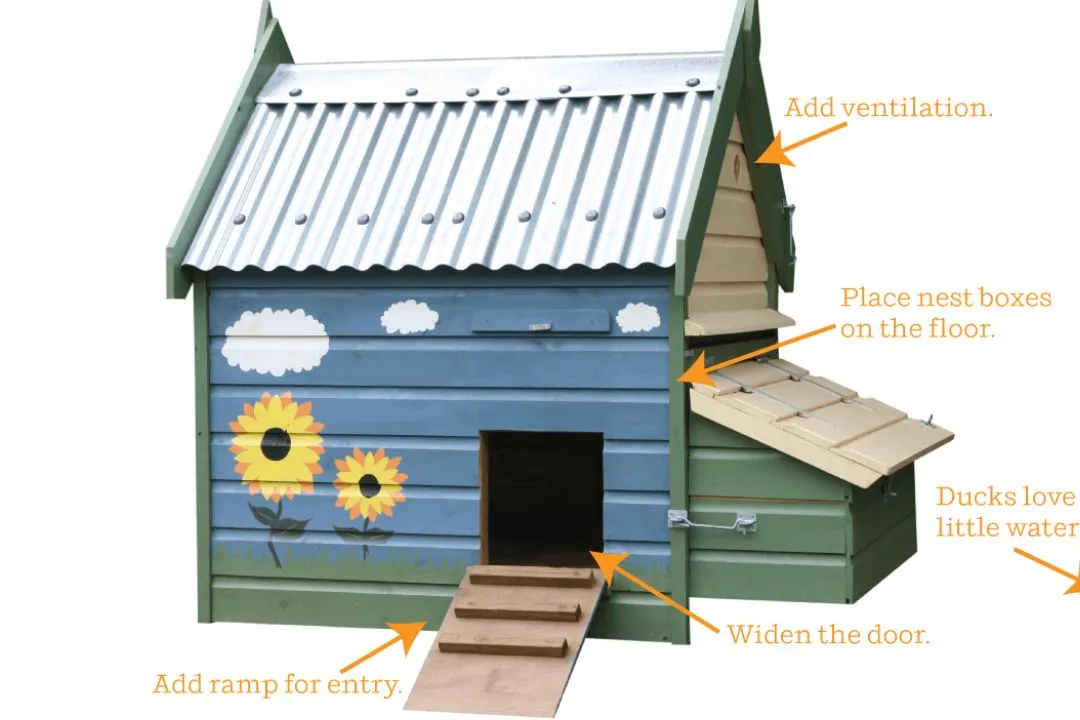
Create a separate nesting section with extra insulation and privacy. Use straw-filled nest boxes positioned away from drafts and water areas. Each box should be large enough for your largest duck and include a lip to keep bedding contained.
Line the boxes with moisture-resistant materials and change bedding regularly to prevent dampness. Position the nesting area in a darker, quieter part of the duck enclosure to encourage laying. This setup provides a comfortable, secure space for egg-laying during cold months.
8. Heat-Reflective Interior
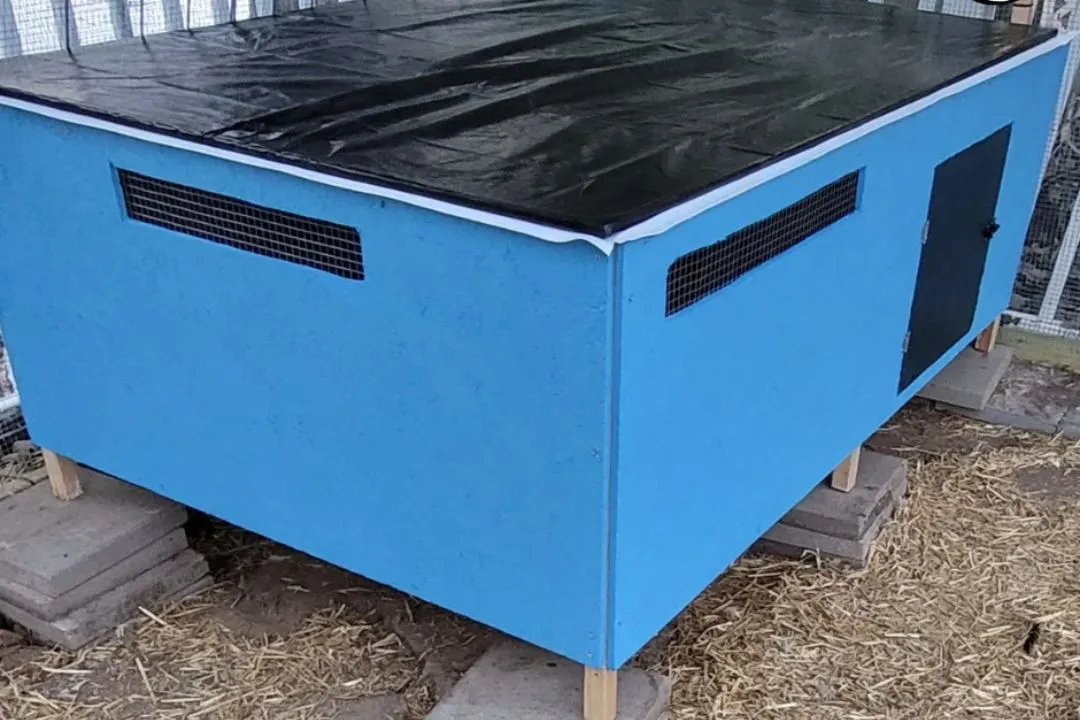
Maximize heat retention by lining the interior walls with reflective insulation material. Use food-grade reflective sheets or specialized coop insulation that’s safe for poultry. This creates an effective barrier against cold while reflecting internal heat back into the space.
Ensure all insulation is properly sealed and protected from curious beaks. The reflective surface helps distribute heat evenly throughout the coop, preventing cold spots. This system works particularly well when combined with passive solar heating through windows or clear panels.
9. Protected Food Storage System
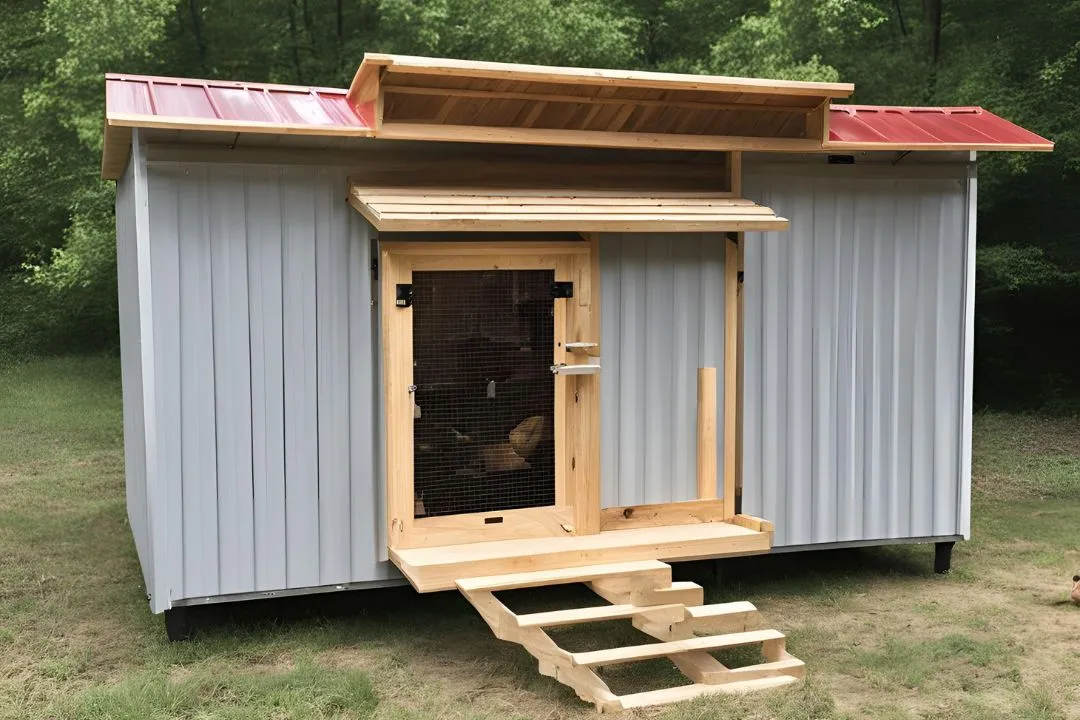
Develop a weather-resistant feeding station that ensures food remains dry and accessible. Incorporate a covered structure with sloped sides to shield the feed from rain and snow. Utilize durable feed containers with tightly sealed lids to guard against moisture and pests.
Include a small overhang above the feeding area to provide additional protection. Position feeders away from water stations to prevent feed from getting wet. This setup helps maintain food quality while making it easily accessible for your ducks.
10. Snow-Free Entry System
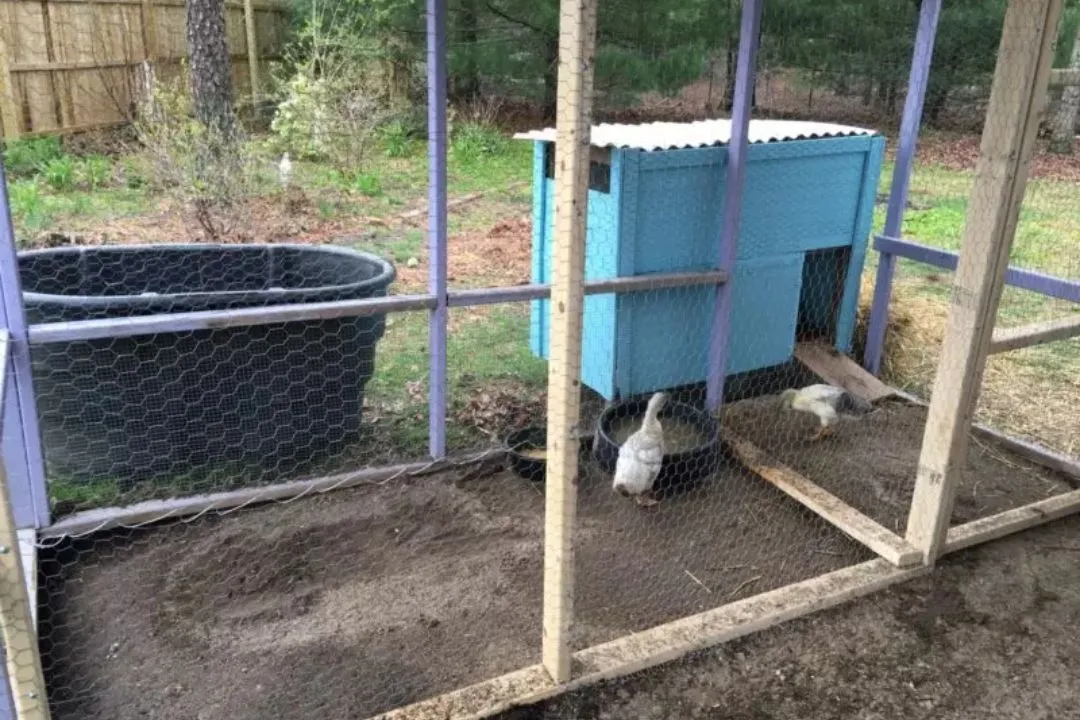
Create a covered entrance pathway that prevents snow accumulation near the coop door. Design a sloped roof over the entrance with extended sides to block drifting snow. This ensures your ducks always have clear access to their shelter.
Consider adding a small wind block or barrier near the entrance to reduce drafts. The pathway should be wide enough for multiple ducks to pass through comfortably. This design helps maintain easy access while protecting against harsh weather conditions.
11. Emergency Heat Source Setup
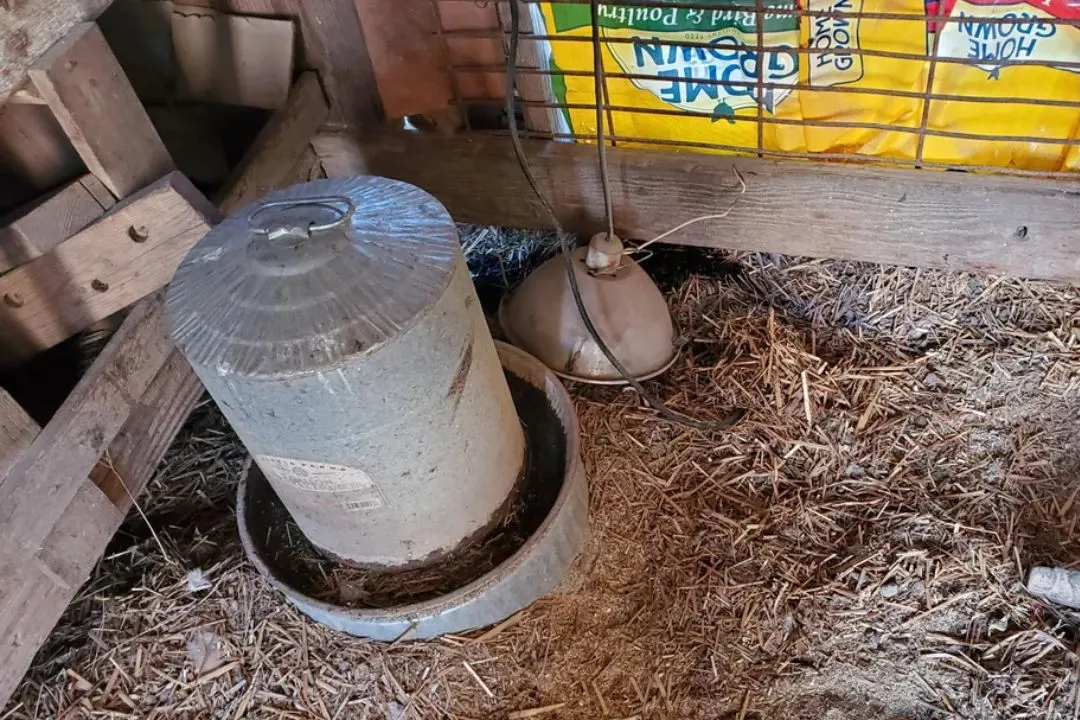
Prepare a safe emergency heating system for extreme cold snaps. Install ceramic heat emitters or infrared panels mounted securely above duck height. These provide gentle warmth without the fire risks associated with traditional heat lamps.
Create a designated “warm zone” where ducks can gather if needed. The heating system should be thermostat-controlled and positioned to prevent direct contact. This provides a reliable backup during severe weather while maintaining safety.
12. Humidity Control System
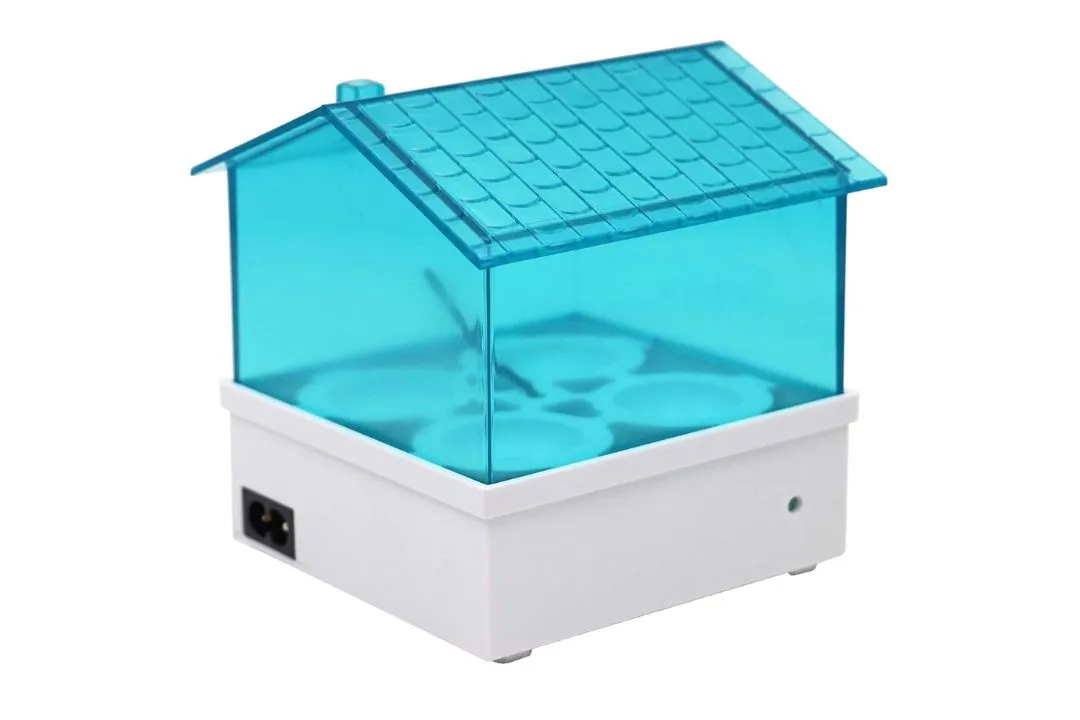
Install an efficient yet straightforward humidity control system. Place moisture-absorbing materials such as zeolite or agricultural lime in key areas. Incorporate adjustable ventilation channels to regulate moisture levels without creating drafts.
Position moisture collectors near water sources and in corners prone to condensation. Regularly monitor and maintain these areas to prevent excessive humidity, which can cause respiratory problems and frostbite in colder conditions.
13. Wind-Break Barrier Design
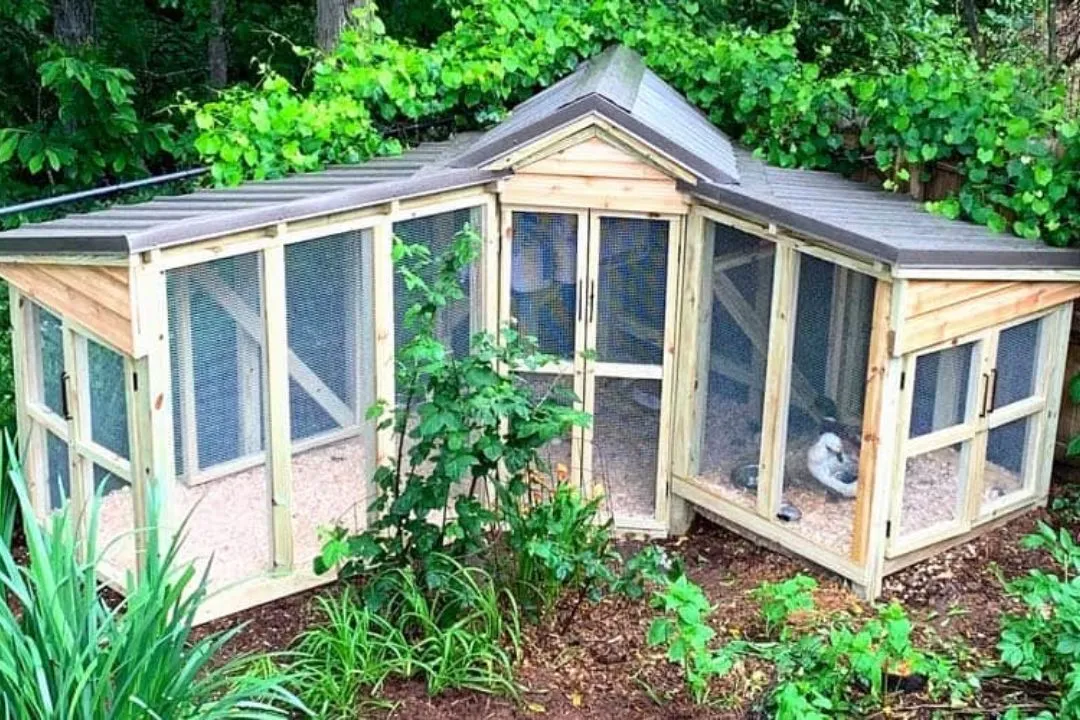
Install external wind barriers around the exposed sides of the coop. Opt for natural materials like straw bales or construct permanent barriers using weather-resistant materials. Position these barriers to redirect prevailing winds while still allowing adequate air circulation.
For added insulation, consider a double-wall system with an air gap. Ensure the barriers are tall enough to shield the entire coop structure. This setup effectively minimizes wind chill while preserving essential ventilation.
14. Solar Heat Collection System

Integrate passive solar heating features into your coop design by using dark-colored materials on south-facing walls to capture heat throughout the day. Incorporate thermal mass materials, such as water barrels or concrete blocks, to store heat and gradually release it overnight.
Position windows or clear panels to maximize sunlight exposure during the winter months. Place thermal mass elements in areas where they receive direct sunlight without obstructing duck movement. This approach provides natural warmth while eliminating additional energy costs.
15. Duck-Friendly Exercise Area
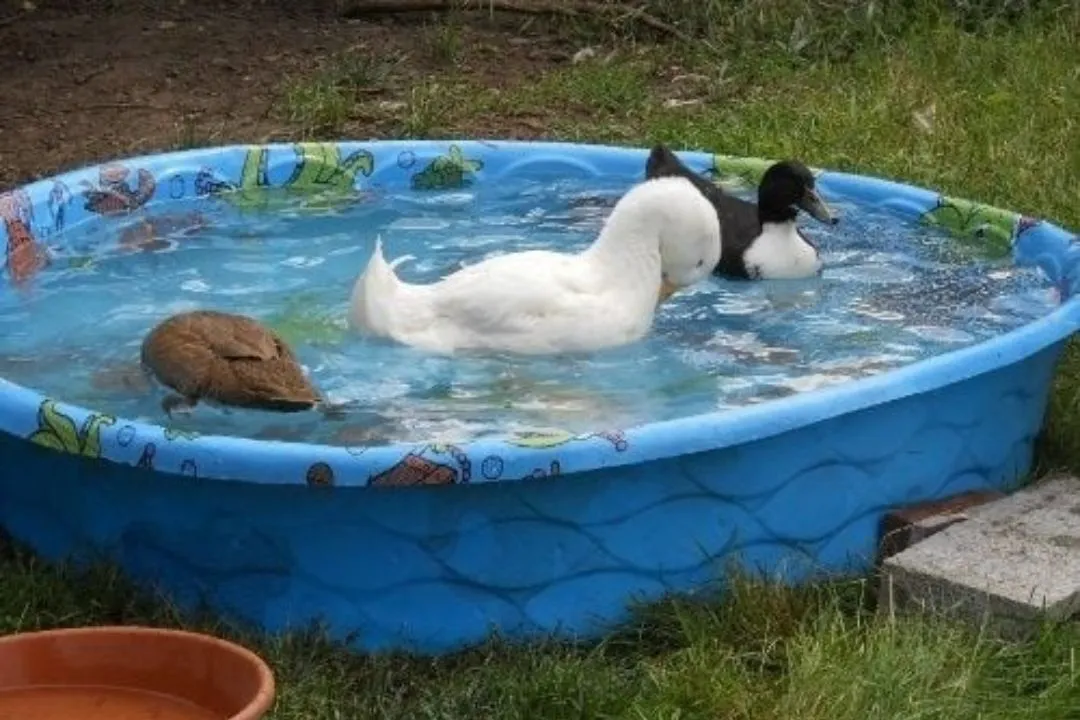
Design an indoor exercise area to keep ducks active during winter confinement. Incorporate engaging features such as shallow, easily drainable pools, ramps, and surfaces with varied textures to promote foot health. Ensure the space is easy to clean and well-ventilated.
Add enrichment items like hanging vegetables or treat-dispensing balls to encourage movement and activity. The area should provide ample room for ducks to flap their wings and perform natural behaviors, supporting their physical health and preventing boredom during the winter months.
Related Reads:
Final Word
Building a winter-proof duck shelter can be straightforward and budget-friendly. By applying these effective suggestions, you can keep your ducks cozy and healthy throughout the coldest season. Prioritize key aspects like adequate insulation, good ventilation, and access to water.
Keep in mind that cheerful ducks are lively ducks, even during winter. By creating a thoughtfully designed environment that meets their essential needs and includes chances for activity and stimulation, you’ll ensure your flock flourishes until the arrival of spring.