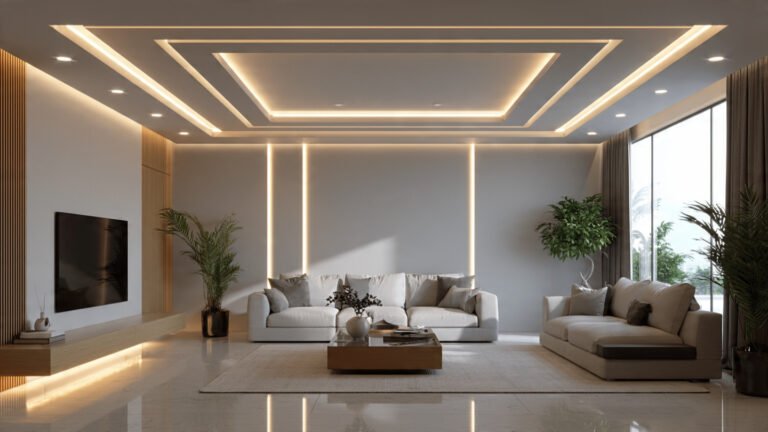
13 Stunning Beam False Ceiling Design Ideas to Elevate Every Room With Style
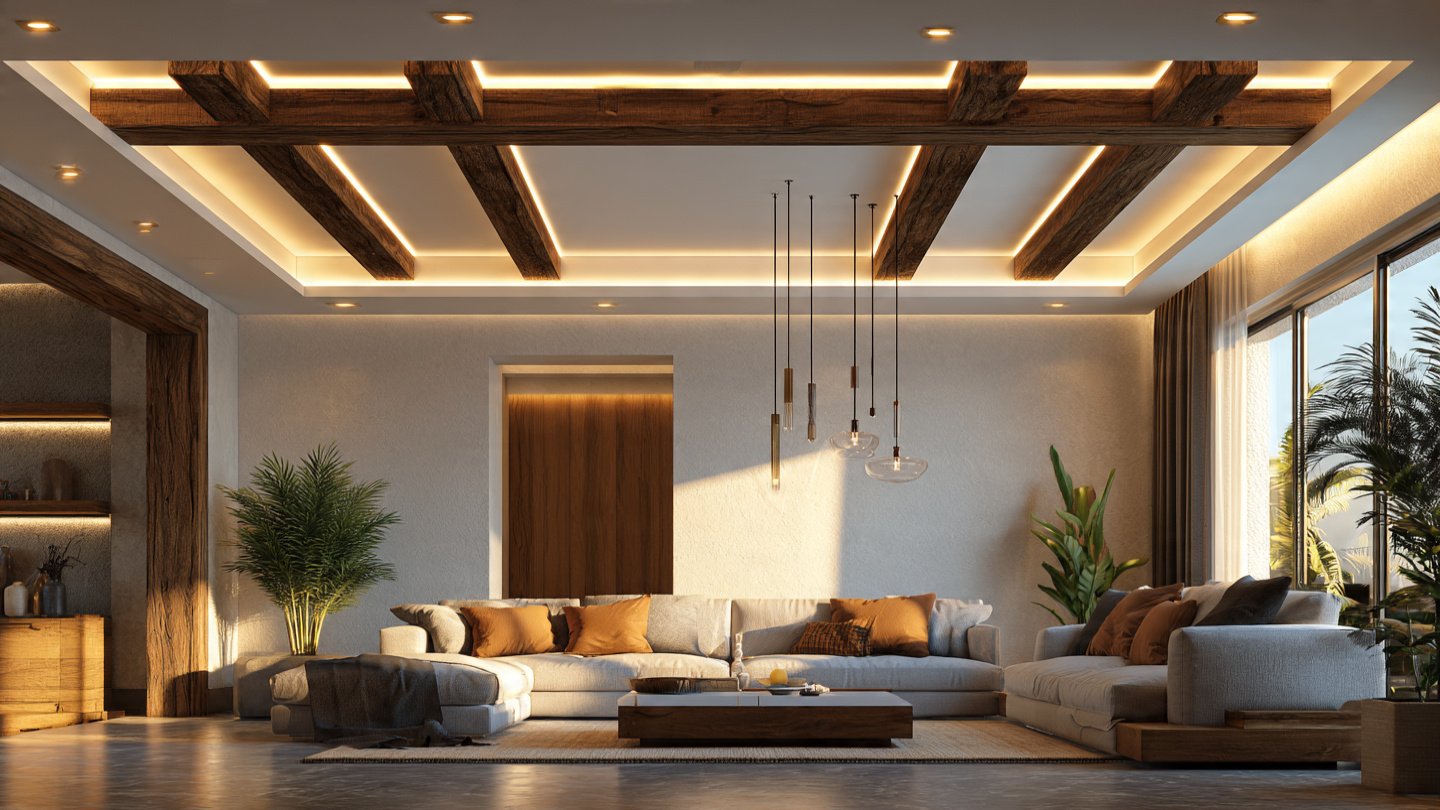
A beam false ceiling design is one of the most timeless and architecturally rich ways to add depth, warmth, and genuine character to any interior — transforming a flat overhead plane into the room’s most defining and admired feature.
From rustic exposed timber to sleek painted geometric grids, these beam false ceiling design ideas will help you find the perfect style for your space, your taste, and your vision.
Design Principles That Make Every Beam False Ceiling Exceptional
A beam false ceiling design rewards careful planning far more than any other ceiling treatment. These principles will help you get every proportion, spacing, and finish decision exactly right from the very beginning.
- Scale Beams to the Room: Deep, wide beams suit large open-plan spaces; slim, closely spaced beams work for modest rooms — a beam false ceiling design where proportion is misjudged will always feel either overwhelmed or underwhelming.
- Choose Finish Before Colour: Whether you choose raw timber, painted MDF, or PVC wrap, the surface finish of your beam false ceiling design determines its entire tonal relationship with the walls and furniture below it.
- Run Beams in One Direction First: A single-direction beam run reads as calm and directional; a crossed grid reads as formal and structured — decide which energy your room needs before committing to a beam false ceiling design layout.
- Integrate Lighting Intentionally: Recessed spotlights between beams, LED strips along beam undersides, and pendants hung at intersections are the three most effective lighting strategies for any beam false ceiling design that needs to work after dark.
- Respect the Ceiling Height: In rooms below nine feet, choose slim, low-profile beams in light tones — a heavy beam false ceiling design on a low ceiling will compress the room rather than enrich it.
- Contrast or Complement the Walls: Dark beams on white ceilings create drama; white beams on white ceilings create subtle architectural texture — both are valid beam false ceiling design strategies, but the choice must be made deliberately, not accidentally.
- Consider the Whole Room Axis: Beams running parallel to the room’s longest wall make a space feel wider; beams running perpendicular make it feel longer — a beam false ceiling design is always also a spatial design decision with measurable effect on how the room feels.
- Use Quality Materials at the Visible Edge: The underside and both side faces of each beam are always visible — the beam false ceiling design is only as convincing as the quality of the material, joint, and finish at precisely these three surfaces.
1. Rustic Timber Warmth — Natural Beam False Ceiling Design for a Cosy Living Room
Imagine rough-sawn timber beams in warm oak or pine running the full length of a living room ceiling — a beam false ceiling design that fills the overhead plane with the unhurried, deeply human warmth of natural grain, knot, and honest wood character.
You’ll find this beam false ceiling design transforms even a newly built room into one that feels genuinely lived in — a space that seems to carry memory and story long before a single piece of furniture has been arranged beneath it.
2. Painted Grid Geometry — Modern Beam False Ceiling Design for Clean Interiors
Picture slim MDF beams painted in the same tone as the ceiling above — a tonal beam false ceiling design that adds architectural depth through shadow and geometry rather than material contrast, sophisticated in its restraint and endlessly versatile in application.
This monochromatic beam false ceiling design suits contemporary apartments, minimalist living spaces, and any room where the architecture should be felt quietly rather than announced with the confident volume of contrasting colour or visible natural grain.
3. Dark Walnut Beams — Rich Beam False Ceiling Design for Dramatic Interiors
Discover the commanding depth of dark walnut or smoked oak beams against a white or pale grey ceiling — a beam false ceiling design of maximum tonal contrast that makes the overhead architecture of any room feel intentional, weighty, and genuinely impossible to overlook.
Dark-stained beams in this beam false ceiling design draw the eye upward with quiet authority, making the ceiling the first thing visitors register and remember — a design decision that pays visual dividends across every hour the room is occupied and admired.
4. White on White — Minimal Beam False Ceiling Design With Subtle Architectural Elegance
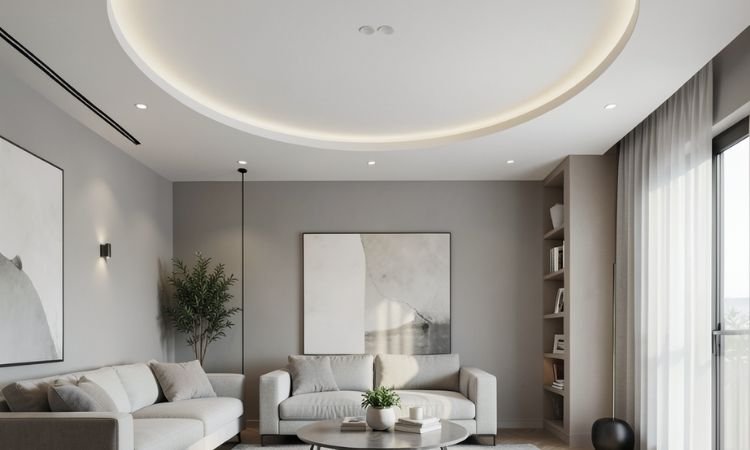
Consider a beam false ceiling design where every element — beams, ceiling field, and cornice — is finished in the same pure or warm white, creating depth through shadow alone rather than through any contrast of material, tone, or applied colour.
The white-on-white beam false ceiling design is especially effective in period properties and coastal homes where lightness, space, and a quiet sense of calm are more important design priorities than visual drama or decorative statement of any kind.
5. Coffered Beam Grid — Classic Beam False Ceiling Design for Grand Living Rooms
Anchor the room in architectural history with a full coffered beam false ceiling design — a grid of crossing beams forming deep recessed panels that give any living or dining room the formal grandeur of a country house library or a heritage boardroom.
The coffered beam false ceiling design is most rewarding in rooms with ceilings of ten feet or above, where the depth of each recess and the width of each beam can be scaled generously enough to read with their full, intended architectural authority.
6. Tray and Beam Hybrid — Layered Beam False Ceiling Design for Contemporary Homes
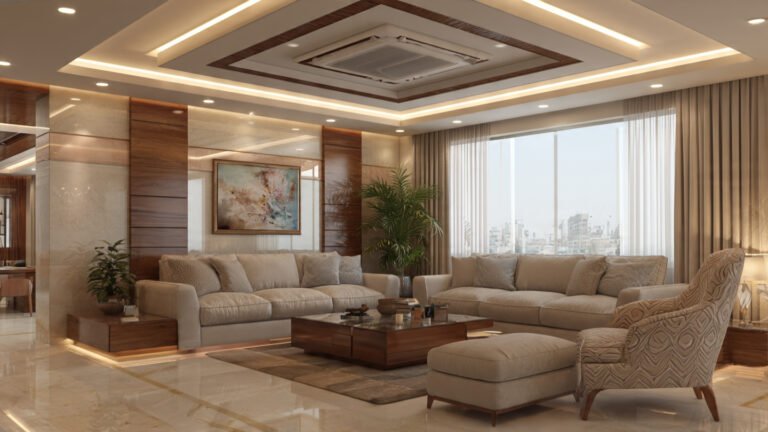
Layer a central tray ceiling recess with perimeter beams running inward from each wall — a beam false ceiling design that combines the clean modern geometry of a tray detail with the warmth and texture of traditional beam architecture in one resolved composition.
Cove lighting within the tray and downlights between the beams give this beam false ceiling design a fully layered lighting strategy — warm ambient from above, precise task light from between — that makes the ceiling perform beautifully at every hour of the day.
7. Herringbone Beam Pattern — Patterned Beam False Ceiling Design With Visual Energy
Build a ceiling of slim beams arranged in a herringbone chevron — a patterned beam false ceiling design where the diagonal rhythm of the repeating V-shape fills the overhead plane with directional energy, movement, and a crafted complexity that rewards close and repeated attention.
The herringbone beam false ceiling design suits dining rooms, home offices, and statement bedrooms where an unconventional ceiling pattern signals both confidence and taste — a room where the person living in it clearly chose the bolder, more interesting option without hesitation or apology.
8. Floating Beam Lights — Illuminated Beam False Ceiling Design for Ambient Rooms
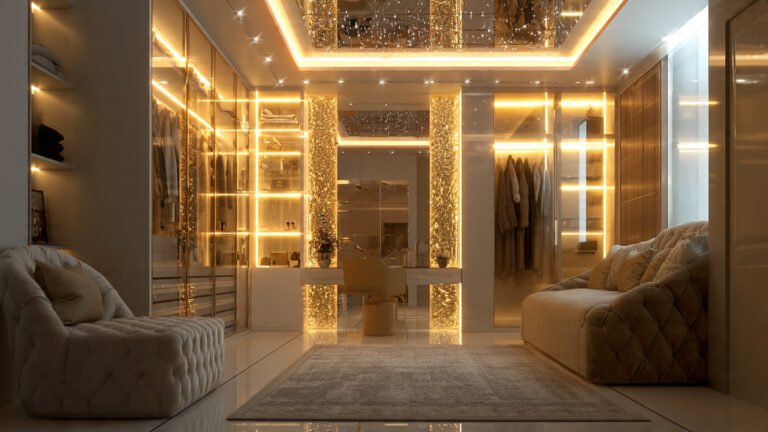
Bring warm LED strip lighting to the underside of each beam — a beam false ceiling design where the ceiling glows from below, casting the beam faces in warm, soft light and creating an overhead atmosphere of extraordinary intimacy for any evening room.
The illuminated beam false ceiling design removes the need for additional table or floor lamps in most living and dining rooms, placing all the ambient warmth precisely where it has the most visual and emotional impact — suspended just above every conversation in the room.
9. Farmhouse Distressed Style — Rustic Beam False Ceiling Design for Country Homes
Transform the ceiling with hand-distressed, whitewashed, or wire-brushed timber beams — a beam false ceiling design that carries the relaxed, storied warmth of a French farmhouse or an American barn conversion into any home regardless of its age or original architecture.
Distressed finishes in this beam false ceiling design are particularly forgiving of surface imperfections — slight variation in tone, visible brush strokes, and uneven weathering all adding to the authenticity of a look that is defined by beautiful, deliberate imperfection.
10. Dark Ceiling Contrast — Bold Beam False Ceiling Design With Maximum Visual Impact
Frame dark-painted beams against a ceiling field painted in the same deep tone — charcoal, navy, or forest green — a beam false ceiling design that feels dramatic, enveloping, and completely committed to the architectural idea it is expressing without compromise or hesitation.
The dark-ceiling beam false ceiling design is most powerful in rooms with generous natural light, where the darkness overhead creates a sense of shelter and enclosure that makes the daylight entering through windows feel even more precious and luminous than it truly is.
11. Industrial Beam Mix — Raw Beam False Ceiling Design for Modern Loft Spaces
Explore a beam false ceiling design that pairs painted steel or iron-look beams with raw concrete or dark plaster between — a hybrid aesthetic that sits at the intersection of industrial loft and refined residential, hard-edged in structure but warm in overall atmosphere.
The industrial beam false ceiling design suits converted apartments, ground-floor extensions, and any open-plan space where the architectural language of the exterior — brick, concrete, structural steel — should flow naturally and without interruption through the interior ceiling above.
12. Symmetrical Box Grid — Structured Beam False Ceiling Design for Formal Dining Rooms
Shape a perfectly symmetrical box-beam grid — each square or rectangular coffered panel of equal dimension — for a beam false ceiling design of formal precision that centres a dining room around its table and gives every meal beneath it a sense of quiet occasion.
The symmetrical beam false ceiling design rewards the effort of precise installation with a ceiling that reads as deeply resolved — the kind of architectural detail that visiting guests notice first and remember longest as the single most considered element in the entire room.
13. Warm Oak Finish — Scandinavian Beam False Ceiling Design for Calm Interiors
Ground the room in pale, lightly oiled oak beams evenly spaced against a white ceiling — a Scandinavian beam false ceiling design of quiet beauty that is simultaneously warm and minimal, honest in material and entirely calm in its visual effect on the room below.
The Scandinavian beam false ceiling design suits bedrooms, reading rooms, and any space where the primary design goal is a sense of restorative peace — a ceiling that asks nothing demanding of the eye and gives back, generously, a quality of calm that the room genuinely needs.
Frequently Asked Questions
Q. What materials are best for a beam false ceiling design?
Ans. Timber, MDF, PVC, and plaster are the most popular choices for a beam false ceiling design, each offering different levels of warmth, durability, weight, and design flexibility.
Q. How do I integrate lighting into a beam false ceiling design?
Ans. Recessed spotlights between beams, LED strips along beam undersides, and pendants at intersections are the most effective lighting solutions for any beam false ceiling design at any budget level.
Q. Can a beam false ceiling design work in a room with a low ceiling?
Ans. Yes — slim, lightweight beams in a light colour palette make a beam false ceiling design work beautifully even in rooms with standard or modest ceiling heights without any sense of compression.
Conclusion
A beam false ceiling design is far more than a decorative choice — it is a structural statement that gives every room a sense of permanence, craft, and architectural character that a flat painted ceiling simply cannot provide.
Choose your beam style, finish, and spacing with clear intention, and let the ceiling above you become the room’s most admired and most character-defining feature.