Long Narrow Hallway Ideas That Make Boring Passages Interesting
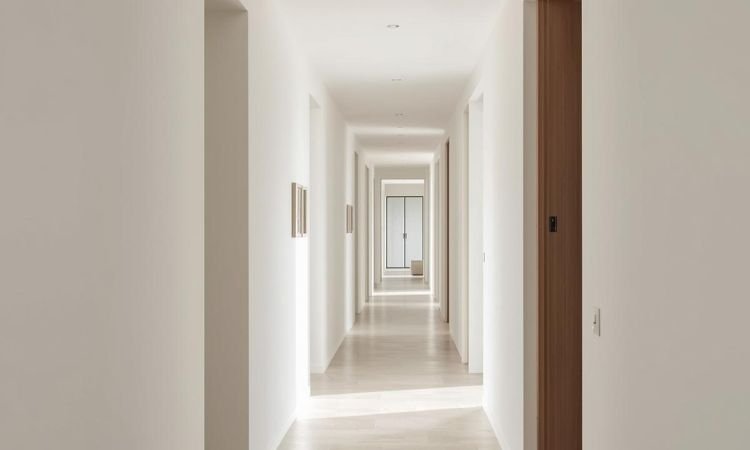
Your hallway’s just a boring tunnel connecting rooms that nobody notices or appreciates.
The long narrow space feels like wasted square footage—too tight for furniture, too bland to look at, and completely forgettable. You walk through it twenty times daily without ever thinking it could actually contribute to your home’s design.
I’m covering 11 creative approaches from gallery walls and runner rugs to lighting tricks and architectural details. Lets start!
Why Hallway Design Deserves Attention
Frequent Visibility Matters: You pass through hallways constantly making them high-impact spaces despite transitional nature. Daily exposure means design quality affects satisfaction more than occasional-use rooms.
First Impressions Count: Entry hallways shape initial home perceptions for guests creating immediate aesthetic judgments. Thoughtful design communicates care and style from the start.
Wasted Space Gets Reclaimed: Empty hallways represent unused square footage that smart design converts to functional or beautiful space. Strategic additions maximize home’s usable area without construction.
Property Value Increases: Well-designed hallways make homes feel more finished and valuable during showings. Professional-looking passages suggest overall home quality and maintenance.
Long Narrow Hallway Ideas That Make Boring Passages Interesting
Transform dull passages with these long narrow hallway ideas featuring space-enhancing strategies.
Linear Gallery Wall
Install artwork in linear horizontal arrangement down hallway length creating visual interest throughout passage. The art progression gives eyes something following reducing tunnel effect. It’s like museum corridors where art defines experience.
Use matching frames maintaining cohesion despite varying art. Space pieces evenly creating rhythm. This long narrow hallway idea adds personality while utilizing available wall space.
Runner Rug With Pattern
Lay patterned runner rugs drawing eyes down hallway length while adding color and softness. The linear textile warms hard floors while creating visual flow. It’s like paths where runners guide movement.
Choose patterns running lengthwise—stripes, geometric repeats. Avoid widthwise patterns emphasizing narrowness. This long narrow hallway idea adds comfort and style simultaneously.
Horizontal Striped Paint
Paint horizontal stripes along hallway walls making spaces appear wider than actual dimensions. The lateral lines trick eyes into perceiving more width. It’s like optical illusions where pattern changes perception.
Use subtle tone-on-tone stripes or bolder contrasts depending on style. Keep stripes at eye level maximum impact. This long narrow hallway idea expands perceived width through simple paint.
Overhead Statement Lighting
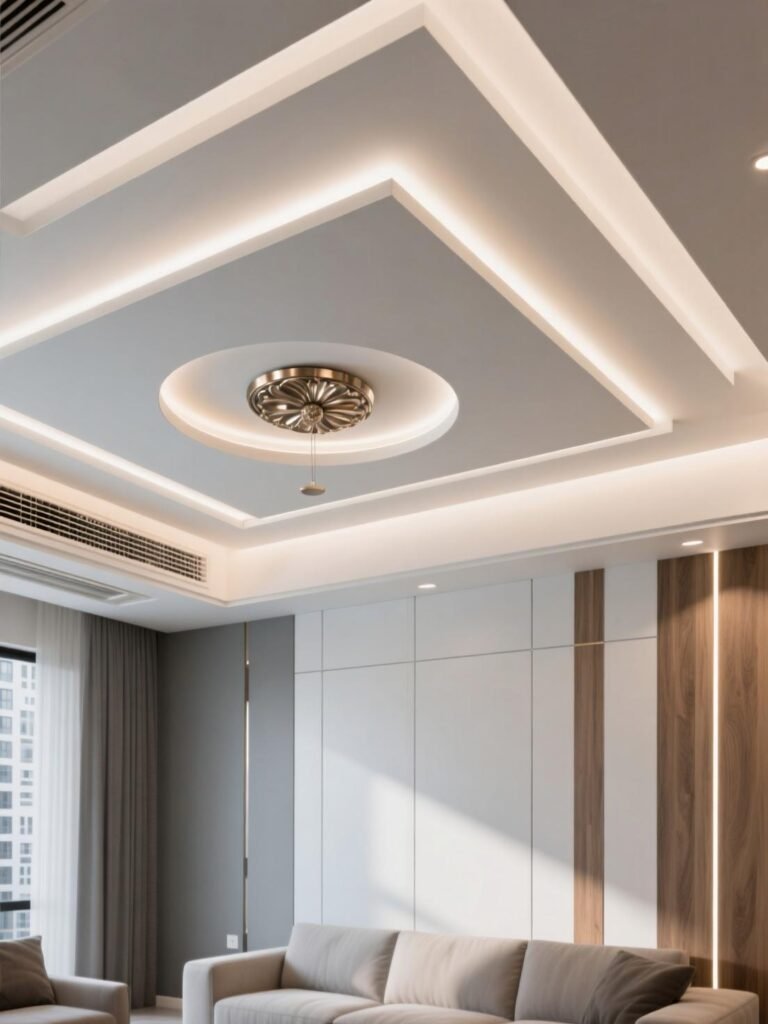
Install dramatic linear pendant lights or multiple fixtures creating ceiling interest drawing attention upward. The elevated focus prevents fixation on narrow walls. It’s like chandeliers where overhead becomes feature.
Use modern linear fixtures or vintage pendants depending on style. Space evenly down hallway length. This long narrow hallway idea adds sophistication through lighting design.
Floating Shelf Display
Mount narrow floating shelves creating display opportunities without consuming floor space. The shallow shelving adds function while keeping hallways passable. It’s like ledges where vertical storage works.
Display small plants, photos, or decorative objects. Keep depths under 8 inches preventing obstruction. This long narrow hallway idea adds personality without blocking traffic.
Wainscoting Application
Add wainscoting or board-and-batten creating architectural interest on lower walls. The dimensional detail breaks up plain surfaces adding traditional elegance. It’s like trim work where detail elevates.
Paint different colors above and below for added interest. Install 32-42 inches high. This long narrow hallway idea brings architectural character to plain passages.
Mirror Placement Strategy
Hang large mirrors reflecting light and creating depth illusion making hallways feel more spacious. The reflective surfaces double perceived space optically. It’s like windows where mirrors open walls.
Position mirrors opposite windows or light sources maximizing reflection. Use oversized mirrors for maximum impact. This long narrow hallway idea visually expands tight spaces.
Accent Wall At End
Paint hallway end wall in bold color or pattern creating focal point drawing eyes forward. The destination emphasis reduces tunnel feeling. It’s like targets where endpoints provide purpose.
Choose colors complementing but contrasting with hallway walls. The visual pull makes length feel intentional. This long narrow hallway idea transforms awkward lengths into design features.
Consistent Flooring Pattern
Run flooring planks lengthwise creating continuous lines emphasizing hallway flow. The directional installation guides movement while creating visual length. It’s like bowling lanes where lines direct attention.
Use light colored flooring expanding perceived space. Avoid widthwise patterns making hallways feel shorter. This long narrow hallway idea maximizes linear flow.
Built-In Bench Nook
Create small built-in bench alcoves where hallway widens slightly adding functional seating. The integrated furniture provides resting spots without protruding awkwardly. It’s like window seats where architecture accommodates function.
Add hooks above benches for coats or bags. Include storage underneath. This long narrow hallway idea adds utility where space allows.
Vertical Shiplap Or Paneling
Install vertical wood paneling drawing eyes upward making ceilings feel higher. The vertical lines counteract narrowness through height emphasis. It’s like pinstripes where direction changes perception.
Paint white or light colors maintaining brightness. Run floor to ceiling maximum effect. This long narrow hallway idea adds architectural detail while creating height illusion.
Common Hallway Design Mistakes And Solutions
Painting Walls Too Dark
Dark colors in narrow spaces create cave-like oppressive feelings making hallways feel tighter. Solution: Use light neutrals—whites, creams, soft grays—reflecting light and expanding perceived width.
Cluttering With Furniture
Adding console tables or decor that narrows passages creates obstacles and frustration. Solution: Keep hallways clear or use only slim wall-mounted solutions not protruding beyond 8 inches.
Poor Lighting Choices
Single overhead fixtures create harsh shadows emphasizing narrowness and darkness. Solution: Layer lighting with multiple sources—overhead plus wall sconces—creating even illumination throughout.
Widthwise Visual Elements
Horizontal stripes, wide patterns, or furniture emphasizing width make hallways feel more cramped. Solution: Use vertical or lengthwise elements drawing eyes along or upward rather than across.
Neglecting Ceiling And Floor
Focusing only on walls ignores opportunities using fifth wall and floor for design interest. Solution: Add ceiling color, interesting light fixtures, or directional flooring patterns maximizing all surfaces.
Frequently Asked Questions About Long Narrow Hallways
How Do You Make Narrow Hallways Look Wider?
Paint walls light colors—white, cream, pale gray—reflecting maximum light. Add mirrors reflecting light and creating depth illusion. Use horizontal visual elements like lengthwise runners or art arrangements drawing eyes along rather than across width.
Keep hallways clutter-free avoiding furniture or objects narrowing passages further. Light colors, mirrors, and clear passages combine creating maximum width perception.
What’s The Minimum Hallway Width?
Building codes typically require 36 inches minimum for residential hallways allowing wheelchair accessibility. Comfortable hallways measure 42-48 inches accommodating two people passing. Narrower than 36 inches feels cramped and may violate codes.
Measure your hallway width determining realistic design options. Very narrow hallways under 40 inches need especially careful design avoiding anything protruding.
Should You Add Storage In Hallways?
Yes if space allows—built-in closets, slim console tables, or wall-mounted cabinets add valuable storage. Keep additions slim (under 12 inches deep) maintaining adequate passage width. Shallow storage beats deep pieces blocking traffic.
Hallways represent unused square footage perfect for linen closets, coat storage, or utility spaces when designed not obstructing movement.
Transforming Your Hallway Passage
Long narrow hallway ideas prove that transitional spaces deserve design attention creating interest and function.
Choose light colors and strategic lighting expanding perceived width, add personality through art or architectural details, and maintain clear passages for comfortable traffic flow. Avoid dark colors or clutter making narrow spaces feel tighter.
What’s your biggest hallway challenge? Share your narrow space frustrations below!