Snacks For Chickens That Keep Your Flock Happy and Healthy

Your chickens are staring at you through the fence like you’re holding out on them. You know they need more than just layer feed, but every time you Google what treats are okay, you get conflicting information. Some people say feed them everything, others act like one wrong snack will destroy your entire flock.
Chickens are pretty hardy and can eat way more variety than you’d think. The right snacks for chickens to eat keep them entertained, boost nutrition, and honestly just make chicken keeping more fun. But there are some things that’ll make them sick, and knowing the difference matters.
What trips people up is overthinking it. Your chickens don’t need fancy store-bought treats costing $15 a bag. Most of the best chicken snacks are things you already have—kitchen scraps, garden extras, stuff you’d normally toss. The trick is knowing what’s safe, when to feed what, and how much is too much.
Walking through 9 snacks for chickens that work year-round, plus what changes between seasons. You’ll see which treats pack the most nutrition, what gets chickens genuinely excited, how to avoid the toxic stuff, and why timing your treats actually matters for egg production and health.
What Makes Chicken Snacks Actually Work
- Treats Stay Under 10% of Diet: Snacks supplement balanced feed rather than replacing it. It’s like human desserts where treats are extras, not meals. The main nutrition still comes from quality layer feed ensuring proper egg production.
- Variety Prevents Boredom: Chickens get excited about different foods rather than same treat repeatedly. It’s like kids with snacks where novelty matters. The rotation keeps foraging interesting and reduces aggression from boredom.
- Nutritional Value Differs by Season: Summer needs cooling hydrating treats while winter requires high protein snacks for chickens and calorie-dense options. It’s like human eating where seasonal needs change. The strategic feeding supports health through different conditions.
- Timing Affects Behavior: Morning treats encourage egg laying while evening snacks promote roosting. It’s like meal timing where when you feed affects outcomes. The scheduled treating creates routines chickens anticipate and follow.
Snacks For Chickens
Keep your flock happy and healthy with these chicken snack ideas that provide nutrition, entertainment, and variety.
Mealworms and Dried Insects
Feed dried or live mealworms providing protein boost chickens absolutely love. The wiggling live worms create entertainment while high protein snacks for chickens support feather growth and egg production. I’ve never met a chicken that doesn’t lose their mind over mealworms.
Toss handful per bird 2-3 times weekly. Live mealworms cost $15-25 per pound, dried versions run $10-20. This works great as snacks for chickens in winter when protein needs increase for staying warm. Watch chickens race across yard competing for worms—it’s honestly hilarious.
Fresh Fruits and Berries
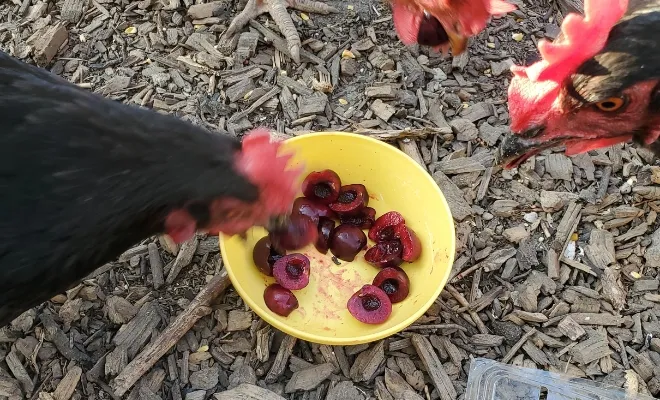
Offer watermelon, berries, apples, or grapes providing hydration and vitamins. The juicy fruits work especially well as snacks for chickens in summer preventing heat stress. Chickens peck watermelon rinds for hours creating natural entertainment.
Cut large fruits into chunks preventing choking. Remove apple seeds containing trace cyanide. Berries can be fed whole. Free from your garden or $3-8 at grocery store. The natural sugars provide energy while water content keeps birds hydrated during hot months.
Scratch Grains Mix
Scatter cracked corn, wheat, and oat mixture encouraging natural foraging behavior. The grain blend provides carbohydrates and entertainment as chickens scratch hunting every piece. This classic treat is basically chickens favorite snacks across all breeds.
Feed late afternoon or evening—scratch grains fill crops before roosting keeping chickens warm overnight. Especially important as snacks for chickens in winter providing calories for heat generation. Bags cost $12-20 for 25 pounds lasting months. The foraging activity reduces boredom and aggression.
Vegetable Scraps and Greens
Share kitchen scraps—lettuce, kale, cucumber, squash, pumpkin—giving chickens variety and reducing food waste. The fresh vegetables provide vitamins while the pecking activity entertains for hours. These snacks to feed chickens cost nothing since you’re using waste.
Hang whole cabbage or lettuce creating “chicken piñata” they’ll work on all day. Toss chopped vegetables or let chickens tear apart whole pieces. Avoid onions, raw potatoes, and avocado which are toxic. Free snacks for my chickens from kitchen that also cut waste—win-win.
Cooked Eggs and Shells
Feed scrambled or hard-boiled eggs providing calcium and protein. Yeah, it seems weird feeding chickens their own eggs, but the calcium supports strong eggshells while protein boosts health. Crush and return eggshells to flock adding calcium to diet.
Cook eggs thoroughly preventing chickens learning eggs are food and eating their own. Mix crushed shells into feed or offer separately. Free using your own eggs. The recycled calcium is especially valuable for older hens whose shells thin naturally.
Sunflower Seeds and Nuts
Offer black oil sunflower seeds providing healthy fats and protein. The seeds support feather health and egg production while chickens love cracking shells. These work great year-round but especially as snacks for chickens in winter when extra calories help.
Feed in moderation—high fat content means limiting to handful per bird daily. Raw unsalted nuts work too—almonds, peanuts, walnuts. Bags cost $15-25 for 25 pounds. The fat content helps chickens maintain body condition during cold weather or molting.
Yogurt and Cottage Cheese
Give plain yogurt or cottage cheese providing probiotics and protein. The creamy texture creates mess but chickens go crazy for dairy. I mean, watching chickens discover yogurt for first time is entertainment itself.
Offer small amounts—tablespoon per bird maximum. Too much causes digestive issues. Room temperature works better than cold from fridge. Skip flavored or sweetened versions. This provides beneficial bacteria supporting gut health while giving high protein snacks for chickens they truly love.
Sprouted Grains and Fodder
Grow sprouted wheat, barley, or oats creating nutritious fresh greens year-round. The sprouted grains pack more nutrition than dry versions while providing enrichment. This solves fresh green shortage during winter months naturally.
Soak grains 8-12 hours, drain, rinse daily until 4-6 inch sprouts develop (3-5 days). Feed entire mat of sprouts and roots. Initial grain costs $15-20 for 50-pound bag lasting months. The fresh greens provide vitamins even when grass isn’t available.
Garden Pest Collection
Share slugs, beetles, grubs, and bugs from garden giving chickens natural protein-rich treats. The live hunting creates enrichment while helping your garden. These fun snacks for chickens cost nothing and solve two problems simultaneously.
Let chickens free range in garden after harvest, or collect pests in container feeding to confined birds. Skip sprayed or poisoned insects. Free pest control doubles as chicken entertainment. The natural protein supports health better than processed treats.
Feeding Treats Successfully
- Scatter Rather Than Pile: Tossing treats forces foraging behavior rather than aggressive crowding. It’s like spreading out resources where distribution prevents fighting. The scattered feeding keeps all birds moving and active.
- Offer Variety Rotating Treats: Different snacks daily prevent boredom while ensuring balanced nutrition. It’s like meal planning where variety matters. The rotation keeps chickens interested and covers nutritional gaps.
- Time Treats Strategically: Morning protein supports egg laying, evening carbs fill crops for overnight warmth. It’s like athletic nutrition where timing affects performance. The scheduled feeding optimizes health and production.
- Watch for Favorite Reactions: Notice which treats create most excitement then use those for training or bonding. It’s like learning preferences where favorites become tools. The observation helps you connect with individual birds.
Frequently Asked Questions About Chicken Snacks
What Snacks Are Actually Dangerous?
Never feed avocado (skin, pit, or flesh), chocolate, raw potatoes, raw beans, moldy food, or anything salty or sugary. Onions and garlic in large amounts cause issues. Apple seeds, cherry pits, and stone fruit pits contain cyanide—remove before feeding.
Processed human junk food—chips, cookies, candy—lacks nutrition and causes problems. When in doubt, research first. The toxic foods can kill chickens quickly or cause long-term health issues. Better safe than sorry with questionable items.
How Much Is Too Much?
Keep all treats under 10% of daily food intake. If chickens fill up on treats, they won’t eat enough layer feed getting balanced nutrition. For 5 chickens, that’s roughly 1-2 cups treats total daily depending on feed consumption.
You’ll know it’s too much if egg production drops, shells thin, or chickens get picky about feed. The treat moderation ensures base nutrition stays solid. Think of treats like dessert—enjoyable but not meal replacement.
Do Chickens and Ducks Eat Same Treats?
Most snacks for chickens and ducks overlap—vegetables, fruits, grains, insects all work for both. Ducks need higher niacin though, so add brewer’s yeast to treats or offer peas frequently. Ducks make bigger mess with wet foods since they dunk everything in water.
The main difference is texture preference—ducks love sloppy wet foods while chickens prefer drier treats. Offer variety and each species picks what suits them. Mixed flocks handle shared treats fine with minor adjustments.
What’s Best for Hot Weather?
Cool snacks for chickens preventing heat stress include frozen fruit, watermelon, cucumber, chilled yogurt, or ice blocks with treats frozen inside. The cold treats lower body temperature while hydrating. Avoid heavy protein or carb-heavy treats generating metabolic heat.
Feed cooling treats during hottest part of day. Add ice to water, create shady areas, and offer high-water-content foods. The strategic cooling helps chickens survive extreme summer temperatures safely.
Can You Make Homemade Treat Blocks?
Mix scratch grains, seeds, dried fruit, and mealworms with gelatin creating solid blocks chickens peck apart. Combine ingredients, add dissolved gelatin, pour into molds, refrigerate until firm. These last weeks providing gradual entertainment.
Recipe costs $5-10 making multiple blocks. The DIY approach lets you control ingredients avoiding unnecessary fillers in commercial treats. Kids enjoy helping make these—it’s like craft project producing functional chicken entertainment.
Treating Your Flock Right
Snacks for chickens prove that keeping happy healthy flocks doesn’t require expensive specialty products. The thoughtful variety using kitchen scraps, garden extras, and occasional purchased treats creates enrichment while supporting nutrition. And honestly, watching chickens lose their minds over treat time never gets old.
Start by introducing one or two new treats weekly observing reactions. Learn your flock’s preferences and adjust accordingly. Keep treats supplemental to quality feed maintaining egg production and health. The balanced approach creates thriving chickens that actually look forward to seeing you.
What treats does your flock go absolutely crazy for? Tell me your chickens’ favorites—I want to hear what gets your birds most excited!