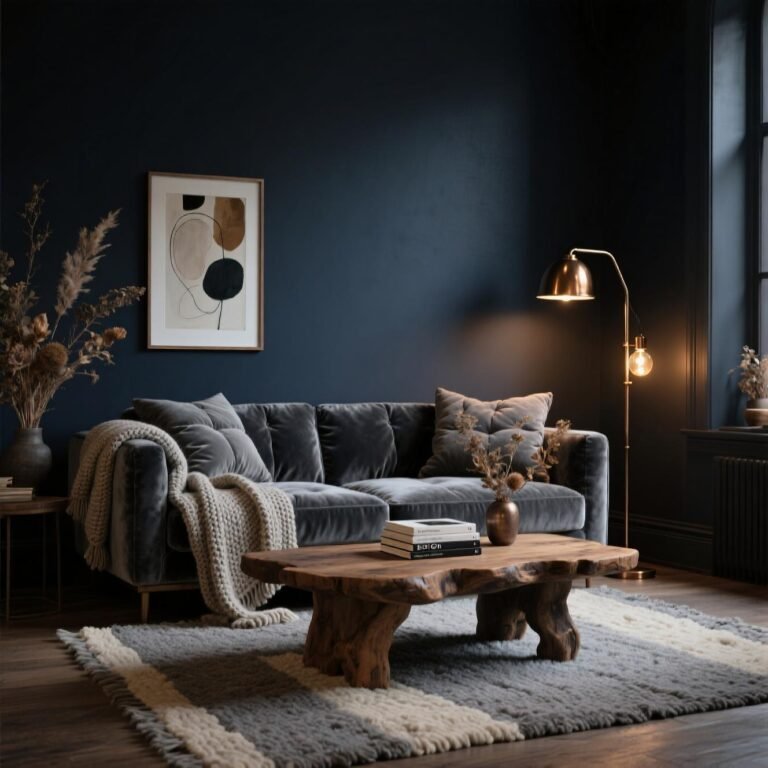
Small Living Room Paint Color Ideas That Make Spaces Feel Bigger
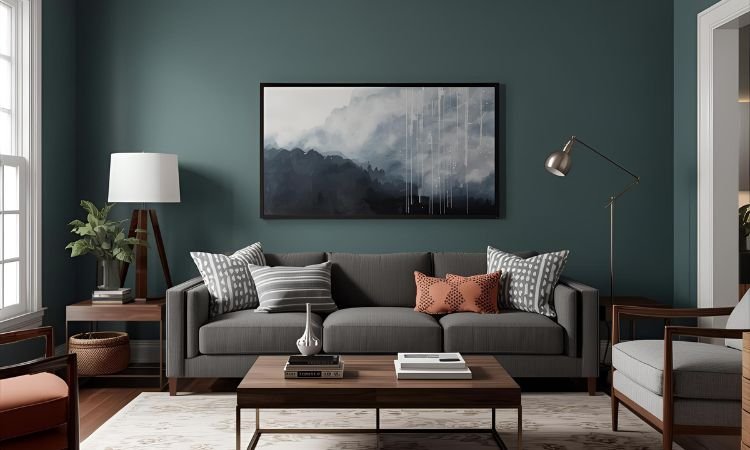
You’ve heard it a million times—paint small rooms white to make them feel larger. But here’s the truth: not everyone wants to live in an all-white box, and honestly, there are way more interesting ways to make small living rooms feel spacious. The right paint color can actually expand your space visually while adding personality that pure white just can’t deliver.
Small living room paint color ideas use strategic color choices that enhance natural light, create depth, and trick the eye into perceiving more space. The smart selections work with your room’s specific conditions—natural light, ceiling height, furniture—rather than following blanket rules. It’s choosing colors that genuinely make your specific small living room feel better.
We’re covering 9 small living room paint color ideas that go beyond basic white. These choices consider light levels, desired mood, and actual science behind how colors affect spatial perception. And the best part? Most of these options add way more character than builder-grade beige.
What Makes Small Living Room Paint Colors Work
- Light Reflection Expands Space: Colors that bounce light around make rooms feel airier and more open. It’s maximizing available light whether natural or artificial. The reflective quality creates brightness that reads as spaciousness.
- Cool Tones Recede Visually: Blues, greens, and grays make walls appear to step back creating depth perception. It’s using color psychology affecting how brains interpret distance. The cool palette tricks eyes into seeing more space.
- Monochromatic Schemes Blur Boundaries: Using similar tones on walls, trim, and ceiling eliminates visual breaks making spaces feel continuous. It’s removing the choppy feeling multiple colors create. The unified approach expands perceived dimensions.
- Undertones Matter Enormously: The subtle hints within colors—warm or cool undertones—affect how colors interact with light and space. It’s the difference between colors that enlarge versus those that close in. The undertone awareness prevents unexpected results.
9 Small Living Room Paint Color Ideas
Transform your compact space with these small living room paint color ideas that enhance natural light and create visual expansion.
Soft Warm White
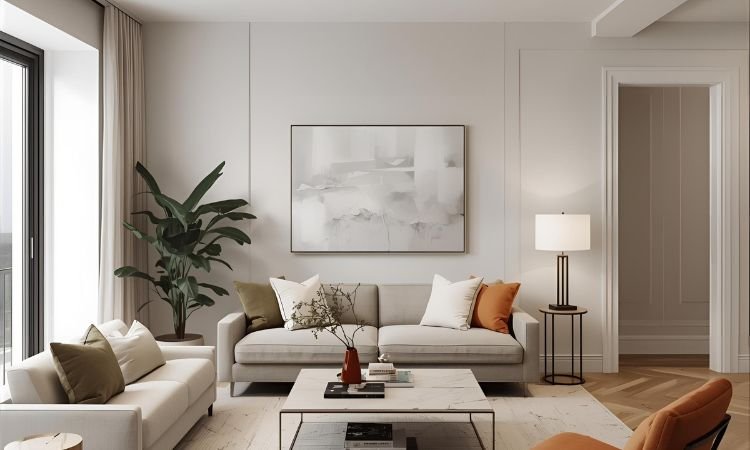
Choose creamy whites with warm undertones avoiding stark bright whites that feel cold and sterile. The gentle warmth creates inviting brightness without harsh glare. It’s white that feels cozy instead of clinical.
Try Benjamin Moore Swiss Coffee or Sherwin Williams Alabaster. Pair with white trim keeping everything light and cohesive. This small living room paint color idea costs standard paint prices creating classic brightness with warmth.
Light Sage Green
Paint walls in pale sage or soft green bringing nature inside while maintaining airiness. The cool tone recedes visually while the organic color adds calm. It’s color that expands space and soothes simultaneously.
Choose greens with gray undertones avoiding yellow-greens that can feel dingy. Test samples in your specific light. This small living room paint color idea creates peaceful spaces that feel larger through cool color psychology.
Pale Blue Gray
Use soft blue-gray creating serene atmosphere while walls appear to recede. The cool neutral adds sophistication without boldness. It’s the perfect compromise between color and neutral safety.
Try colors like Benjamin Moore Pale Smoke or Sherwin Williams Krypton. Works beautifully with white trim and natural wood. This small living room paint color idea delivers calm elegance while maximizing perceived space.
Soft Greige
Choose warm gray-beige hybrid providing neutral backdrop with more warmth than pure gray. The balanced tone works with any decor style. It’s sophisticated neutrality that feels current without being cold.
Select greige with warm undertones matching your natural light—cool light needs warmer greige and vice versa. This small living room paint color idea creates versatile foundations for any furniture and accent colors.
Pale Blush Pink
Paint in very soft blush creating unexpected warmth and femininity without overwhelming. The subtle color feels fresh and modern. It’s taking the risk of color while keeping it light enough to maintain spaciousness.
Choose tints that barely read as pink—almost white with just a hint of warmth. Pair with white trim and gold or brass accents. This small living room paint color idea adds personality while remaining airy.
Light Warm Gray
Use gray with warm beige undertones avoiding cold blue-grays that can feel dreary in small spaces. The warm gray provides contemporary neutrality with livability. It’s modern color that doesn’t sacrifice coziness.
Test extensively—grays shift dramatically in different lights. Choose samples that feel warm and inviting not cold and flat. This small living room paint color idea creates sophisticated backdrops for modern and traditional styles.
Soft Butter Yellow
Paint in pale buttery yellow bringing sunshine inside and making small spaces feel cheerful. The warm color reflects light beautifully creating brightness. It’s color that energizes without overwhelming through proper pale tinting.
Choose very soft yellows avoiding anything too saturated or green-leaning. Works especially well in rooms with limited natural light. This small living room paint color idea adds optimism while maintaining airiness.
Barely-There Lavender
Use extremely pale lavender creating subtle interest without boldness. The cool tone recedes while the unexpected color adds personality. It’s going beyond neutrals while keeping things light and spacious.
Choose tints that barely register as color—more white than purple. Pair with cool grays and whites. This small living room paint color idea suits bedrooms and living rooms needing calm uniqueness.
Monochromatic White on Everything
Paint walls, trim, and ceiling the same soft white eliminating visual breaks. The seamless approach makes boundaries disappear creating continuous space. It’s the ultimate expansion technique through color unity.
Choose one warm white using it everywhere with maybe just slightly different sheens—flat walls, satin trim. This small living room paint color idea maximizes spaciousness through complete color cohesion.
Making Small Living Room Paint Colors Work
- Test Samples Extensively: Paint large swatches on multiple walls living with them for several days in different lights. It’s seeing how colors actually look in your specific space before committing. The thorough testing prevents expensive mistakes.
- Consider Your Natural Light: North-facing rooms need warm colors compensating for cool light while south-facing rooms handle cool colors better. It’s matching color temperature to light conditions. The coordinated approach ensures colors look as intended.
- Paint Ceiling Same as Walls: Using identical colors on walls and ceiling eliminates visual boundaries making small rooms feel taller and more expansive. It’s removing the lid effect white ceilings create. The continuous color extends perceived dimensions.
- Use Lighter Colors on Furniture: Dark furniture against light walls creates contrast and depth but too much dark absorbs light making small spaces feel cramped. It’s balancing contrast with brightness. The thoughtful furniture choices support wall color effectiveness.
Frequently Asked Questions About Small Living Room Paint Colors
Do Small Rooms Have to Be White?
No—any light color with high light reflectivity works. Pale blues, soft greens, light grays, and warm neutrals all expand spaces effectively. The key is keeping colors light and choosing appropriate undertones for your lighting.
White is safe but not mandatory. Many colored options make small rooms feel just as spacious while adding more personality.
Should You Paint Small Rooms Dark?
Dark colors can work in small rooms if you embrace the cozy cocoon effect rather than fighting for expansiveness. The moody approach makes small spaces feel intimate rather than cramped. But it requires commitment to the aesthetic and adequate lighting.
Most people trying to maximize perceived space should stick with lighter colors. Save dark dramatic colors for larger rooms or accept small spaces feeling smaller but more atmospheric.
What About Accent Walls?
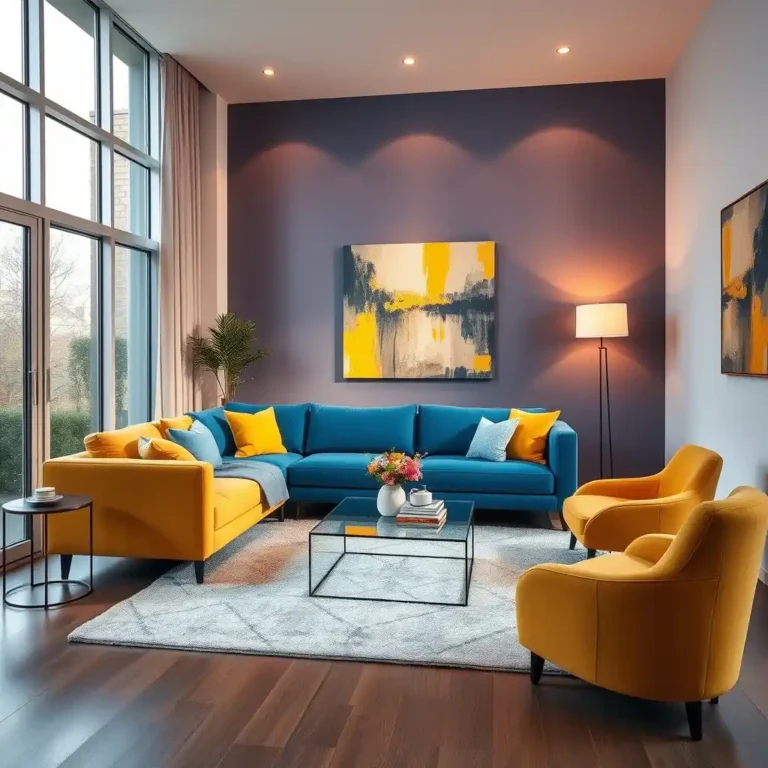
Accent walls in small rooms can work but choose carefully. Painting the wall with the most natural light or the shortest wall in a deeper shade adds depth without closing in the space. Avoid painting the longest walls dark.
Monochromatic schemes generally work better in very small spaces eliminating visual chop. The unified approach maximizes spaciousness more than accent walls.
Do Warm or Cool Colors Work Better?
Cool colors (blues, greens, cool grays) recede visually making spaces feel larger. Warm colors (yellows, warm whites, beiges) advance making spaces feel cozier. For maximum spaciousness, choose cool tones in light values.
Your room’s natural light affects this—cool north light benefits from warm paint while warm south light handles cool colors well. The balanced approach prevents colors feeling off.
Should Trim Be White?
White trim creates clean contrast defining architecture. In very small rooms, painting trim the same color as walls creates seamless flow maximizing spaciousness. Both approaches work—choose based on whether you want definition or continuity.
If keeping white trim, choose warm whites for warm wall colors and cool whites for cool wall colors. The coordinated undertones prevent clashing.
What Sheen Should You Use?
Matte or eggshell finishes work best for walls—flat enough to hide imperfections while having slight sheen reflecting some light. Satin works for trim providing cleanability and subtle reflection. Avoid flat paint in high-traffic small spaces.
The slight sheen helps bounce light around small rooms. Very glossy finishes highlight wall imperfections and create glare—use sparingly.
How Do You Test Colors?
Paint poster boards or large sections of wall with samples. View them morning, afternoon, and evening noting how light changes colors. Live with samples for at least 3-4 days before deciding. Move samples to different walls checking how light affects them.
The patient testing reveals how colors actually live in your space preventing regret after painting entire rooms.
Can You Use Multiple Colors?
In very small living rooms, stick to one wall color maintaining simplicity. In slightly larger spaces, you might use one color on most walls with a slightly deeper shade on one accent wall. The restrained approach prevents visual fragmentation.
Limit additional colors to 2-3 total including trim and ceiling. The disciplined palette maintains the cohesion small spaces need.
Choosing Your Perfect Small Space Color
Small living room paint color ideas prove that making compact spaces feel larger doesn’t require sacrificing personality for pure white walls. The strategic use of light colors with appropriate undertones, consideration of natural light conditions, and smart color placement creates living rooms that feel genuinely more spacious while reflecting your style.
Start by assessing your room’s natural light and desired atmosphere choosing colors that work with both. Test samples extensively in your specific conditions before committing. The thoughtful approach delivers paint colors that genuinely enhance your small living room making it feel larger, brighter, and more inviting.
What’s your small living room’s lighting situation—lots of natural light or pretty limited? I’m curious which color direction would work best for your specific space!