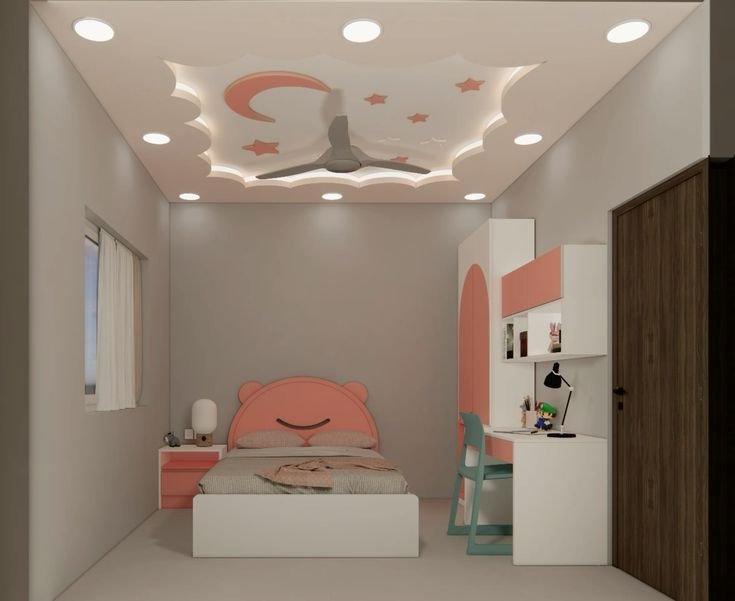
Minimal False Ceiling Design Ideas That Add Style Without Clutter
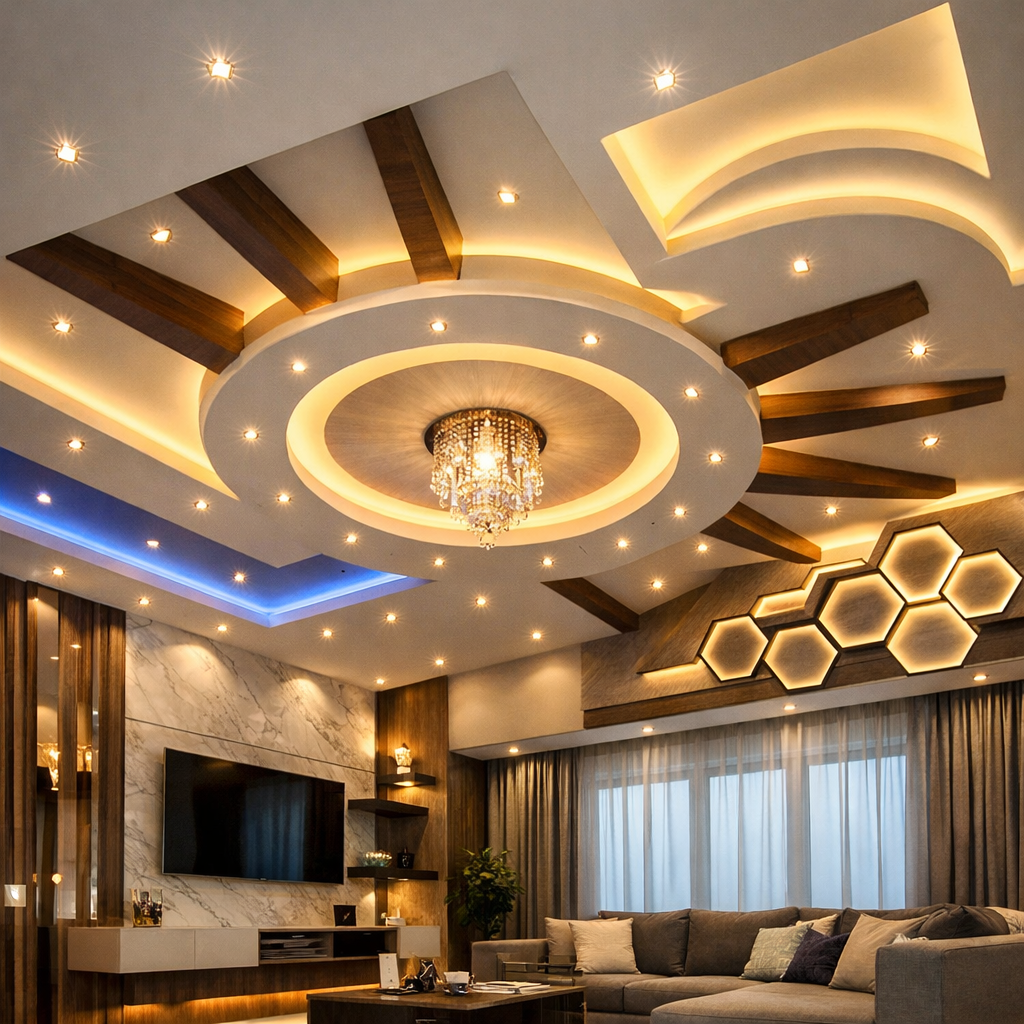
Your ceiling feels plain and boring but elaborate designs seem too busy and overwhelming.
You want adding interest overhead without creating visual chaos or making rooms feel smaller. Finding that balance between too plain and too much seems impossible when planning ceiling treatments.
Minimal false ceiling design adds architectural interest through clean simple lines and subtle details.
I’m covering 10 understated approaches from recessed designs and single-level drops to cove lighting and geometric patterns. You’ll see which minimal treatments enhance rather than dominate spaces, how to add function through lighting, and designs maintaining modern simplicity.
Why Minimal False Ceilings Work
Clean Lines Feel Contemporary: Simple geometric forms and straight edges create modern sophisticated aesthetics. Uncluttered overhead design maintains calm while adding architectural interest subtly.
Height Perception Stays Positive: Minimal designs avoid dropping ceilings excessively preserving vertical space and openness. Strategic placement enhances rather than reduces room height perception.
Lighting Integration Improves Function: Recessed areas accommodate indirect lighting creating ambient glow without visible fixtures. Hidden illumination provides atmosphere while maintaining clean appearance.
Cost Stays Reasonable: Simple designs require less material and labor than elaborate multi-level constructions. Restrained approach delivers impact affordably without excessive investment.
Minimal False Ceiling Design Ideas That Add Style Without Clutter
Create subtle ceiling interest with these minimal false ceiling design ideas featuring clean approaches.
Single Border Drop
Create simple border drops around room perimeters leaving center ceiling untouched. The frame effect adds definition without overwhelming. It’s like picture frames where edges define space.
Keep drop 6-12 inches wide and 8-12 inches deep. Install recessed lighting in border. This minimal false ceiling design adds structure subtly.
Recessed Cove Lighting
Build shallow recessed areas along ceiling edges housing LED strip lighting creating indirect glow. The hidden illumination provides ambient light without visible fixtures. It’s like halos where light appears magical.
Paint recessed areas white reflecting maximum light. Use warm LED strips. This minimal false ceiling design delivers atmosphere through lighting.
Linear Panel Design
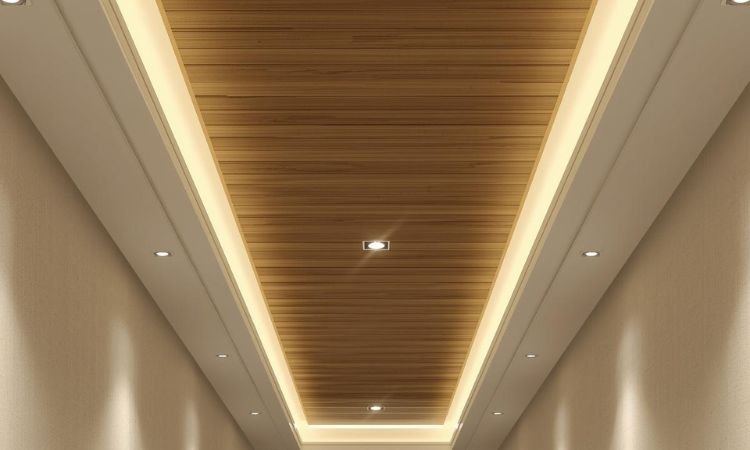
Install narrow linear panels running in single direction creating subtle ceiling pattern. The directional elements add visual interest through simplicity. It’s like stripes where lines create movement.
Use gypsum boards or wood slats spaced evenly. Paint matching ceiling color for subtlety. This minimal false ceiling design brings contemporary edge.
Flush Ceiling With Recessed Lights
Maintain completely flat ceiling installing only recessed can lights for clean modern appearance. The flush approach emphasizes simplicity and openness. It’s like blank canvases where restraint wins.
Arrange lights in grid or linear patterns. Keep fixtures minimal and uniform. This minimal false ceiling design suits ultra-minimal aesthetics.
Geometric Cutout Pattern
Create simple geometric cutouts—squares, rectangles, circles—in ceiling revealing recessed backing. The negative space patterns add interest through void rather than addition. It’s like windows overhead where openings intrigue.
Keep patterns simple and not overly busy. Backlight cutouts for drama. This minimal false ceiling design adds artistry minimally.
Beam-Effect Linear Drops
Install thin beam-like drops running parallel creating subtle three-dimensional effect. The linear elements add texture without heavy visual weight. It’s like ceiling beams refined where suggestion suffices.
Space beams evenly 18-24 inches apart. Paint same color as ceiling. This minimal false ceiling design brings architectural detail.
Single Central Recess
Create one central recessed area above dining tables or living spaces defining zones subtly. The singular focus draws attention upward purposefully. It’s like spotlights where focus concentrates.
Include pendant light or chandelier in recess. Keep proportional to furniture below. This minimal false ceiling design highlights specific areas.
Two-Level Simple Drop
Build basic two-level design with clean transition between heights avoiding complex curves or multiple levels. The straightforward approach adds dimension simply. It’s like steps where height changes clearly.
Maintain 8-10 inch difference between levels. Use straight edges only. This minimal false ceiling design creates depth without complexity.
Indirect Lighting Trough
Construct narrow trough along one or two walls housing uplighting illuminating ceiling indirectly. The focused lighting creates dramatic effect through simplicity. It’s like theater lighting where direction matters.
Keep trough 6-8 inches wide. Use quality LED strips. This minimal false ceiling design emphasizes lighting quality.
Material Contrast Panel
Add single large panel in contrasting material—wood, darker paint, textured finish—creating focal point overhead. The material change provides interest through variation not complexity. It’s like accent walls moved overhead.
Keep shape simple—rectangle or square. Position intentionally over key furniture. This minimal false ceiling design makes subtle statements.
Common Minimal Ceiling Design Mistakes And Solutions
Dropping Ceilings Too Low
Excessive drops make rooms feel cramped and oppressive reducing comfortable headroom significantly.
Solution: Limit drops to 10-12 inches maximum maintaining minimum 8-foot overall ceiling height.
Creating Overly Complex Patterns
Multiple levels or intricate designs contradict minimal aesthetic creating visual chaos overhead.
Solution: Stick with 1-2 simple elements maximum maintaining clean restrained appearance.
Poor Lighting Integration
Not planning lighting during design means visible wires or poorly positioned fixtures ruining clean look.
Solution: Integrate lighting into design from start hiding wires and placing fixtures thoughtfully.
Ignoring Room Proportions
Ceiling designs not scaled to room size look awkward either too small or overwhelming. Solution: Size ceiling elements proportional to room—larger rooms handle bigger elements better.
Using Wrong Materials
Cheap materials or poor finishing destroys minimal aesthetic showing construction flaws obviously.
Solution: Invest in quality gypsum board and professional finishing ensuring smooth clean results.
Frequently Asked Questions About Minimal False Ceilings
How Much Do Minimal False Ceilings Cost?
Simple single-level border designs cost $3-6 per square foot for materials and labor. More complex recessed lighting integration runs $6-10 per square foot.
Full room coverage with minimal design ranges $8-15 per square foot depending on complexity and finishes.
Do False Ceilings Reduce Room Height?
Yes minimally—even simple designs drop ceilings 8-12 inches reducing overall height.
Rooms with 9-10 foot ceilings handle drops better than standard 8-foot spaces. Strategic border-only designs maintain height in center where it matters most.
Consider proportional impact—dropping 12 inches from 10-foot ceiling leaves comfortable 8-foot-8-inch height while same drop from 8-foot ceiling creates cramped 6-foot-8-inch clearance.
Can You Add False Ceiling To Existing Room?
Yes but requires considerations—check structural capacity for added weight, plan around existing lighting and HVAC vents, and expect some mess during installation.
Minimal designs easier to retrofit than complex multi-level constructions.
Creating Your Minimal Ceiling Design
Minimal false ceiling design ideas prove that subtle overhead treatments add interest without overwhelming spaces.
Choose simple geometric forms and clean lines, integrate lighting thoughtfully, and maintain comfortable ceiling heights. Avoid excessive drops or complex patterns contradicting minimal aesthetic.
What minimal ceiling feature interests you most? Share your overhead design thoughts below!