Eclectic Cottage Decor Ideas That Celebrate Curated Imperfection and Personal Style
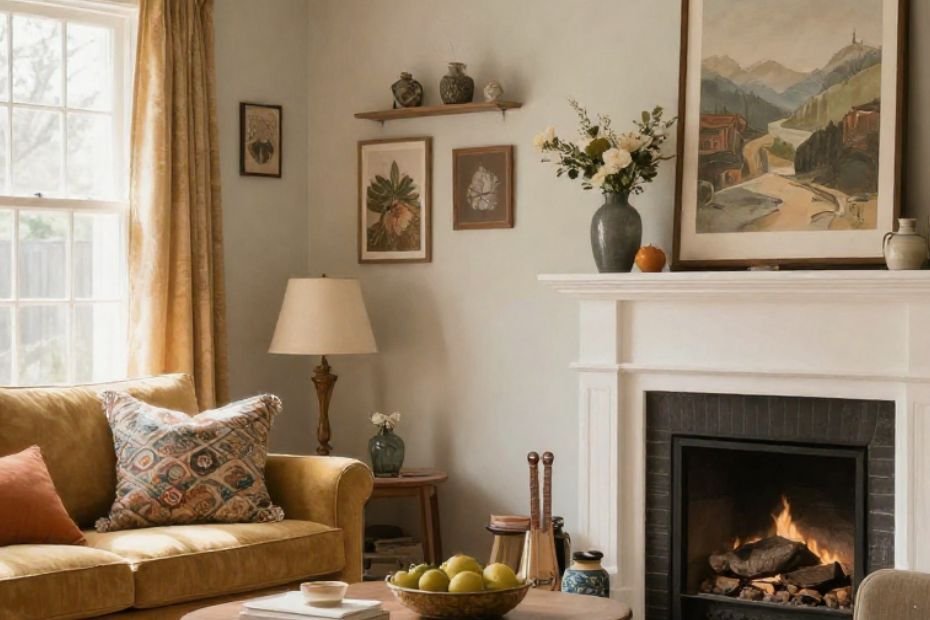
Eclectic cottage decor isn’t about matching sets or sticking to one era—it’s about layering what you love, regardless of origin, color, or period. Think a Victorian armchair beside a mid-century lamp, Indian block-print quilts on a farmhouse bed, and Moroccan tiles in a country kitchen.
Forget rigid formulas or fear of clashing. True eclectic cottage style balances chaos with calm through consistent neutrals, shared textures, and intentional editing.
These 11 ideas focus on harmony through contrast, so your space feels collected—not cluttered.
Why Eclectic Cottage Feels So Alive
Personal over perfect: A souvenir bowl holds keys; a vintage map charts memories—not just decor.
Texture unifies color: Linen, wool, wood, and clay tie disparate hues together.
One neutral anchors many tones: Cream walls or oak floors let bold patterns coexist.
Imperfection is welcome: Faded rugs, mismatched china, and repaired ceramics add soul.
11 Eclectic Cottage Decor Ideas That Celebrate Curated Imperfection and Personal Style
All concepts work in small to medium rooms and suit urban lofts or country cottages alike.
1. Neutral Walls with Bold Textile Layers
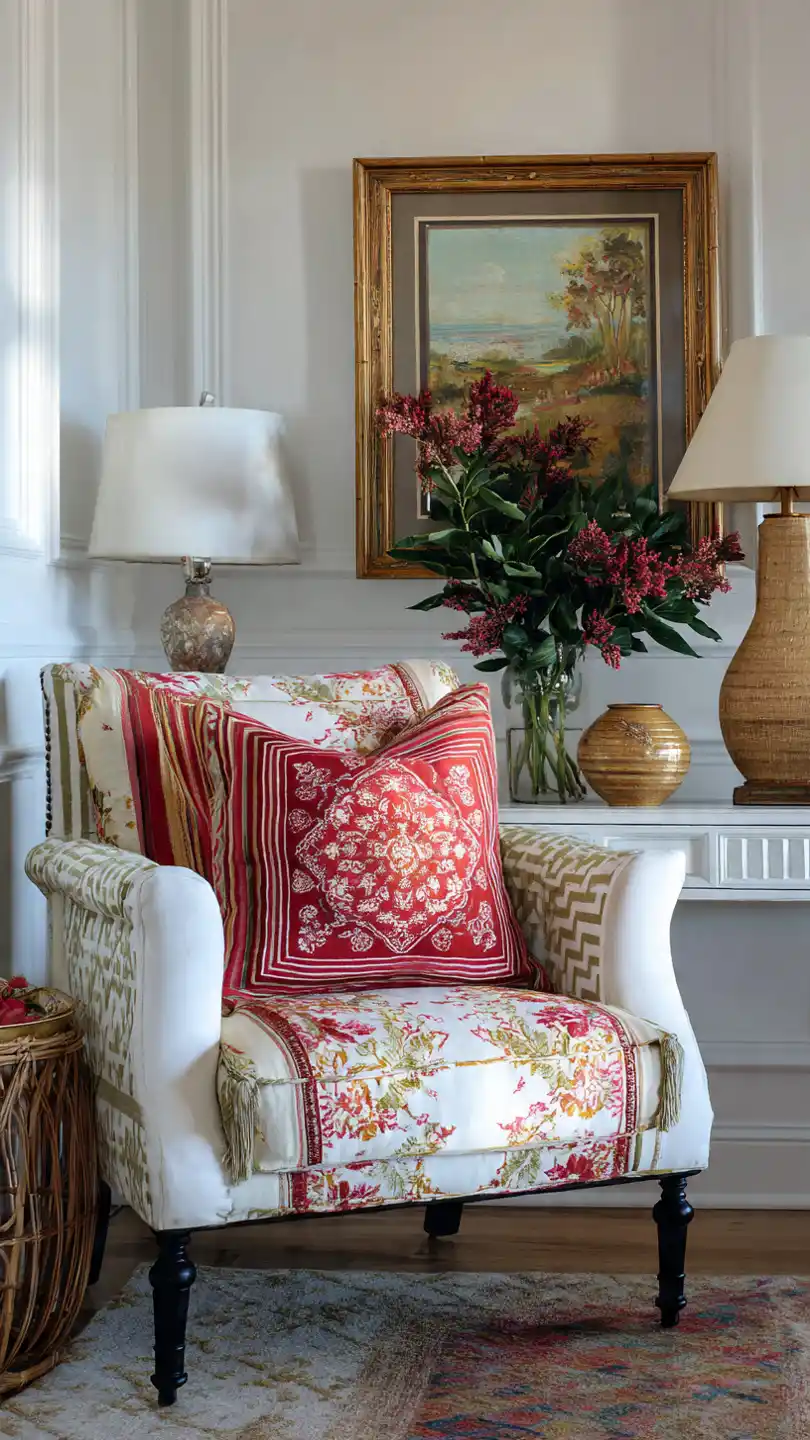
Paint walls in warm white or soft cream to act as a calm backdrop for vibrant kilims, ikat pillows, or embroidered throws.
This neutral base lets global textiles—Moroccan, Indian, or Eastern European—coexist without visual chaos.
2. Mix of Wood Tones and Furniture Eras
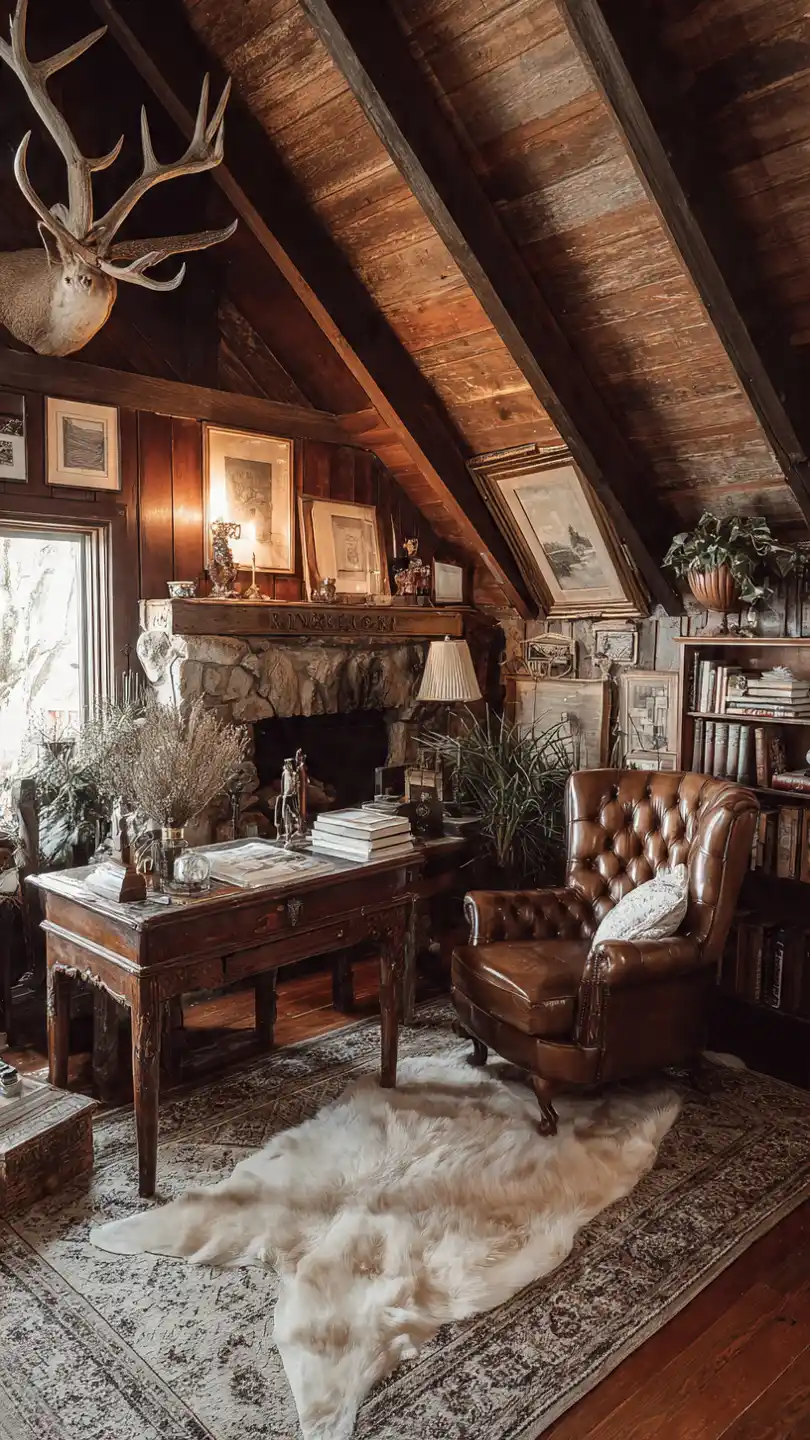
Pair a dark walnut Victorian sideboard with a light oak trestle table and a painted Swedish dresser in the same room.
Vary scale and finish, but unify through material: all solid wood, no veneers or plastics.
3. Global Rug Over Wide-Plank Floors
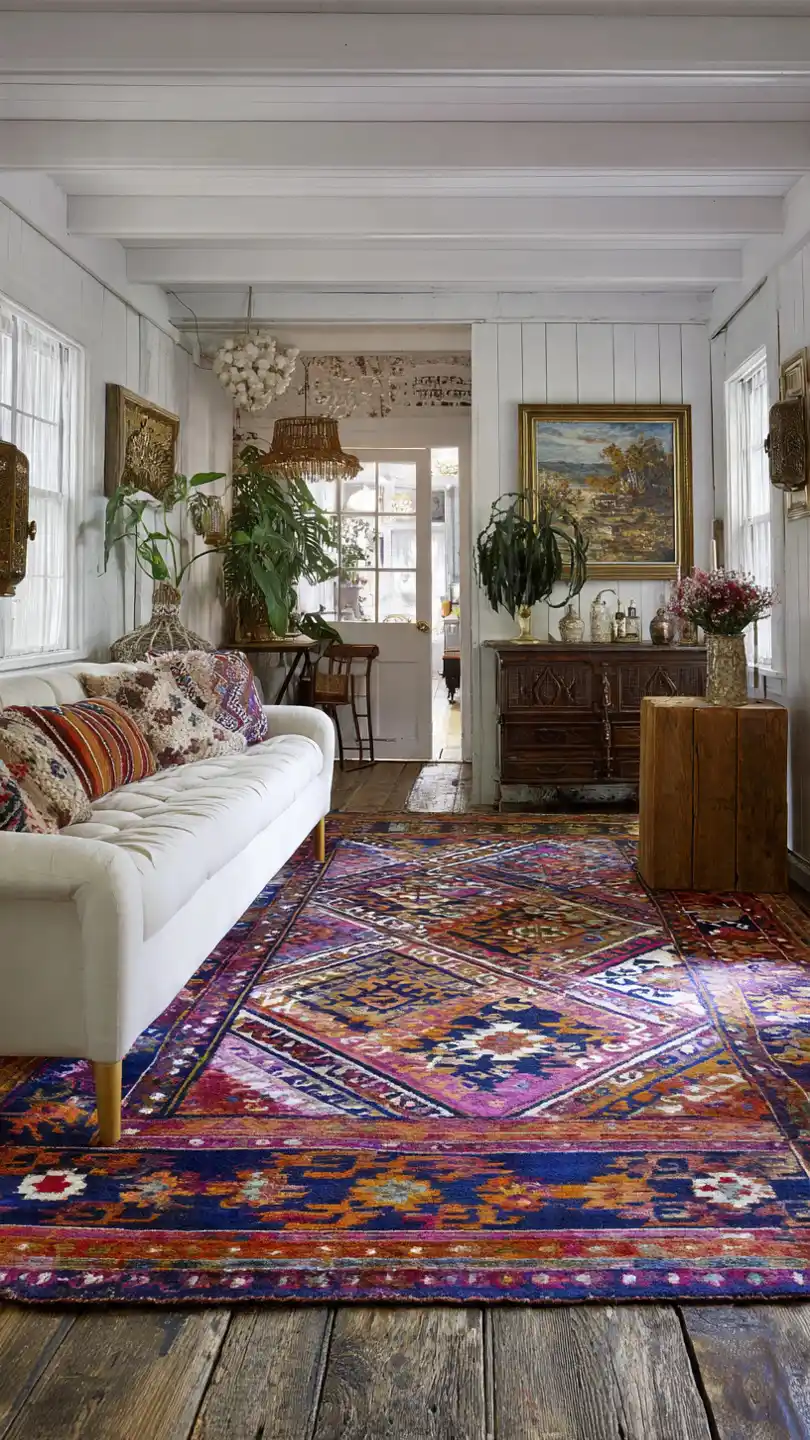
Layer a vintage Turkish or Persian rug with rich reds, blues, or saffron over natural oak or pine floors.
The rug becomes an anchor, while the floor grounds the mix in warmth and simplicity.
4. Open Shelving with Collected Objects
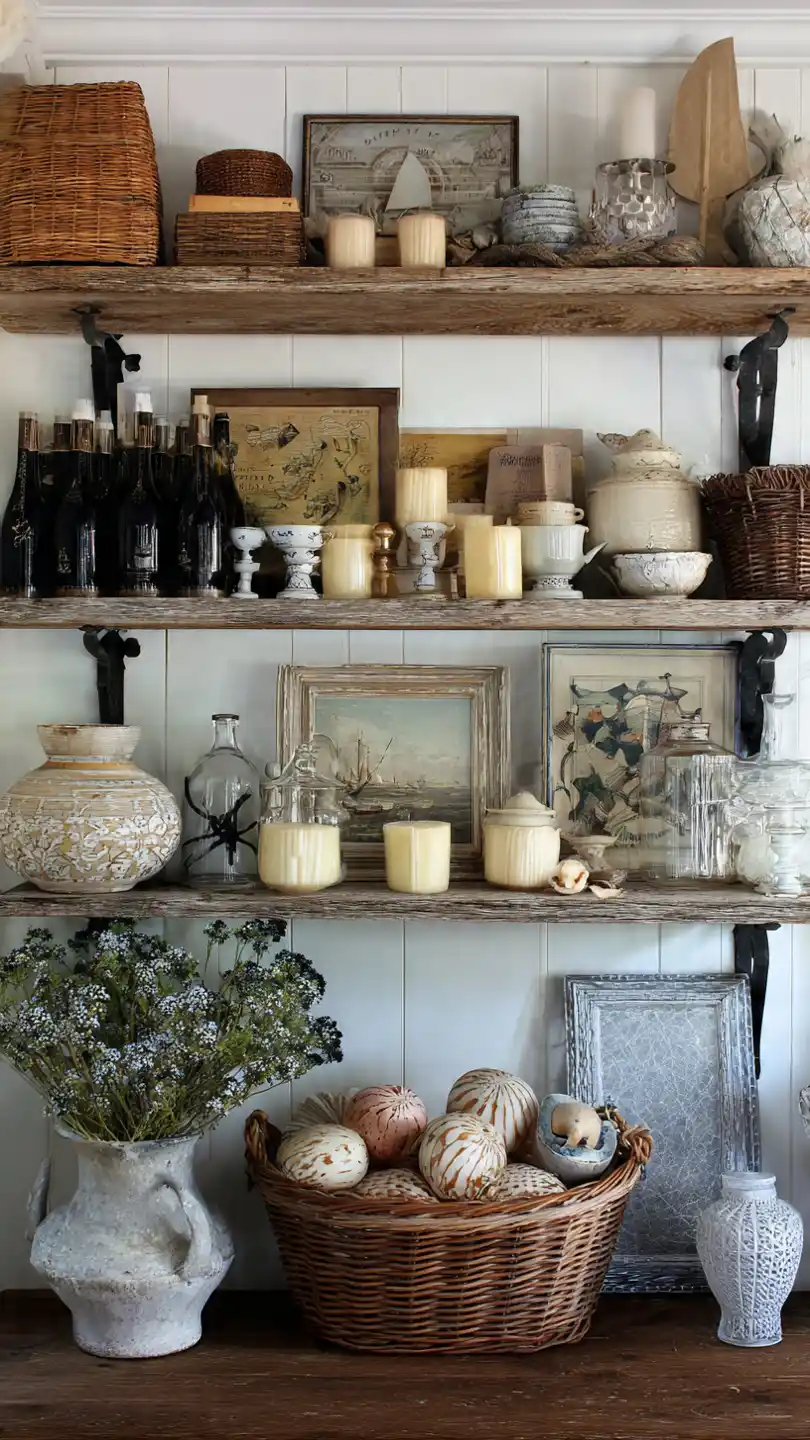
Display a mix of old books, ceramic vases from different cultures, brass candlesticks, and family photos on floating shelves.
Edit ruthlessly—only keep what sparks joy or memory—and avoid symmetrical arrangements.
5. Mismatched Seating Around a Central Table
Use a spindle-back chair, a velvet-upholstered armchair, and a rush-seated stool around a single farmhouse table.
Vary height and texture, but keep seat depth similar for comfort during meals or gatherings.
6. Vintage Lighting from Different Decades
Hang a 1950s brass pendant over the dining table, place a 1970s ceramic lamp on a side table, and use an industrial task light by the sofa.
Repeat metal finishes (e.g., all brass or all matte black) to create subtle cohesion across eras.
7. Handmade Textiles as Wall Art
Frame a vintage suzani, kantha quilt fragment, or Guatemalan weaving as a focal point above a bed or sofa.
These pieces add color, pattern, and human touch without feeling like mass-produced art.
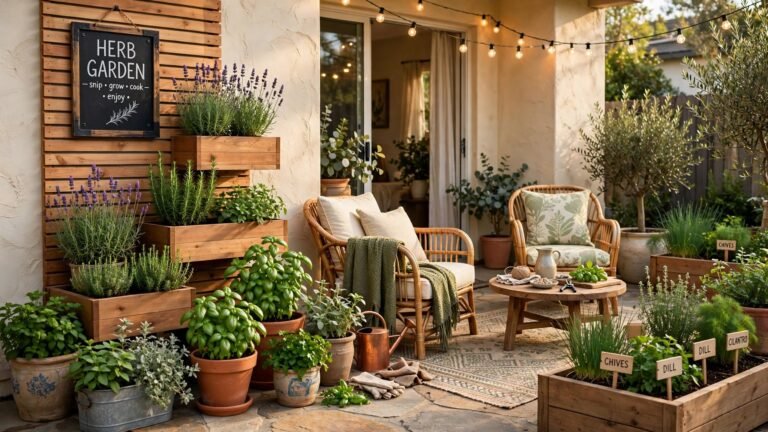
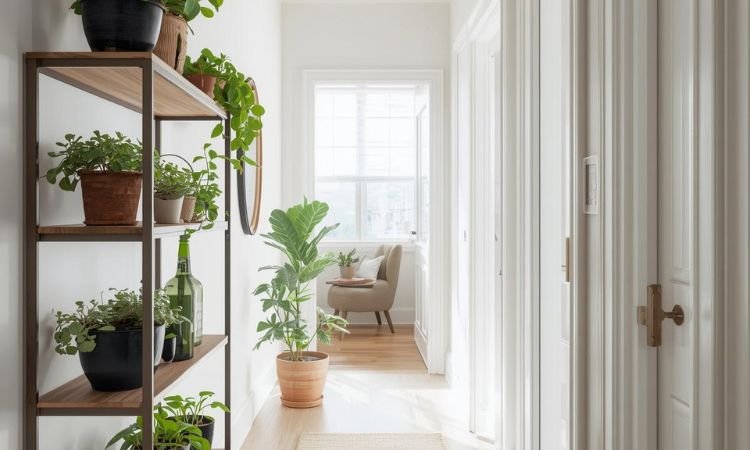
8. Plants in Diverse Pots
Place a fiddle leaf fig in a terracotta pot, a fern in a glazed Chinese vase, and succulents in a repurposed tin on windowsills.
Variety in containers reflects a life lived—but keep plant styles consistent (e.g., all green foliage, no bright flowers).
9. Layered Bedding with Global Prints
Combine a linen duvet, an Indian block-print quilt, a Turkish towel throw, and embroidered pillow shams in complementary tones.
Stick to a shared palette—e.g., indigo + cream or rust + olive—to prevent visual overload.
10. Functional Antiques Repurposed
Use an old apothecary cabinet as a bar, a school desk as a nightstand, or a wooden ladder as a blanket rack.
Function gives purpose to vintage finds, keeping them from feeling like museum pieces.
11. One Statement Wall in Pattern or Color
Paint one wall in deep sage, ochre, or faded rose—or paper it with a vintage floral or geometric print—to create a focal zone.
Keep the rest of the room neutral so the bold choice feels intentional, not overwhelming.
Common Mistakes and Fixes
- Too many competing patterns
Fix: Limit bold prints to 2–3 per room, and balance with solids. Let one textile lead; others should support. - No unifying thread
Fix: Repeat one element—wood tone, metal finish, or neutral base—throughout to tie disparate pieces together. - Overcrowding surfaces
Fix: Leave 30% of shelves and tables empty. Eclectic ≠ cluttered. Negative space lets objects breathe. - Ignoring scale
Fix: In small rooms, choose one large statement piece (rug, armoire) rather than many small ones. - Using new “vintage-style” items only
Fix: Mix real antiques with modern pieces. Authentic wear adds credibility that reproductions can’t match.
Collect, Don’t Curate
An eclectic cottage isn’t designed—it’s gathered. It’s the Moroccan pot you bought in Marrakech, the quilt your grandmother stitched, the lamp from a flea market that “just felt right.” There’s no rulebook.
Just live with what moves you, edit what doesn’t, and let your home become a map of your life.
Have you embraced eclectic cottage style? Did you mix eras, layer global textiles, or repurpose antiques? Share your favorite combo—or biggest surprise—in the comments.