18 Japandi Kids Room Ideas for a Calm and Serene Space
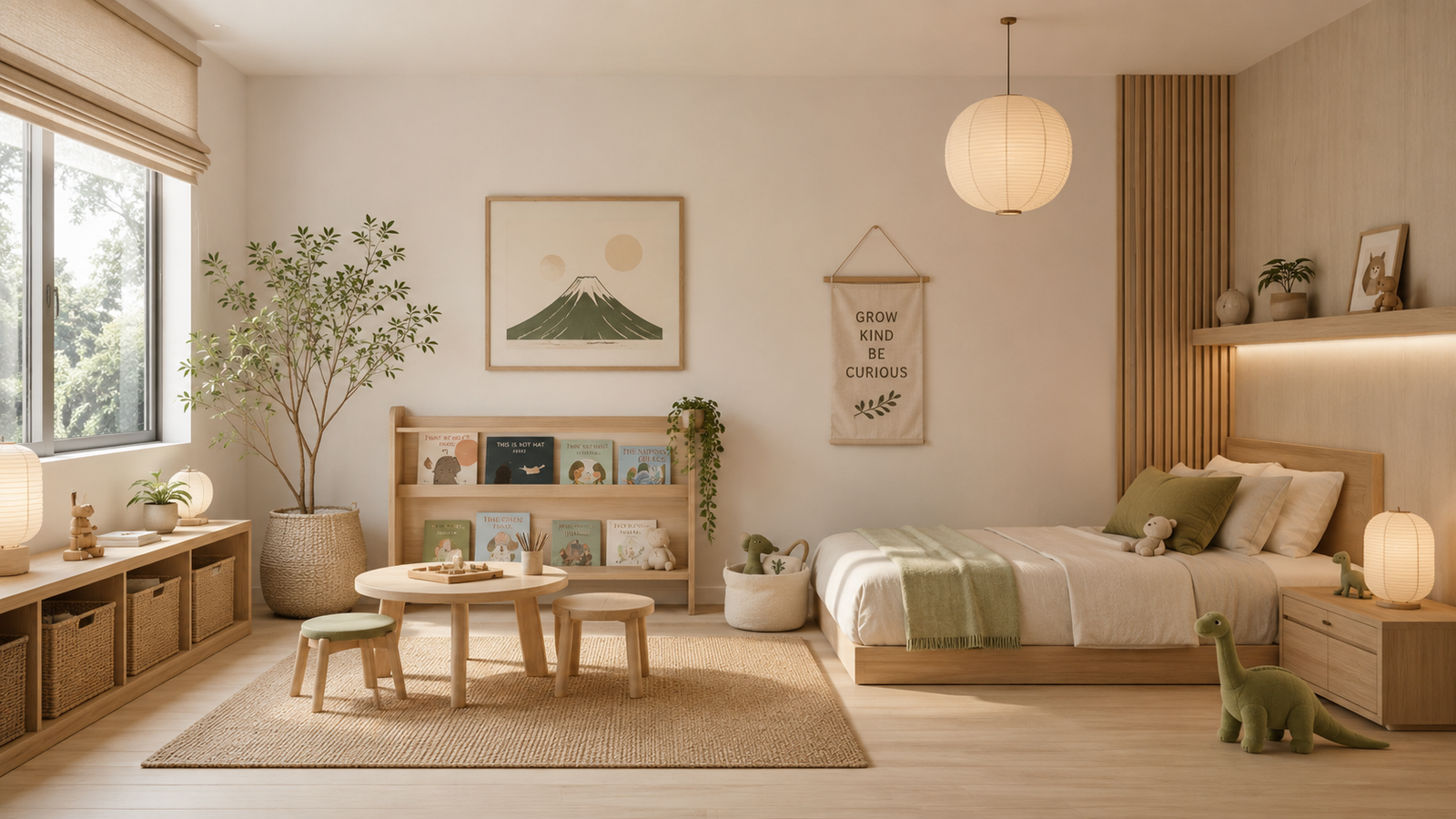
Creating a japandi kids room blends the warmth of Scandinavian design with the minimalist elegance of Japanese aesthetics, resulting in a tranquil and functional space for your child. This style focuses on natural materials, neutral tones, and uncluttered layouts that promote calm and creativity.
A japandi kids room is not just about visual appeal; it is about fostering a peaceful environment where your child can rest, play, and grow. By incorporating simple, high-quality pieces and intentional storage solutions, you can design a room that feels both inviting and serene.
Essential Elements for Your Japandi Kids Room
Key principles to guide your design journey.
- Natural Materials: Use wood, bamboo, rattan, and organic cotton for a grounded feel.
- Neutral Color Palette: Stick to soft whites, beiges, warm grays, and muted earth tones.
- Minimalist Furniture: Choose low-profile, functional pieces with clean lines and no clutter.
- Soft Lighting: Incorporate paper lanterns or wooden pendant lights for a gentle glow.
- Open Storage: Use low shelves and baskets to display toys while keeping the room tidy.
- Indoor Plants: Add a small bonsai or a snake plant to bring life and calmness.
- Textured Textiles: Layer linen bedding, cotton throws, and tatami mats for warmth.
- Intentional Decor: Choose a few meaningful items like a wooden toy or a simple art print.
1. Imagine a Japandi Kids Room with a Low Platform Bed
Imagine a japandi kids room anchored by a low wooden platform bed that sits directly on the floor. This design choice not only saves space but also creates a safe, grounded sleeping area that encourages independence and easy access for your child.
Pair the platform bed with a simple organic cotton mattress and a soft linen duvet to enhance the serene aesthetic of your japandi kids room. The low profile keeps the room feeling open and airy.
2. Picture a Japandi Kids Room with Woven Wall Decor
Picture a japandi kids room featuring a large woven wall hanging made from natural fibers like jute or cotton. This textural element adds visual warmth and a handmade feel without overwhelming the minimalist palette of the room.
In a japandi kids room, such decor serves as a focal point that draws the eye upward, balancing the low furniture. It complements the natural wood tones and soft lighting beautifully.
3. Discover a Japandi Kids Room with Open Shelving
Discover a japandi kids room that uses low, open wooden shelves to display a curated selection of toys and books. This storage solution keeps everything accessible for little hands while maintaining a clutter-free and intentional look.
Using baskets on the lower shelves of your japandi kids room helps hide smaller items and adds another layer of natural texture. This approach teaches organization in a visually pleasing way.
4. Consider a Japandi Kids Room with a Neutral Play Mat
Consider a japandi kids room where a large, neutral-toned wool or cotton play mat defines the play area on the floor. This soft surface provides a comfortable spot for activities while blending seamlessly with the room’s subdued color scheme.
Adding a simple wooden puzzle or a few felt toys on the mat enhances the calm atmosphere of your japandi kids room. The mat also helps to zone the space without using bulky furniture.
5. Anchor a Japandi Kids Room with a Wooden Arch
Anchor a japandi kids room with a beautiful wooden arch or climbing frame that doubles as both play equipment and sculptural decor. This natural element encourages active play while maintaining the room’s organic aesthetic.
A wooden arch in a japandi kids room can also be draped with a light muslin cloth to create a cozy reading nook. It is a versatile piece that grows with your child.
6. Layer a Japandi Kids Room with Textured Bedding
Layer a japandi kids room with multiple textured bedding pieces like a chunky knit throw, a linen quilt, and a cotton coverlet. This approach adds depth and coziness while sticking to a neutral and soothing color palette.
In a japandi kids room, layering textiles also provides practical warmth and comfort. The different textures create a visually rich but still minimalist look that feels inviting.
7. Build a Japandi Kids Room with a Tatami Mat Floor
Build a japandi kids room with a traditional tatami mat floor covering that adds warmth and a distinct Japanese character. These natural rush mats are soft underfoot and provide a safe, comfortable surface for play and rest.
A tatami floor in a japandi kids room also helps define the sleeping and playing zones. Its natural scent and texture contribute to a grounding, sensory-rich environment.
8. Bring a Japandi Kids Room to Life with a Paper Lantern
Bring a japandi kids room to life by suspending a large, handmade paper lantern from the ceiling. This soft, diffused light source creates a calming ambiance that is perfect for winding down at the end of the day.
The warm glow of a paper lantern in a japandi kids room mimics natural light and reduces harsh shadows. It is a simple yet impactful way to enhance the room’s serene mood.
9. Transform a Japandi Kids Room with a Low Table
Transform a japandi kids room by introducing a low wooden table for art projects, snacks, or quiet play. This floor-level furniture encourages a grounded posture and fits perfectly with the room’s minimalist ethos.
A low table in a japandi kids room can be paired with small floor cushions for seating. This setup promotes independence and makes the space adaptable for various activities.
10. Frame a Japandi Kids Room with Simple Artwork
Frame a japandi kids room with a single piece of simple, nature-inspired artwork hung at the child’s eye level. This intentional decor choice adds personality without creating visual clutter, staying true to the minimalist design.
Using a wooden frame for the art in your japandi kids room ties the piece back to the natural materials used throughout the space. It becomes a subtle focal point that sparks imagination.
11. Explore a Japandi Kids Room with a Canopy of Muslin
Explore a japandi kids room where a light, airy muslin canopy is draped over the bed or a corner reading nook. This soft fabric creates a sense of enclosure and fantasy while remaining visually light and unobtrusive.
A muslin canopy in a japandi kids room adds a whimsical touch without breaking the neutral color rule. It filters light beautifully and provides a cozy retreat for your child.
12. Shape a Japandi Kids Room with Curved Furniture
Shape a japandi kids room by choosing furniture with soft, rounded edges, such as a curved mirror or an oval side table. These organic forms soften the space and make it feel safer and more nurturing for a child.
Curved furniture in a japandi kids room also echoes the natural shapes found in Japanese design. It creates a fluid, gentle flow that enhances the room’s peaceful energy.
13. Define a Japandi Kids Room with a Neutral Rug
Define a japandi kids room by placing a large, handwoven rug in a soft beige or warm gray on the floor. This anchors the seating or play area and adds a layer of comfort and sound absorption to the room.
A neutral rug in a japandi kids room should have a subtle texture or pattern to add interest without overwhelming the space. It ties the furniture together and creates a cohesive look.
14. Introduce a Japandi Kids Room with a Potted Bonsai
Introduce a japandi kids room with a small potted bonsai tree or a simple snake plant on a low shelf. This living element brings nature indoors, teaching responsibility and adding a vibrant but calm focal point.
A bonsai in a japandi kids room should be placed in a simple ceramic pot to maintain the minimalist aesthetic. It is a perfect way to incorporate greenery without clutter.
15. Suspend a Japandi Kids Room with a Wooden Mobile
Suspend a japandi kids room with a simple wooden or felt mobile hanging above the changing area or bed. This gentle, moving decoration captures a child’s attention and adds a playful, artistic element to the ceiling space.
A wooden mobile in a japandi kids room should feature natural shapes like leaves or clouds. It provides visual stimulation while keeping the decor grounded in nature.
16. Ground a Japandi Kids Room with a Storage Bench
Ground a japandi kids room with a low wooden storage bench that serves as both seating and a place to hide toys. This multifunctional piece keeps the floor clear and offers a spot for putting on shoes or reading.
A storage bench in a japandi kids room should be made from light oak or bamboo to match the natural palette. It is a practical solution that maintains the room’s clean lines.
17. Position a Japandi Kids Room with Floor Cushions
Position a japandi kids room with a set of large, round floor cushions in neutral linen or cotton. These provide flexible seating for playdates, reading, or relaxing, and can be easily stacked or moved as needed.
Floor cushions in a japandi kids room eliminate the need for bulky chairs, keeping the space open and adaptable. They add a soft, inviting texture to the room.
18. Fill a Japandi Kids Room with Soft, Neutral Curtains
Fill a japandi kids room with floor-length linen curtains in a soft off-white or light beige. These drape gracefully, filtering natural light and adding a sense of height and softness to the room.
Using natural fiber curtains in a japandi kids room helps control light and provides privacy while enhancing the room’s serene, organic feel. They are the perfect finishing touch for a calm space.
Frequently Asked Questions
Q. What are the key colors for a japandi kids room?
Ans. The key colors for a japandi kids room are soft whites, warm beiges, muted grays, and earthy tones like taupe and light wood.
Q. How can I make a japandi kids room more playful?
Ans. You can make a japandi kids room more playful by adding natural textures like a woven play mat, a wooden climbing frame, or a simple muslin canopy.
Q. Is a japandi kids room suitable for a baby?
Ans. Yes, a japandi kids room is very suitable for a baby due to its focus on natural, non-toxic materials and a calm, clutter-free environment.
Conclusion
Designing a japandi kids room is about creating a sanctuary that promotes rest, creativity, and calm. By focusing on natural materials, neutral colors, and intentional simplicity, you can craft a space that feels both beautiful and functional for your child.
From low platform beds to soft linen curtains, each element in a japandi kids room works together to foster a peaceful atmosphere. This style is timeless, adaptable, and perfect for nurturing a child’s growth in a serene setting.