Lounge Area Ideas for the Living Room That Prioritize Comfort and Conversation
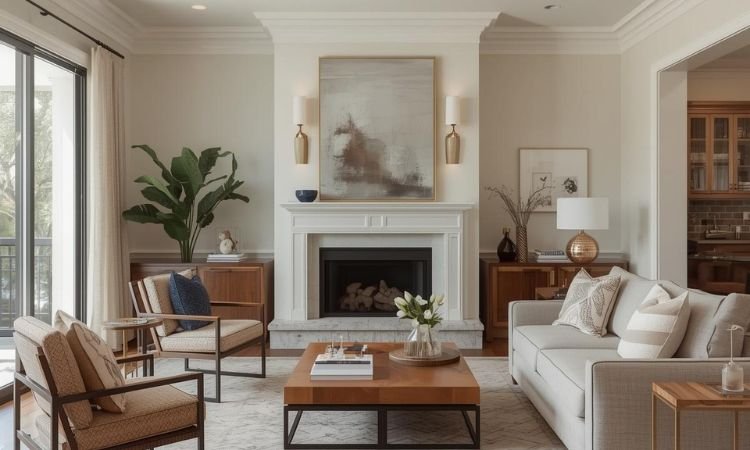
A well-planned lounge area centers on relaxed seating, easy conversation, and intuitive flow—not just matching furniture.
Most living rooms range from 12’x15′ to 18’x20′, so layout and scale directly impact how inviting the space feels.
These 10 ideas focus on functional arrangements, low-profile furniture, and layered comfort that work in real homes—without requiring open-concept layouts or designer budgets.
Why Layout Matters More Than Matching Sets
Conversation distance: Seating should be 6–8 feet apart—close enough to talk, far enough to stretch out.
Circulation paths: Leave 30″–36″ of clear walkway around the lounge zone to avoid bumping into furniture.
Focal point alignment: Arrange seating toward a shared anchor—fireplace, TV, or window—not scattered randomly.
Comfort over formality: Deep seats, supportive cushions, and accessible surfaces matter more than “perfect” symmetry.
10 Lounge Area Ideas for the Living Room That Prioritize Comfort and Conversation
All concepts work in rooms as small as 12’x15′ and assume daily use by 2–4 people.
1. L-Shaped Sofa with Ottoman
Place a low-back L-shaped sofa in one corner, leaving the long side open to the room. Add a large upholstered ottoman (36″x36″ or larger) as a footrest, coffee table, or extra seat.
Keeps the layout flexible and open. Ideal for small or narrow rooms where a full sectional would overwhelm.
2. Two-Armchair + Coffee Table Combo
Position two comfortable armchairs (32″–36″ wide) facing each other with a round or oval coffee table (30″–36″ diameter) between them. Angle slightly inward for better eye contact.
Creates an intimate conversation zone. Works well in front of fireplaces or bay windows.
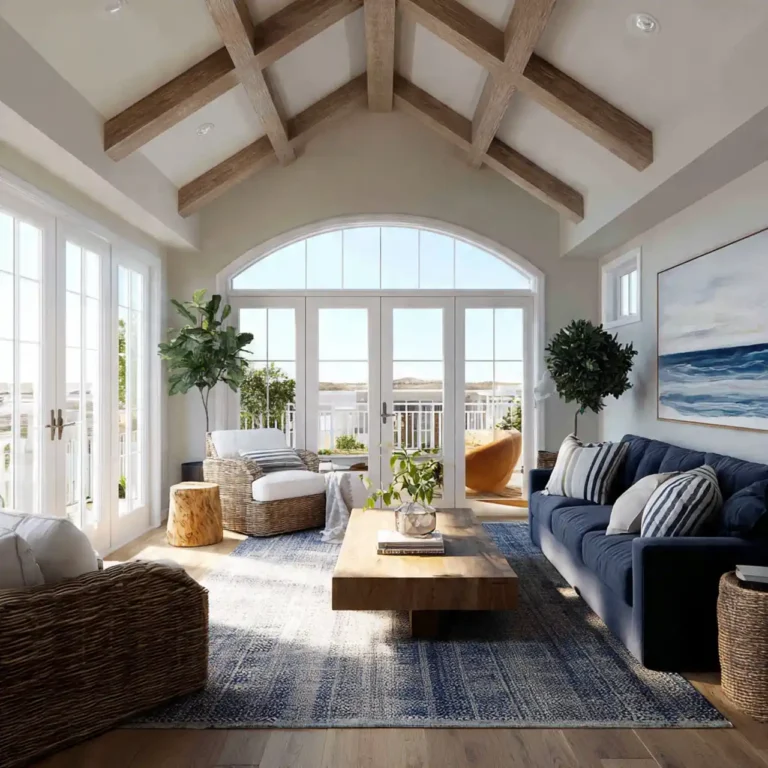
3. Sofa + Two Accent Chairs in U-Shape
Arrange a 72″–84″ sofa opposite two accent chairs, forming a soft U. Leave 18″–24″ between chair arms and sofa for easy access. Use a rectangular coffee table centered in the middle.
Encourages group interaction. Best in rooms 14′ wide or more.
4. Window Nook Lounge
Build or place a cushioned bench under a large window (minimum 6′ wide). Add two floor cushions or small armchairs facing it. Use a slim tray table for drinks or books.
Maximizes natural light and creates a quiet retreat within the main room. Ideal for reading or solo relaxation.
5. Modular Sectional with Reconfigurable Pieces
Use a modular sectional with movable chaise, armless chairs, and ottomans. Rearrange seasonally: U-shape for winter, open L for summer.
Choose pieces with uniform height and fabric for cohesion. Great for families who need flexibility.
6. Low Coffee Table + Floor Cushions
Pair a standard sofa with a low-profile coffee table (14″–16″ tall) and two large floor cushions or poufs on one side. Creates a casual, lounge-like vibe.
Best with hardwood or rug-covered floors. Keep cushions stored nearby when not in use.
7. Conversation Pit (Sunken or Raised)
In remodels, lower the lounge area by 6″–12″ (or raise surrounding floor) to create a subtle pit. Use built-in benches with deep cushions and a central table.
Adds architectural interest and acoustic intimacy. Requires structural planning—best for new builds or major renovations.
8. Bookshelf Backdrop Lounge
Place your sofa with its back to a floor-to-ceiling bookshelf or cabinet unit. The shelf acts as a visual anchor and storage, while the seating faces into the room.
Keeps the lounge zone defined without walls. Use open shelving for lightness, closed cabinets for tidiness.
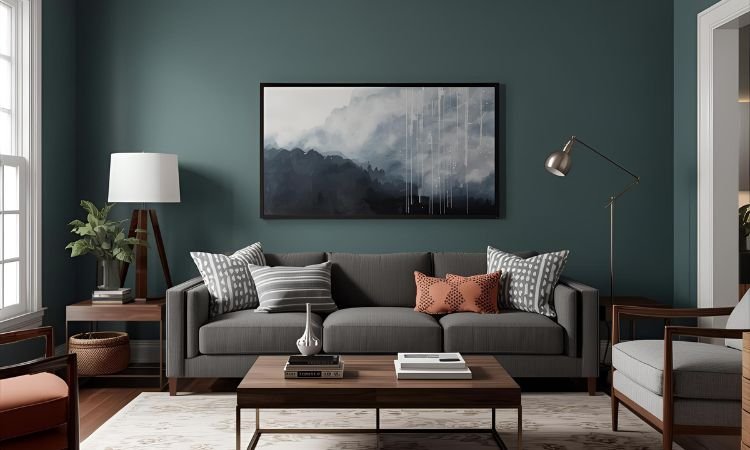
9. Fireplace-Centered Arrangement
Angle two sofas or a sofa and loveseat toward a central fireplace, leaving a clear path in front. Use a large rug to anchor all pieces.
Traditional but effective. Ensure fireplace clearance meets safety codes (typically 36″ from combustibles).
10. Flexible Media Lounge with Swivel Chairs
Place a media console on one wall. Use a sofa and two swivel armchairs that can turn toward the TV or toward each other for conversation.
Balances entertainment and socializing. Choose chairs with smooth rotation and sturdy bases.
Common Mistakes and Fixes
- Pushing all furniture against walls
Fix: Float the sofa or chairs 6″–12″ from the wall to create depth and improve acoustics. - Using a coffee table too tall or large
Fix: Table height should match sofa seat height (±2″). Width should leave 18″ walkway on all sides. - Ignoring rug size
Fix: All front legs of seating should sit on the rug. For a 3-seat sofa, use at least an 8’x10′ rug. - Overcrowding with too much furniture
Fix: In rooms under 200 sq ft, limit to 3–4 seating pieces max. Less is more. - Skipping task lighting
Fix: Add a floor lamp near reading chairs and a table lamp on side consoles. Avoid overhead-only lighting.
Comfort Is the Goal—Not Perfection
A great lounge area feels effortless, easy to enter, comfortable to stay in, and natural for talking or relaxing.
Start with one good sofa or two solid chairs, add a rug, and build from there. The best setups evolve with your life—not a magazine spread.
Which of these 10 ideas fits your room’s shape and your idea of relaxation? Try one arrangement this weekend—you’ll feel the difference immediately.