Cottage Farmhouse Decor Ideas That Blend Rustic Warmth and Lived-In Comfort
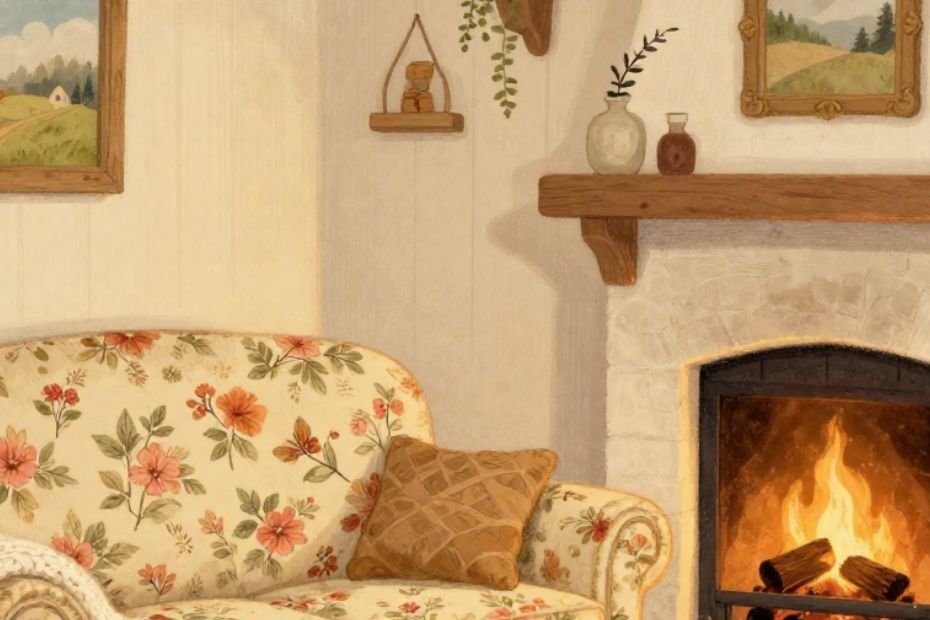
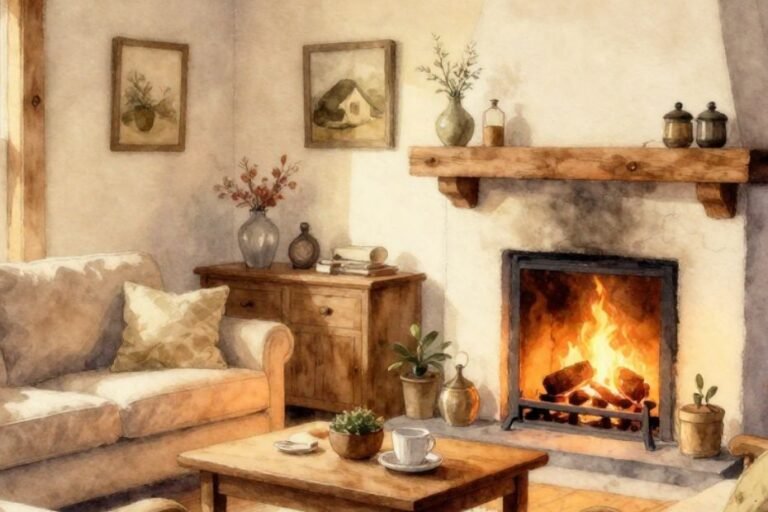
Cottage farmhouse decor isn’t a style—it’s a feeling. It’s the mix of worn wood floors, mismatched chairs around a trestle table, linen curtains filtering morning light, and shelves lined with chipped but beloved dishes.
Rooted in rural practicality and softened by cottage coziness, this look thrives on imperfection, texture, and function. In a typical 12’x14′ room, every object earns its place through daily use—not display.
Forget staged vignettes or matching sets. Authentic cottage farmhouse style blends the sturdy simplicity of farmhouse design with the layered softness of English or French cottage living.
These 13 ideas focus on honest materials, warm neutrals, and quiet detailing so your home feels like it’s been loved for generations.
Why This Hybrid Style Feels So Inviting
Imperfection adds soul: Scratched tables, frayed throws, and faded paint tell a story.
Warm wood meets soft textiles: Oak floors ground linen sofas; wool blankets drape over spindle chairs.
Function leads form: A ladder-back chair is for sitting, not styling. A pitcher holds water, not just flowers.
Neutral palette with subtle depth: Cream, oat, moss green, and charcoal—not pastels or brights.
13 Cottage Farmhouse Decor Ideas That Blend Rustic Warmth and Lived-In Comfort
All concepts work in small to medium rooms and suit both country homes and city apartments.
1. Whitewashed Walls with Exposed Wood Beams
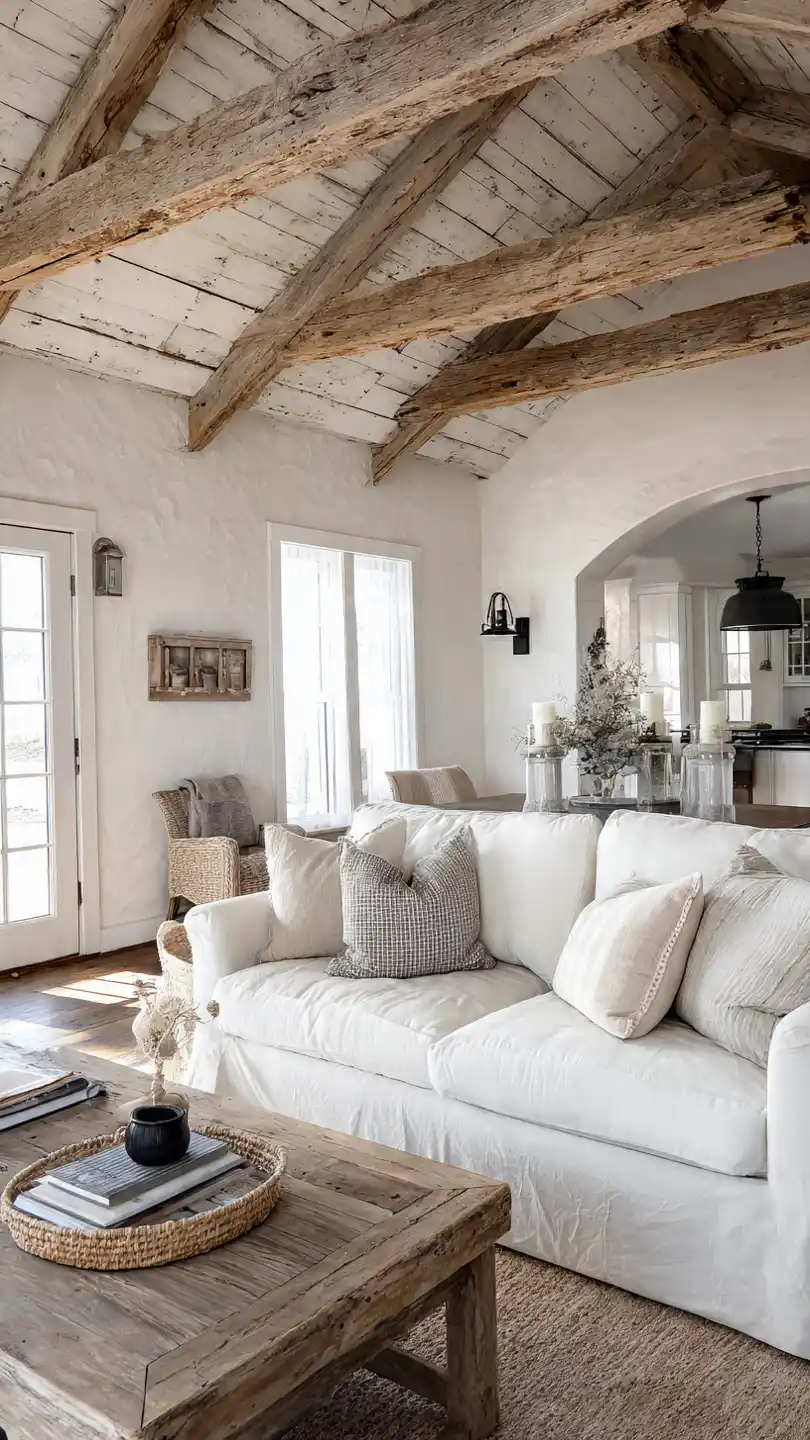
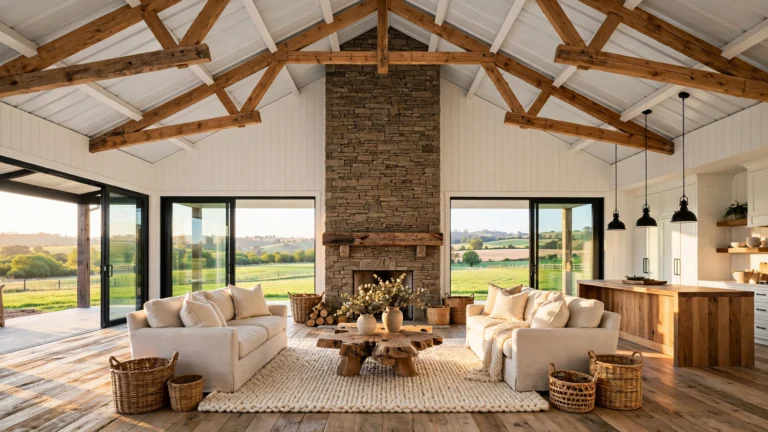
Paint walls in warm white or soft cream and leave ceiling beams in natural or stained oak to add height and rustic character.
The contrast between light walls and dark wood creates warmth without heaviness, especially in rooms with limited natural light.
2. Trestle or Farm Table with Mismatched Chairs
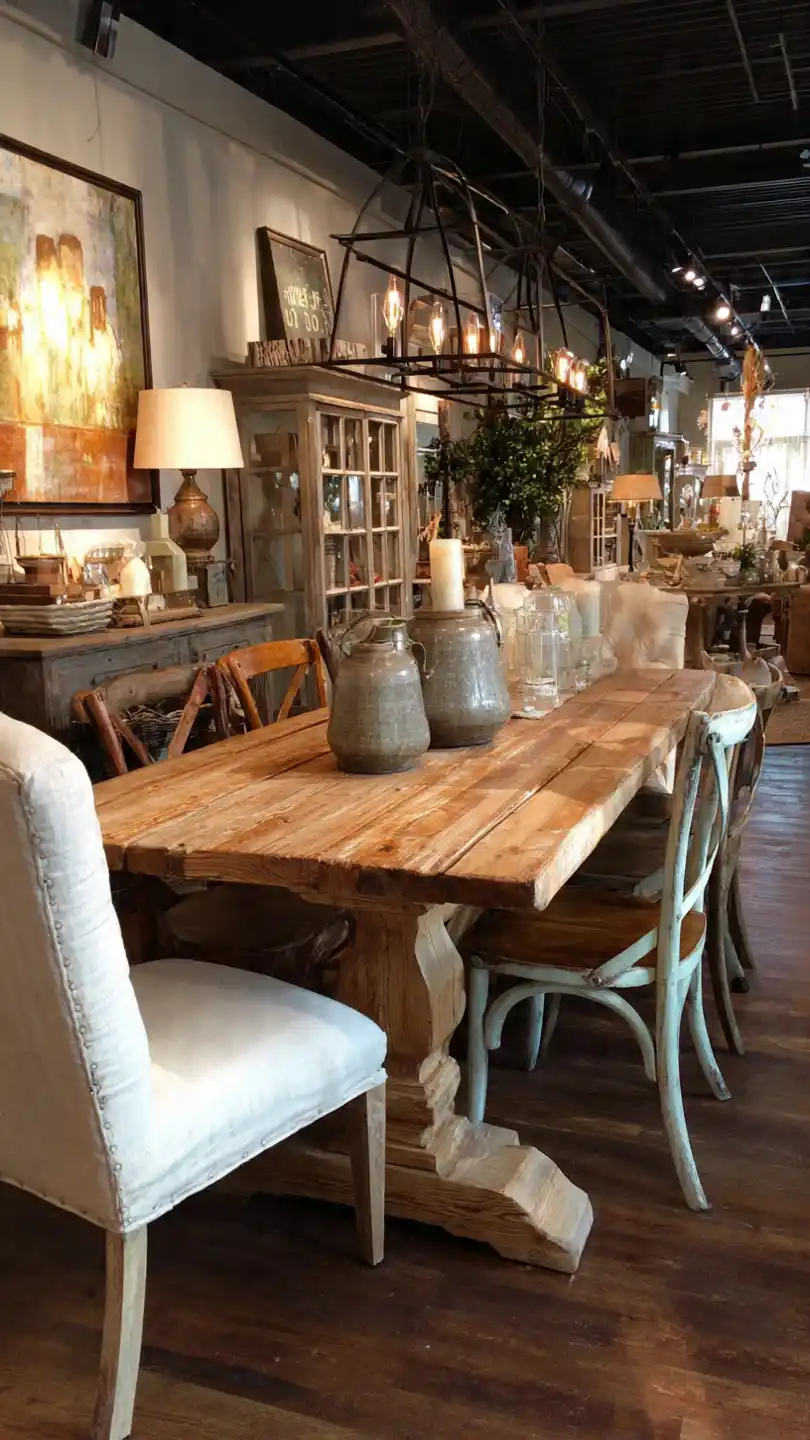
Use a solid wood dining table—trestle, gate-leg, or plank-style—with a mix of ladder-back, spindle, and upholstered chairs.
Mismatched seating feels collected over time, and wood grain adds organic texture that synthetic finishes can’t replicate.
3. Linen Slipcovered Sofa in Oat or Cream

Choose a simple sofa with removable, washable linen slipcovers in undyed oat or warm white for easy cleaning and relaxed comfort.
The natural fiber softens hard floors and ages beautifully, developing a gentle fade that enhances the cottage feel.
4. Open Shelving with Everyday Dishware
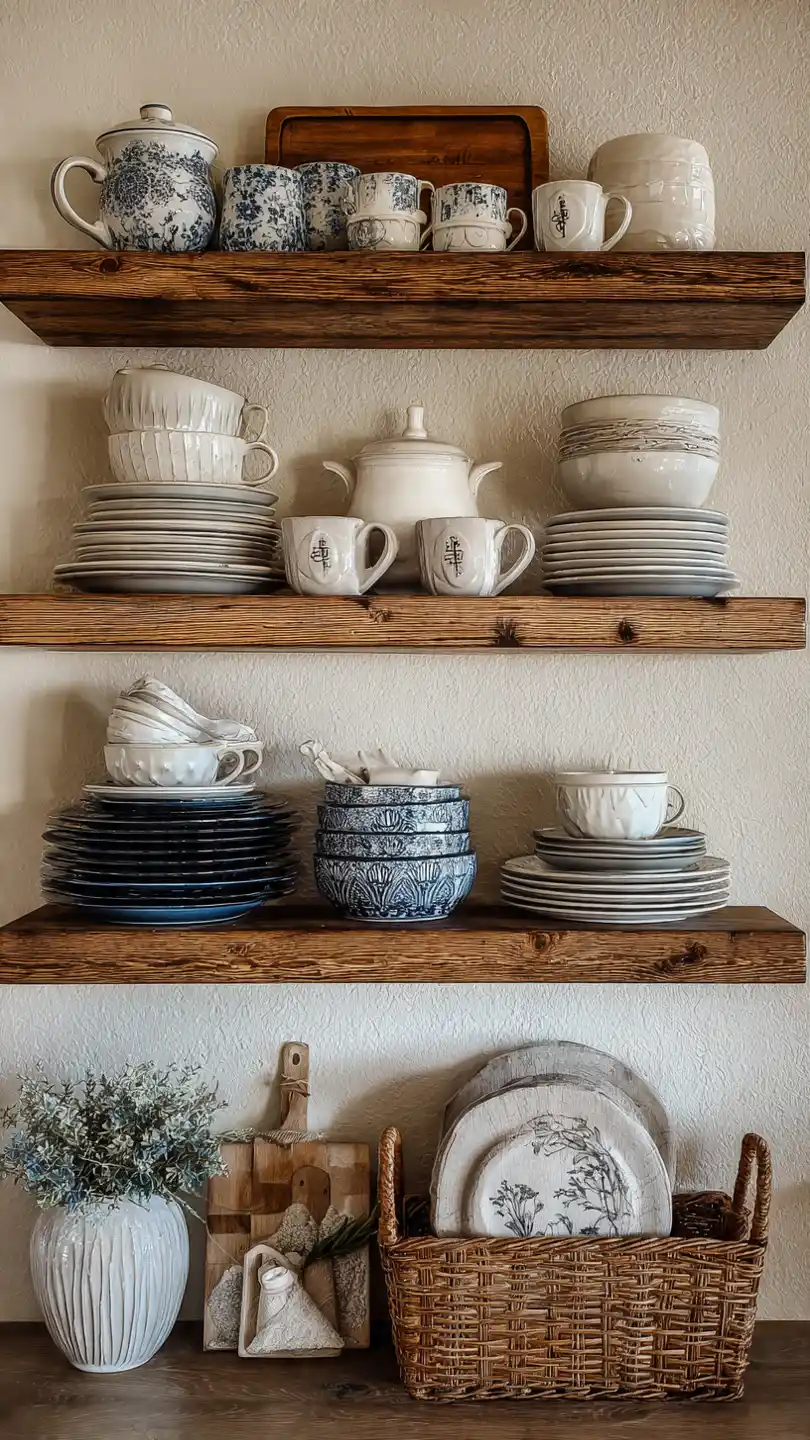
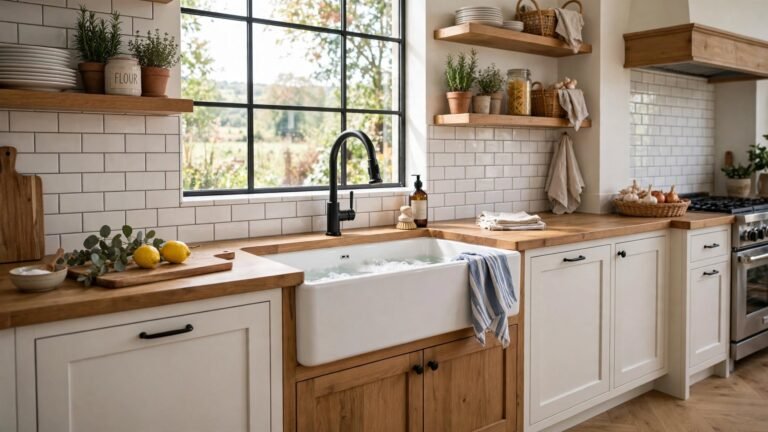
Mount floating shelves or use a vintage hutch to display everyday plates, glass jars, and ceramic pitchers—no cabinets, no hiding.
Keep only what you use weekly; chips and mismatched patterns add charm, not clutter.
5. Worn Oak or Pine Floors with Area Rugs
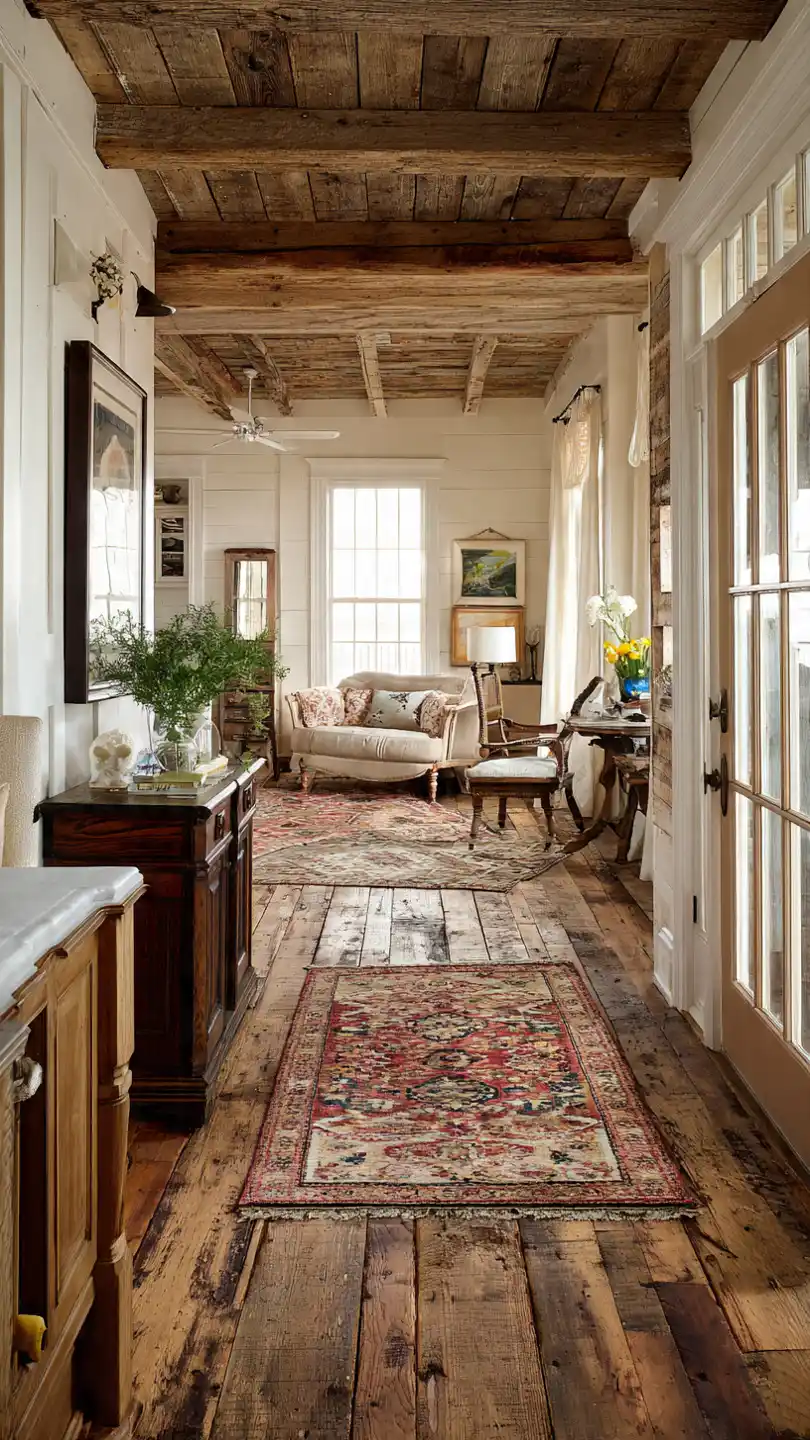
Leave original wood floors bare or apply a matte oil finish, then layer with wool rag rugs or flat-weave jute in neutral tones.
Rugs define seating areas and add warmth underfoot while letting the beauty of aged wood show through.
6. Iron Bed Frame with Layered Linens
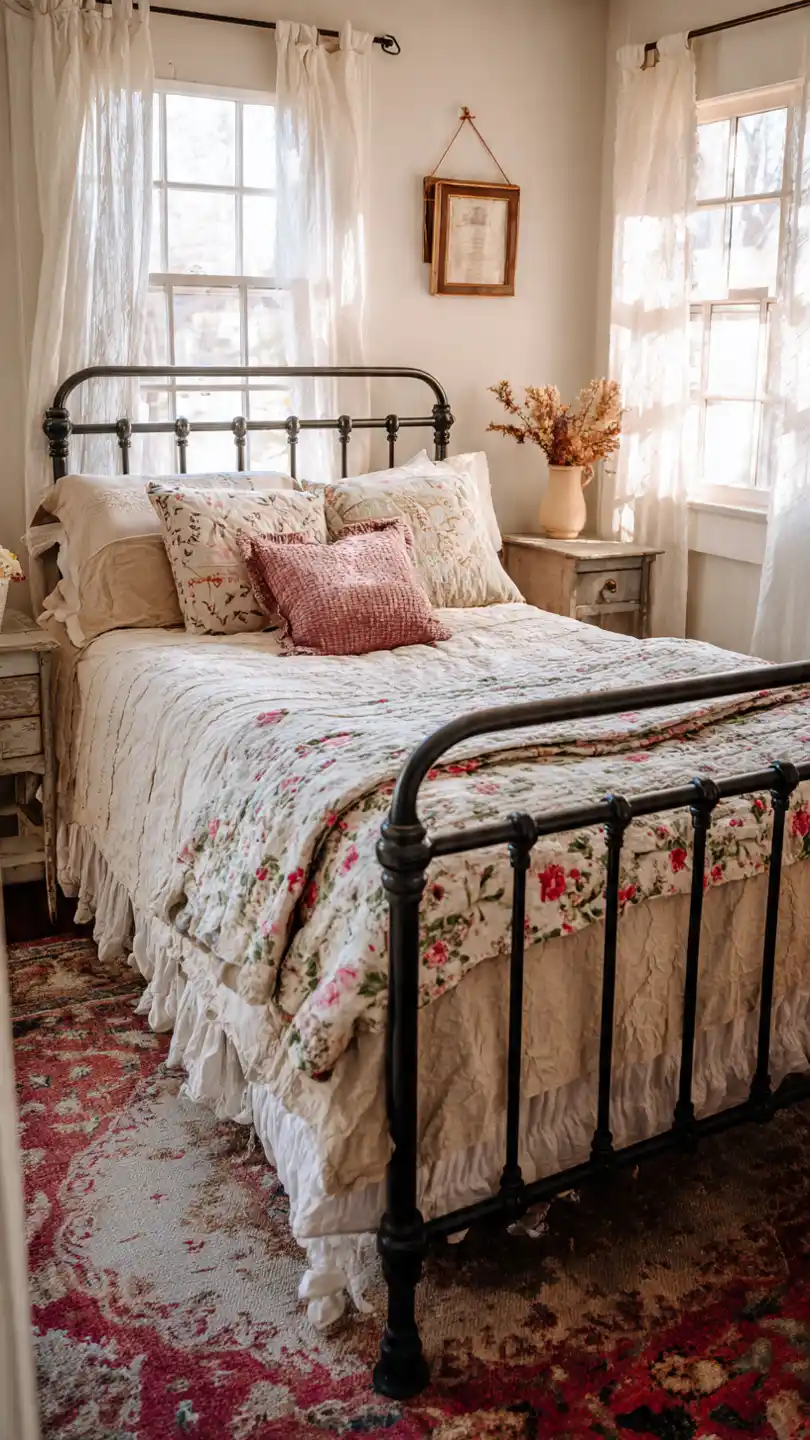
Place a simple black iron bed in the bedroom and layer with oat-colored linen sheets, a wool blanket, and one lumbar pillow.
Avoid duvet sets; instead, mix textures in warm neutrals for a bed that feels inviting, not staged.
7. Window Seat with Cushions and Storage

Build a window seat (at least 20″ deep) beneath a bay or casement window with lift-up storage and top it with two firm cushions.
Cover in durable linen or cotton ticking, and add a small throw for reading—this becomes the heart of a cottage farmhouse room.
8. Garden-Cut Flowers in Simple Vases
Place freshly cut blooms—sweet peas, daisies, or lavender—in mismatched pitchers, jam jars, or stoneware vases on tables and shelves.
Change them weekly; their fleeting beauty is part of the rhythm of cottage living.
9. Woven Seagrass or Rush Seating
Use rush-seated chairs, seagrass stools, or a woven bench at the dining table or foot of the bed for natural texture and breathability.
These pieces handle humidity well and develop a soft patina with use, blending seamlessly with wood furniture.
10. Wool Throws in Earthy Tones
Drape thick wool blankets in moss green, charcoal, or rust over sofas and armchairs for instant coziness and seasonal warmth.
Fold them casually—never perfectly—and choose natural fibers that soften with washing, not synthetics that pill.
11. Single Statement Armoire or Wardrobe
Include one large antique armoire—painted soft gray, olive, or left natural—as a focal point and functional storage piece.
Refinish only enough to make it usable; leave scratches, dents, and original hardware visible as part of its history.
12. Minimal Wall Art: One Botanical or Landscape Print
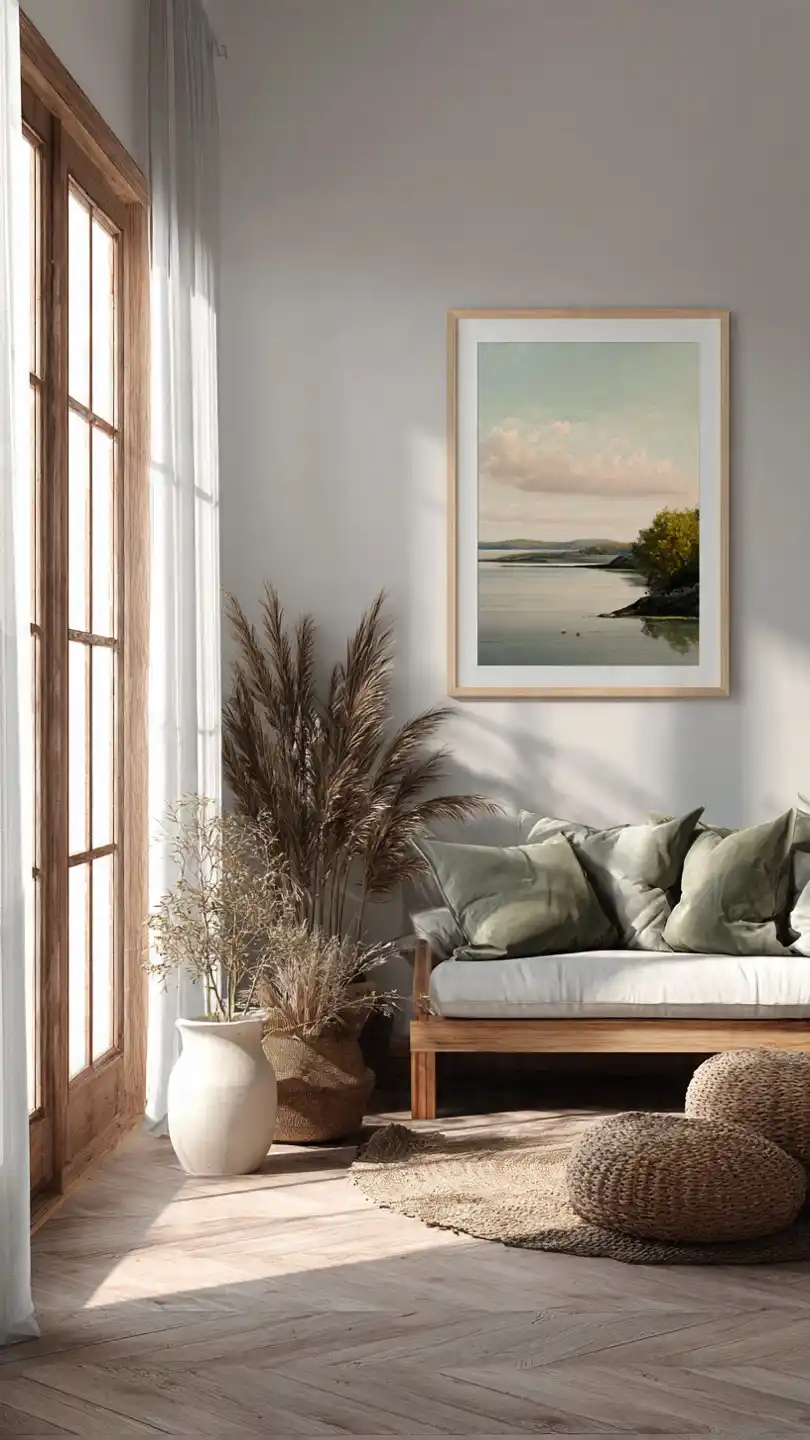
Hang a single framed botanical engraving, vintage map, or muted landscape in a thin wood or black frame above a bed or sofa.
Avoid gallery walls; let one quiet image serve as a focal point without competing with textured walls or woodwork.
13. Functional Entry Bench with Woven Bins
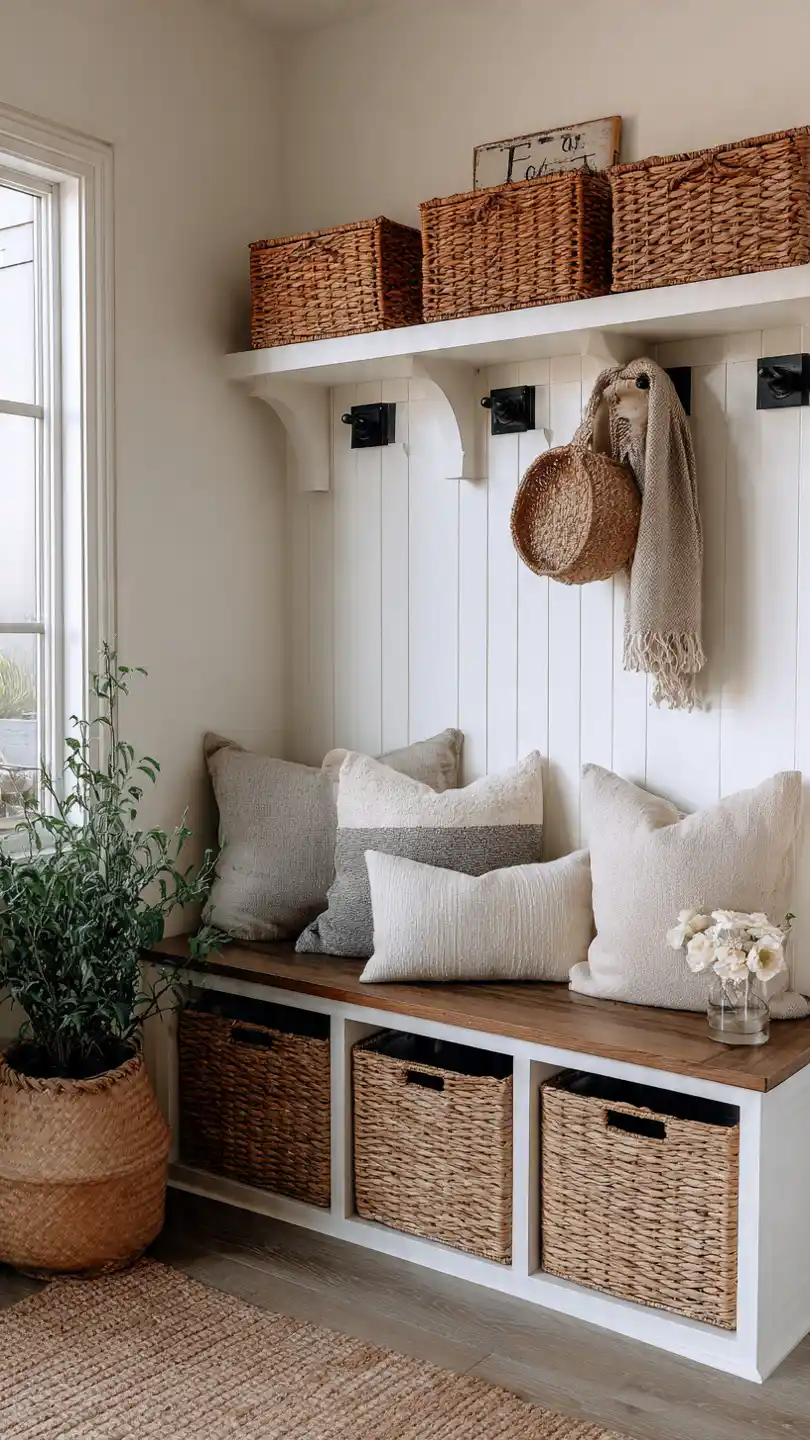
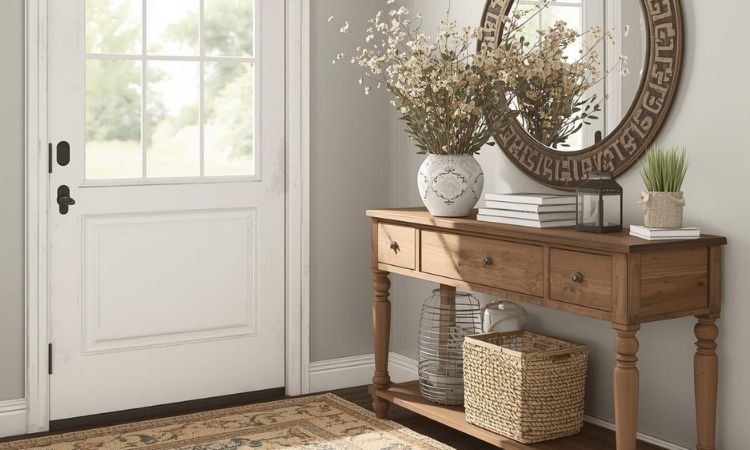
Place a wooden bench near the door with lidded seagrass or canvas bins underneath for shoes, gloves, or garden tools.
It’s practical for daily life and adds cottage texture without looking like “decor.”
Common Mistakes and Fixes
- Using new “distressed” furniture
Fix: Choose real antiques or simple modern wood pieces. Fake distressing looks cheap; real wear feels honest. - Adding roosters, signs, or themed decor
Fix: Skip all literal symbols. Let texture, light, and function create the mood—not slogans or clichés. - Over-matching textiles
Fix: Mix linen, cotton, and wool in similar tones. Perfectly matched pillows feel staged, not lived-in. - Painting all wood white
Fix: Leave floors, beams, and furniture in natural or stained wood. White belongs on walls, not structural elements. - Ignoring scale in small rooms
Fix: Choose lower-profile furniture (sofas under 32″ tall, chairs under 36″) to preserve sightlines and airflow.
Live In It, Don’t Stage It
A true cottage farmhouse isn’t designed—it’s inhabited. There’s no rulebook, only rhythm: use what you love, keep what serves you, and let time soften the edges. Skip the trends.
Have you blended cottage and farmhouse styles in your home? Did you go for a trestle table, linen slipcovers, or open shelving?
Share your favorite element—or biggest lesson—in the comments. We’d love to hear how you’ve made this warm, imperfect style your own.