11 Family Lounge Room Ideas That Balance Comfort, Durability, and Togetherness
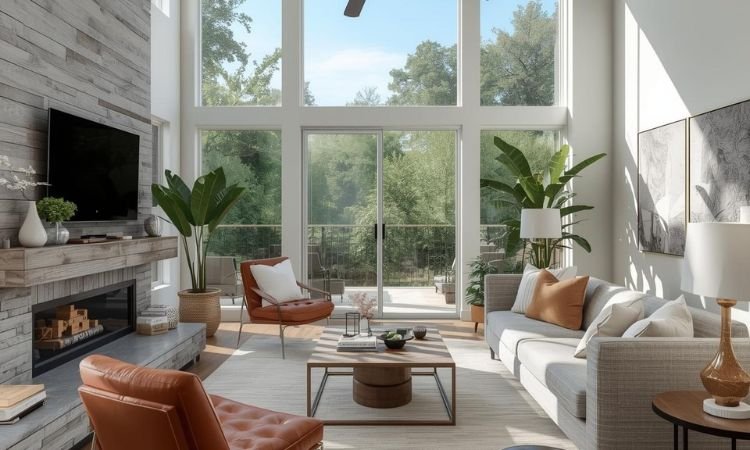
A family lounge room must handle daily life—movie nights, homework, naps, and play—without looking worn or chaotic.
Most U.S. family rooms range from 14’x18′ to 20’x24′, so layout, seating capacity, and traffic flow matter as much as style.
These 11 ideas focus on real-world function: easy-clean surfaces, flexible seating, smart storage, and zones that work for kids, adults, and guests—all without sacrificing comfort.
Why Family Rooms Need a Different Approach
High traffic = high wear: Floors, upholstery, and surfaces must resist spills, crumbs, and constant use.
Multi-age needs: Seating should accommodate toddlers, teens, and grandparents comfortably.
Zones prevent chaos: Defined areas for play, media, and conversation reduce visual clutter.
Storage is non-negotiable: Without it, toys, remotes, and blankets take over the space.
11 Family Lounge Room Ideas That Balance Comfort, Durability, and Togetherness
All concepts work in rooms as small as 14’x18′ and assume daily family use.
1. L-Shaped Sectional with Washable Slipcovers
Choose a deep-seated L-shaped sectional in performance fabric (e.g., Crypton, Sunbrella, or microfiber) with removable, machine-washable covers. Neutral colors like oat, gray, or navy hide stains.
Place along two walls to define the zone and leave open floor space in the center for play. Include a chaise or ottoman for napping.
2. Central Area Rug with Low Pile
Lay a large (9’x12′ or larger) low-pile rug made of polypropylene, indoor-outdoor weave, or flat-weave wool. Resists stains, easy to vacuum, and soft underfoot.
Anchor all front legs of seating on the rug. Avoid shag or high-pile styles—they trap crumbs and pet hair.
3. Media Console with Closed Storage
Use a low-profile media unit (under 24″ tall) with cabinet doors or drawers to hide remotes, game controllers, DVDs, and cords. Top surface holds only a soundbar or speaker.
Choose wood, matte laminate, or textured composite. Avoid open shelving—it collects dust and looks messy fast.
4. Built-In Bench with Storage Under Windows
Install a cushioned bench (18″–20″ deep) under a window wall. Add lift-up seats or front drawers for board games, art supplies, or blankets.
Great for reading nooks or homework spots. Use durable upholstery and wipeable cushions.
5. Flexible Seating with Ottomans and Poufs
Add 2–3 upholstered ottomans or fabric poufs that double as footrests, extra seats, or kid-sized perches. Store lightweight ones under the coffee table when not in use.
Choose rounded shapes to prevent bumps. Match fabric to the main sofa for cohesion.
6. Dedicated Play Corner with Bins
Define a 6’x6′ zone with a colorful rug and low open bins for toys, books, and art supplies. Keep it near seating so parents can supervise.
Use labeled bins (by category: “Blocks,” “Cars,” “Art”) and rotate toys monthly to reduce clutter.
7. Durable Coffee Table with Rounded Corners
Pick a coffee table in solid wood, tempered glass, or metal with rounded edges—safer for kids and easier to clean. Size: 42″x24″ for average rooms.
Avoid sharp corners or delicate finishes. A lift-top or storage model adds hidden function.
8. Task Lighting at Multiple Heights
Combine ambient ceiling lights with layered task lighting: floor lamp near reading chairs, table lamps on side consoles, and LED strips under media units.
Use warm-white bulbs (2700K–3000K). Avoid harsh overhead-only lighting—it creates glare on screens.
9. Wall-Mounted Shelves for Books and Display
Install floating shelves (10″–12″ deep) at varying heights to hold books, family photos, and a few curated objects. Keep styling minimal—no more than 8–10 items total.
Paint shelves to match walls or in a contrasting wood tone. Place out of toddler reach if needed.
10. Easy-Clean Flooring Throughout
Choose hard surfaces that handle spills and foot traffic: luxury vinyl plank (LVP), sealed concrete, or large-format porcelain tile. Add area rugs for warmth.
Avoid carpet in main traffic zones—it traps allergens and stains. If you prefer softness, use washable rugs over hard floors.
11. Consistent Color Palette with One Accent
Stick to a neutral base: warm white walls, gray or beige upholstery, wood tones. Add one accent color (e.g., olive green, terracotta, or navy) through pillows, throws, or art.
This keeps the room calm but not boring. Rotate accent pieces seasonally to refresh the look.
Common Mistakes and Fixes
- Choosing delicate fabrics or finishes
Fix: Opt for performance fabrics, sealed wood, and rounded edges. Beauty fades; durability lasts. - No designated toy zone
Fix: Create a small, contained play area. Uncontained toys spread everywhere. - Ignoring sightlines to TV or play area
Fix: Arrange seating so adults can see both the screen and the play corner without turning. - Skipping under-seat storage
Fix: Use ottomans with storage or benches with lift-up lids for blankets, games, or remotes. - Overcrowding with too much furniture
Fix: In rooms under 300 sq ft, limit to 1 sofa, 2 accent chairs, and 1 coffee table max.
Designed for Living—Not Just Looking
A great family lounge room isn’t spotless—it’s livable. It welcomes mess, encourages togetherness, and bounces back easily.
Prioritize washable surfaces, flexible seating, and smart storage. The best rooms aren’t perfect—they’re used, loved, and full of life.
Which of these 11 ideas fits your family’s rhythm? Start with a durable rug and closed storage—then build from there.