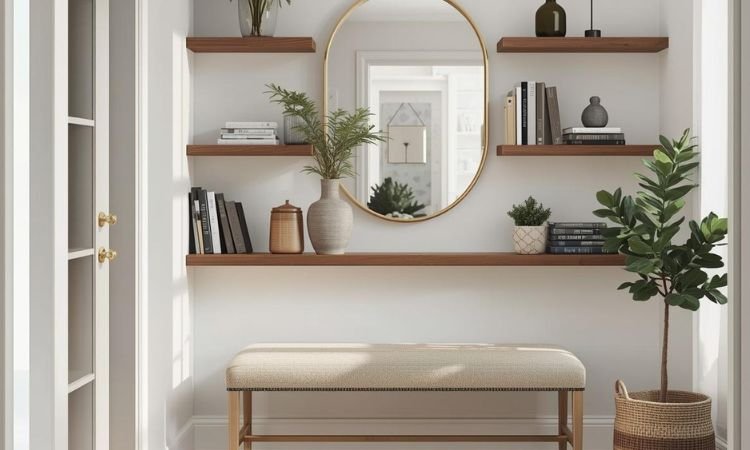
Very Small Entryway Ideas That Maximize Tight Spaces
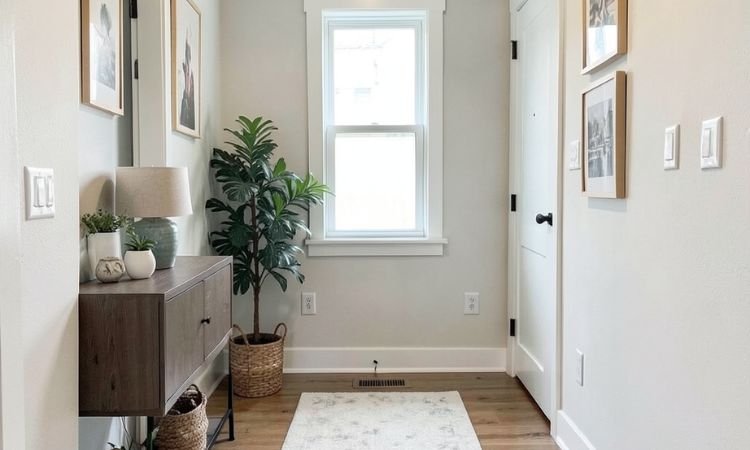
Your entryway barely exists—you walk straight into your living room with nowhere for coats, shoes, or keys. The tiny space feels chaotic and cluttered despite being just a few square feet. You need functional storage and welcoming first impressions but have almost no room to work with.
Smart very small entryway design creates organization and style in minimal square footage.
I’m covering 11 space-saving approaches from wall-mounted solutions and slim furniture to visual tricks and multi-purpose pieces. You’ll see which solutions fit impossibly tight spaces, how to create storage without bulk, and layouts making tiny entries feel intentional.
Maximizing Minimal Entryway Spaces
Vertical Thinking Saves Space: Wall-mounted storage and tall narrow furniture utilize height instead of consuming floor area. Upward solutions create capacity without spreading outward horizontally.
Multi-Function Pieces Work Harder: Furniture serving multiple purposes justifies space consumption through dual utility. Versatile items deliver more value per square inch occupied.
Visual Tricks Expand Perception: Mirrors, light colors, and strategic design make small entryways feel larger than actual dimensions. Optical expansion creates breathing room psychologically.
Slim Profiles Prevent Crowding: Shallow furniture and flat storage solutions add function without overwhelming tight spaces. Depth awareness prevents narrow entries from becoming impassable.
Very Small Entryway Ideas That Maximize Tight Spaces
Maximize tiny entries with these very small entryway ideas featuring compact smart solutions.
Wall-Mounted Coat Rack
Install decorative coat racks directly on walls providing hanging storage without floor footprint. The mounted hooks hold coats and bags vertically. It’s like pegboards refined where walls become closets.
Choose styles with shelf above for additional storage. Space 12-16 inches apart. This very small entryway idea maximizes vertical wall space.
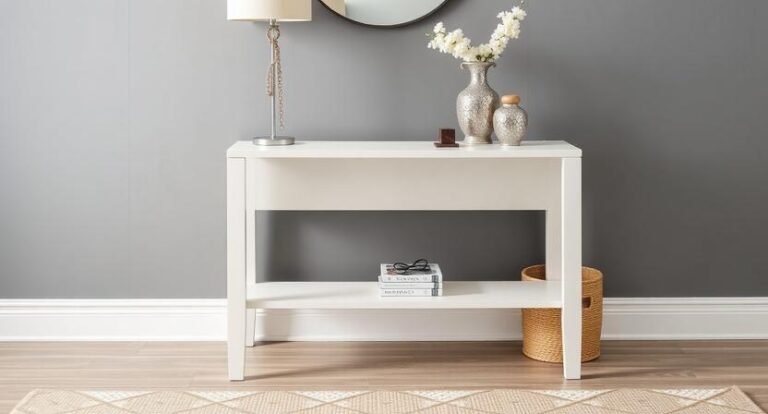
Narrow Console Table
Use ultra-slim console tables measuring 8-10 inches deep providing surface without blocking passage. The shallow tables hold keys and mail functionally. It’s like ledges where minimal depth works.
Choose wall-mounted or very slim-legged styles. Keep styling minimal preventing clutter. This very small entryway idea adds function carefully.
Over-Door Organizer
Hang over-door organizers creating instant storage without installation or floor space consumption. The hidden systems utilize door backs. It’s like secret storage where doors become functional.
Store shoes, accessories, or cleaning supplies. Choose slim designs preventing door closing issues. This very small entryway idea claims unused door space.
Floor-To-Ceiling Mirror
Mount large mirror from floor to ceiling reflecting light and doubling perceived space visually. The full-height reflection creates significant expansion illusion. It’s like windows where mirrors open walls.
Position opposite entry door or beside it. Keep frame minimal or frameless. This very small entryway idea dramatically expands tiny spaces.
Floating Shelf With Hooks
Install floating shelf with hooks underneath combining display storage with hanging capacity. The dual-level approach maximizes single wall section. It’s like bunk beds where layers multiply function.
Keep shelf 8-10 inches deep. Add basket on shelf for small items. This very small entryway idea delivers double functionality.
Slim Shoe Cabinet
Use narrow shoe cabinets with tilting drawers storing footwear in minimal depth. The vertical storage hides shoes neatly without bulk. It’s like filing cabinets where shoes stand upright.
Choose units 8-12 inches deep maximum. Position beside door if space allows. This very small entryway idea solves shoe storage compactly.
Wall-Mounted Drop Zone
Create wall-mounted drop zones with mail sorter, key hooks, and small shelf organizing essentials. The flat system keeps entries functional without furniture. It’s like command centers where walls organize everything.
Include small basket or tray for miscellaneous items. Keep compact and streamlined. This very small entryway idea maintains organization flatly.
Bench With Storage Underneath
Add slim bench with lift-top or baskets underneath providing seating and hidden storage. The dual-purpose furniture justifies floor space consumption. It’s like toy chests where benches hide storage.
Choose narrow benches 12-14 inches deep maximum. Position against wall. This very small entryway idea combines sitting and storage.
Corner Shelf Unit
Install corner shelves utilizing awkward angles typically wasted in tiny entries. The triangular platforms claim dead space efficiently. It’s like puzzle pieces where corners become useful.
Use 2-3 levels for keys, mail, and decorative items. Keep items minimal. This very small entryway idea maximizes corner geometry.
Pegboard Wall System
Mount pegboard creating customizable storage with hooks and small shelves. The adaptable system reorganizes as needs change. It’s like workshops where flexibility wins.
Paint pegboard matching walls for cohesive look. Add variety of hooks and baskets. This very small entryway idea provides ultimate flexibility.
Light Colors Throughout
Paint walls, trim, and ceiling same light color eliminating visual breaks making spaces feel continuous. The monochromatic approach expands perception. It’s like infinity where uniformity creates spaciousness.
Use whites, creams, or soft grays. Add texture through materials not color. This very small entryway idea maximizes visual space.
Common Tiny Entryway Mistakes And Solutions
Adding Standard-Depth Furniture
Regular furniture overwhelms tiny entryways blocking passage and creating cramped feelings immediately. Solution: Use only furniture under 12 inches deep maintaining minimum 30-inch clearance for comfortable passage.
Ignoring Vertical Potential
Focusing only on floor space wastes valuable wall height leaving storage potential unused. Solution: Install wall-mounted storage, tall narrow furniture, and hooks utilizing full wall height.
Using Dark Heavy Colors
Dark walls make small entries feel smaller and cave-like reducing natural light reflection. Solution: Paint everything light colors—whites, creams, pale grays—reflecting maximum light and expanding perception.
Overcrowding With Decor
Too many decorative items create visual chaos making tiny spaces feel even more cramped. Solution: Choose 1-2 simple pieces maximum maintaining clean streamlined appearance preventing clutter.
Blocking Natural Light
Placing items near windows or covering glass reduces brightness making entries darker and smaller-feeling. Solution: Keep window areas clear and use sheer treatments allowing maximum light penetration.
Frequently Asked Questions About Very Small Entryways
How Do You Make Tiny Entryway Functional?
Use wall-mounted storage—hooks, shelves, drop zones—keeping floors clear while organizing essentials.
Choose multi-functional furniture like benches with storage or console tables with baskets underneath. Utilize door backs with over-door organizers claiming unused space.
What’s The Minimum Space For Entryway?
Technically any space where you enter qualifies as entryway even if just 2-3 feet. Functional entryways work in spaces 3×3 feet minimum allowing small bench or table with wall hooks.
Comfortable entries measure 4×4 feet or larger accommodating furniture without crowding.
Can You Have Entryway In Studio Apartment?
Yes—define entryway zones using area rugs, room dividers, or furniture placement creating visual separation.
Wall-mounted coat racks and slim consoles provide function without consuming precious space. Strategic placement near doors creates entryway feeling.
Maximizing Your Tiny Entry Space
Very small entryway ideas prove that minimal square footage doesn’t prevent functional welcoming entries.
Choose wall-mounted and slim solutions maintaining passage clearance, utilize vertical space aggressively, and use light colors expanding visual perception. Avoid standard furniture or dark colors making tiny spaces feel impossible.
What’s your biggest small entryway challenge? Share your tight space struggles below!