Very Small Shower Room Ideas for Tiny Homes & Apartments
Small shower rooms test your design skills like nothing else. The tight quarters, limited options, and constant battle against feeling cramped make these spaces tricky. Yet getting it right means transforming what could feel like a closet into something surprisingly functional.
Very small shower room ideas show which strategies actually work when space barely exists. The best solutions combine smart layout decisions with visual tricks creating rooms that feel bigger than their square footage. I’ve found that small doesn’t have to mean uncomfortable.
We’re covering 11 very small shower room ideas that maximize tiny spaces. These practical approaches work in real bathrooms, not just magazine shoots, delivering functionality without requiring major renovations.
What Makes Small Shower Rooms Work
Strategic Layout Saves Space: Every inch counts when you’re working with barely-there dimensions. It’s like Tetris where positioning determines what fits. The right layout prevents wasted space while maintaining comfortable movement.
Light Colors Expand Visually: Pale shades bounce light around making walls feel farther apart than they are. It’s like optical illusions where your brain perceives more space. The color psychology works even when you know the trick.
Minimal Fixtures Reduce Clutter: Fewer elements mean less visual competition and more actual usable space. It’s like editing where removal often improves results. The simplified approach prevents overwhelming tiny rooms.
Smart Storage Prevents Chaos: Built-in solutions keep necessities accessible without eating floor space. It’s like secret compartments where everything has hidden homes. The organized approach makes small spaces actually function.
11 Very Small Shower Room Ideas
Make the most of limited square footage with these very small shower room ideas featuring space-maximizing strategies.
Corner Shower Installation
Install a corner shower unit maximizing awkward angles while leaving floor space open. The angled entry fits where standard doors won’t, and neo-angle designs work even better than basic corner models. It’s like using geometry where angles become advantages.
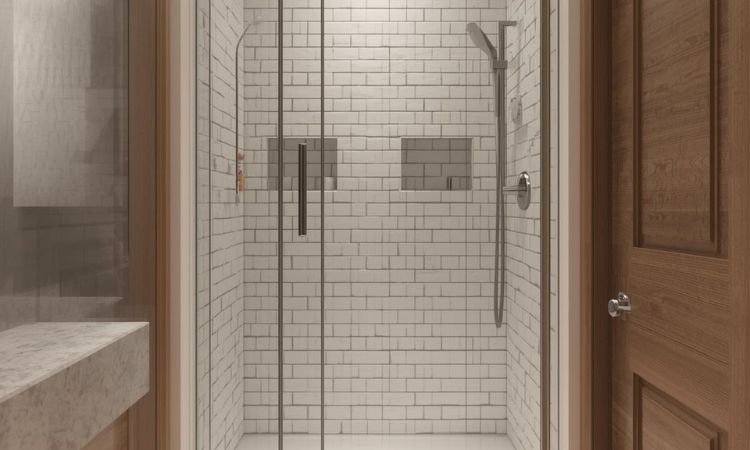
Choose frameless glass doors making the shower feel less boxed-in. Clear glass shows the full space instead of chopping rooms visually. This very small shower room essential opens up sight lines while claiming minimal footprint.
Wall-Mounted Everything
Mount your toilet, sink, and storage off the floor creating visual breathing room. The floating fixtures make floors look bigger by showing continuous tile underneath. It’s like creating the illusion of space through what you reveal rather than hide.
I mean, the cleaning benefits alone make this worth it—no more awkward mopping around bases. Choose slim-profile wall-hung toilets and compact sinks rated for small spaces. This very small shower room trick delivers both visual expansion and practical benefits.
Large Format Tiles
Use bigger tiles—think 12×24 or larger—reducing grout lines that chop up surfaces. The fewer interruptions make walls and floors read as continuous planes. It’s like using fewer seams where unity creates spaciousness.
Honestly, this goes against intuition since people assume small spaces need small tiles. But here’s the thing—large tiles with minimal grout actually make rooms feel bigger. This very small shower room strategy works better than the mosaic approach most people default to.
Floor-to-Ceiling Tile
Take your tile all the way up instead of stopping partway. The uninterrupted vertical lines draw eyes upward making ceilings feel higher. It’s like wearing vertical stripes where the pattern elongates.
Choose light or neutral colors preventing overwhelming effects in tight quarters. The continuous surface also simplifies waterproofing and creates spa-like vibes. This very small shower room move adds perceived height without construction changes.
Recessed Storage Niches
Build storage directly into walls instead of adding shelves jutting outward. The recessed cubbies hold necessities without stealing precious inches. It’s like carving space from thickness you already have.
Position niches at comfortable heights—around chest level works for most people. Tile inside them matching or contrasting with walls depending on your style. This very small shower room solution adds function without adding bulk.
Sliding or Pocket Doors
Replace swinging doors with sliders or pocket doors eliminating clearance requirements. Standard doors need 30+ inches of swing space you probably don’t have. It’s like recovering square footage you didn’t know was trapped.
Barn-style sliders work outside the room, pocket doors disappear into walls. Both options free up space for fixtures or movement. This very small shower room change makes layouts that seemed impossible suddenly work.
Frameless Glass Enclosure
Choose completely frameless glass creating visual continuity instead of chunky metal breaking up space. The clear barrier contains water without announcing boundaries loudly. It’s like invisible walls where protection doesn’t mean prison.
And honestly, frameless just looks more expensive and spa-like regardless of space constraints. The hardware costs more upfront but the openness factor pays off. This very small shower room investment delivers the biggest visual return.
Single Accent Wall
Paint or tile one wall in a darker or bolder color while keeping others light. The accent creates depth and interest without overwhelming. It’s like adding dimension through contrast rather than uniformity.
Choose the wall opposite the entry so it draws eyes through the space. Avoid dark colors on all sides which close rooms in. This very small shower room technique adds personality without sacrificing openness.
Curbless Shower Entry
Skip the raised threshold creating seamless floor transitions from room to shower. The continuous surface makes everything feel more open and spacious. It’s like removing barriers where flow matters more than separation.
You know what? This also improves accessibility and just looks more modern. The drainage requires proper floor sloping but the visual payoff justifies the extra planning. This very small shower room upgrade makes the whole space feel less chopped up.
Vertical Storage Solutions
Add tall, narrow storage units or ladder shelves using vertical space without hogging floor area. The upward approach keeps necessities accessible while maintaining openness below. It’s like building up instead of out where the strategy matches constraints.
Over-toilet storage racks work great here too—that dead space above tanks becomes useful. Choose slim profiles preventing rooms from feeling crowded. This very small shower room tactic maximizes storage without sacrificing movement space.
Strategic Mirror Placement
Hang a large mirror opposite your shower or across from the entry reflecting light and views. The reflection doubles perceived space through visual trickery. It’s like adding square footage through psychology.
I’ve found that bigger mirrors work better than collections of small ones in tight spaces. Go as large as your wall allows for maximum impact. This very small shower room classic never stops working no matter how many times designers use it.
Making Small Shower Rooms Actually Work
Prioritize What Matters Most: Decide which features you absolutely need versus nice-to-haves. It’s like budgeting where trade-offs happen. The focused approach prevents cramming too much into limited space.
Use Light Strategically: Add multiple light sources preventing dark corners that shrink spaces. It’s like layering where variety matters. The well-lit approach makes even tiny rooms feel more open.
Keep It Simple: Resist adding decorative elements that clutter surfaces or sightlines. It’s like minimalism where less actually becomes more. The restraint prevents overwhelming small spaces.
Maximize Vertical Space: Use walls from floor to ceiling instead of focusing only on eye level. It’s like claiming overlooked real estate. The vertical thinking expands functional capacity significantly.
Frequently Asked Questions About Very Small Shower Rooms
What’s The Minimum Size For A Shower Room?
Building codes typically require 30×30 inches for shower stalls, though 32×32 or 36×36 feels more comfortable.
The absolute minimum means tight quarters—you’ll be touching walls constantly. Add a few inches if possible making the space actually usable rather than technically legal.
Let’s be real though—code minimums rarely feel good in practice. Aim for 36 inches if you have any flexibility. The extra few inches make surprising differences in daily comfort.
Should You Use Dark Colors In Small Spaces?
You can use dark accents strategically without making rooms feel cave-like. One dark wall with three light ones adds depth without closing things in. Dark floors with light walls work too since they ground spaces without pressing inward.
But here’s what I’ve learned—save the moody dark schemes for larger bathrooms where they create drama instead of claustrophobia. Small spaces benefit more from light and bright approaches.
How Do You Ventilate Tiny Shower Rooms?
Install the most powerful exhaust fan your space allows—look for models rated 50+ CFM for small bathrooms. The strong ventilation prevents moisture problems that happen faster in compact spaces. Run fans during showers and for 20 minutes after.
Consider adding a small window if possible providing natural ventilation and light. The fresh air exchange helps even when you’re using fans. Proper ventilation isn’t optional in small wet spaces—it’s essential.
What About Storage In Small Shower Rooms?
Built-in solutions work best—recessed niches, corner shelves, or wall-mounted cabinets. Keep daily necessities in the shower itself using shower caddies or built-in ledges. Store backup supplies outside the room since you won’t have linen closet space.
I mean, be ruthless about what actually needs shower room storage. Limiting what’s in the space prevents clutter from overwhelming it. The edited approach keeps small rooms functional.
Can You Make A Small Shower Room Accessible?
Yes—curbless entries, wall-mounted seats, and grab bars all fit in small spaces. The key is planning these features from the start rather than retrofitting later. Choose space-efficient fixtures like wall-hung toilets creating maneuvering room.
Work with accessibility specialists ensuring modifications actually meet needs without wasting space. The thoughtful design creates both function and openness.
Making Your Small Shower Room Work
Very small shower room ideas prove that limited square footage doesn’t mean limited functionality. The smart strategies maximize what you have through layout efficiency and visual tricks. I’ve found that the right approaches make tiny bathrooms feel surprisingly adequate.
Start with the biggest impact changes—frameless glass, wall-mounted fixtures, large tiles. Add storage solutions that don’t steal floor space. The layered improvements transform cramped quarters into spaces that actually work daily.
What’s your biggest small shower room challenge? Share your space-saving tricks below!