Tiny Ensuite Shower Room Ideas That Actually Feel Spacious
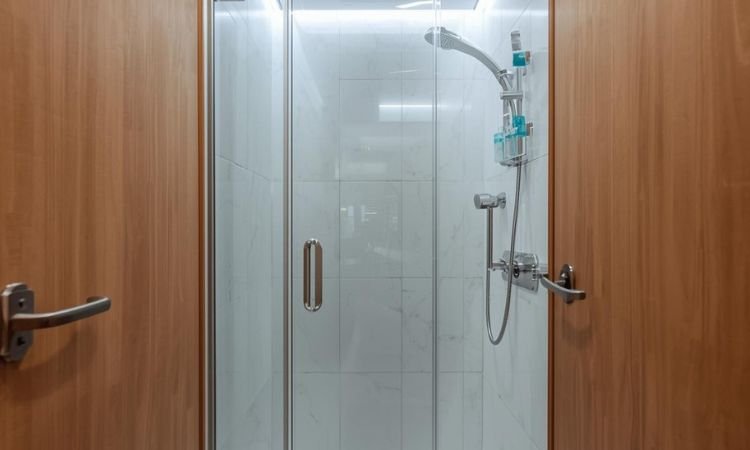
Your ensuite’s barely bigger than a closet and you’re trying to fit a functional shower in there. The tight quarters make every fixture feel like it’s crowding the next one, and you’re starting to think maybe an ensuite wasn’t such a great idea after all. But here’s the reality—tons of homes have tiny ensuites that people use daily without losing their minds.
The difference between a cramped disaster and a surprisingly workable space comes down to smart choices. Tiny ensuite shower rooms need careful planning where each decision affects how the whole space functions and feels. Get it right and you’ll have a private bathroom that works way better than its square footage suggests.
I’m covering everything from wet room conversions and corner installations to glass choices, storage tricks, and fixture selection. You’ll learn which layouts maximize tight spaces, how to create visual openness, where to splurge versus save, and what mistakes to avoid. These strategies work in real ensuites where you’re dealing with actual space constraints, not fantasy budgets with moveable walls.
What Makes Tiny Ensuite Shower Rooms Function
Layout Efficiency Determines Success: Where you place fixtures matters more in tiny spaces than large ones since poor positioning wastes the little space you have. It’s like Tetris where arrangement determines what fits. The thoughtful layout prevents functionality problems that plague cramped bathrooms.
Glass Creates Visual Space: Clear enclosures let your eyes travel through the entire room rather than stopping at opaque barriers. It’s like removing walls where transparency expands perception. The see-through approach prevents the boxed-in feeling that makes small spaces suffocating.
Light Multiplies Impact: Bright spaces always feel bigger than dark ones regardless of actual dimensions. It’s like amplification where illumination changes how rooms register mentally. The well-lit approach makes tiny ensuites feel less cave-like.
Storage Integration Prevents Clutter: Built-in solutions handle necessities without adding visual mess that overwhelms small rooms. It’s like hidden organization where everything has places that don’t show. The contained approach keeps tiny spaces from feeling chaotic.
Tiny Ensuite Shower Room Ideas That Actually Feel Spacious
Transform cramped quarters with these tiny ensuite shower room ideas featuring space-maximizing strategies.
Full Wet Room Design
Convert your entire tiny ensuite into a waterproofed wet room eliminating shower enclosures completely. The wide-open design removes all visual barriers making the space feel dramatically larger. It’s like going completely open where the whole room serves as your shower area.
Waterproof everything from floor to ceiling and install a linear drain with proper sloping. This works best in really small ensuites where even a glass enclosure would dominate. This tiny ensuite shower room solution delivers maximum openness when space is seriously limited.
Compact Corner Shower
Install a neo-angle corner shower claiming awkward angles while leaving maximum floor space open. The angled entry fits better than square corners in tight layouts. It’s like using geometry where creative shapes work better than standard rectangles.
Choose frameless glass keeping the enclosure as invisible as possible. The corner placement leaves the center of your ensuite open for movement. This tiny ensuite shower room approach balances enclosure needs with space efficiency perfectly.
Frameless Glass All Around
Use completely frameless glass with minimal hardware creating the cleanest possible look. The absence of chunky frames prevents visual clutter that makes small spaces feel smaller. It’s like removing everything unnecessary where simplicity expands.
Keep all glass crystal clear rather than frosted so sightlines travel uninterrupted. The hardware should be slim chrome or brushed nickel maintaining the minimal aesthetic. This tiny ensuite shower room choice delivers maximum visual openness.
Wall-Mounted Everything
Mount your toilet, sink, and storage off the floor showing continuous flooring underneath. The floating fixtures make floors look bigger by revealing more surface area. It’s like creating breathing room where what you show matters as much as what you install.
Wall-hung toilets and sinks also make cleaning way easier since there’s no base to mop around. Choose compact models specifically designed for small spaces. This tiny ensuite shower room strategy expands visual space while improving functionality.
Large Format Floor Tiles
Use big tiles—12×24 or larger—on floors reducing grout lines that chop up surfaces. The fewer interruptions make floors read as continuous planes rather than patchworks. It’s like minimizing seams where unity creates spaciousness.
Run the same tiles from shower floor into the main bathroom area if you’re doing a wet room. This creates ultimate continuity. This tiny ensuite shower room detail costs nothing extra but delivers noticeable visual expansion.
Floor-to-Ceiling Wall Tile
Take your wall tile all the way to the ceiling instead of stopping partway. The uninterrupted vertical surfaces draw eyes upward making ceilings feel higher. It’s like vertical stripes where the pattern elongates.
Use light colors preventing the full-height tile from feeling overwhelming. The continuous surface also simplifies waterproofing in shower areas. This tiny ensuite shower room move adds perceived height without any construction changes.
Recessed Everything
Build storage niches, medicine cabinets, and shelving directly into walls instead of surface-mounting anything. The recessed elements provide function without protruding into your limited space. It’s like carving from wall thickness instead of stealing room volume.
Plan these during construction or renovation since adding them later gets complicated. Position niches at comfortable heights for actual use. This tiny ensuite shower room essential maximizes storage without adding bulk.
Sliding Shower Door
Use a sliding door instead of a hinged one eliminating swing clearance requirements. Standard shower doors need 24-30 inches of space to open—space you definitely don’t have. It’s like recovering square footage trapped by door swings.
Bypass sliders work in the tightest situations since they require zero clearance beyond the shower footprint. The space savings often make impossible layouts suddenly workable. This tiny ensuite shower room upgrade frequently solves layout problems nothing else can.
Monochromatic Color Scheme
Paint walls, ceiling, and trim the same light color removing visual breaks that fragment space. The unified approach makes boundaries blur together instead of announcing themselves. It’s like erasing lines where continuity expands perception.
White or soft gray work best, though pale beige or blue can work too. Add visual interest through texture and fixtures rather than color changes. This tiny ensuite shower room strategy maximizes visual flow.
Oversized Wall Mirror
Hang the biggest mirror your wall allows—ideally extending from countertop to ceiling. The reflection doubles perceived space while bouncing light around. It’s like adding square footage through optical illusion.
Go bigger than feels comfortable since oversized mirrors work better in small spaces than properly proportioned ones. Extend it wall-to-wall if possible for maximum impact. This tiny ensuite shower room classic never fails to expand spaces visually.
Linear Drain Installation
Install a linear drain along one wall instead of a center drain allowing simpler floor sloping. The modern system looks sleeker while improving drainage efficiency. It’s like streamlining where contemporary design meets better function.
Linear drains also let you use larger format tiles without complex cutting around center drains. Position it opposite the shower entry for the most gradual slope. This tiny ensuite shower room detail improves both appearance and performance.
Curbless Shower Entry
Skip the raised threshold creating seamless transitions from bathroom to shower. The continuous floor makes everything feel more open and connected. It’s like removing barriers where flow beats separation.
This also improves accessibility and just looks more contemporary than traditional stepped showers. The drainage requires proper floor sloping but the visual payoff justifies careful planning. This tiny ensuite shower room upgrade makes the whole space feel less chopped up.
Making Tiny Ensuites Actually Work
Prioritize What You Actually Need: Skip features you won’t really use focusing on essentials that matter daily. It’s like ruthless editing where removal often improves results. The focused approach prevents cramming too much into limited space.
Use Light Strategically: Install multiple light sources preventing dark corners that shrink spaces psychologically. It’s like layering where variety beats single fixtures. The well-lit approach makes even tiny rooms feel more open.
Keep Surfaces Clear: Store everything possible behind closed doors or in drawers maintaining clean counters and floors. It’s like minimalism where less visible stuff creates calm. The tidy approach prevents small spaces from feeling overwhelming.
Choose Compact Fixtures: Select toilets, sinks, and showers specifically sized for small spaces rather than standard dimensions. It’s like shopping petite where proportions matter more than anything. The right-sized fixtures prevent overwhelming tiny rooms.
Frequently Asked Questions About Tiny Ensuite Shower Rooms
What’s The Minimum Size For An Ensuite With Shower?
You need roughly 5×7 feet minimum for a functional ensuite including a shower, toilet, and small sink. That gives you a 36-inch shower, compact toilet, and pedestal sink with minimal clearances. Anything smaller gets really uncomfortable for regular use, though technically you could squeeze into 4×6 feet if you’re desperate.
Building codes vary by location, so check your local requirements before finalizing plans. Some areas have specific clearance requirements around fixtures that affect minimum dimensions. Add even 6-12 extra inches to length or width if you possibly can—those few inches make surprising differences in how cramped things feel daily.
Should You Skip Storage In Tiny Ensuites?
No—you still need storage, but it requires creative solutions rather than traditional vanities. Use recessed medicine cabinets, wall-mounted shelves, built-in shower niches, and over-toilet storage maximizing vertical space. Keep only daily essentials in the ensuite storing backup supplies elsewhere in your home.
The ruthless editing prevents clutter from overwhelming limited space while still giving you functional storage. Wall-mounted solutions work better than floor cabinets since they don’t consume precious floor space. The vertical thinking matches the constraints you’re working with.
How Do You Ventilate Such Small Spaces?
Install the most powerful exhaust fan that fits—look for 80-100 CFM ratings for ensuites under 50 square feet. Small wet spaces trap moisture faster leading to mold problems if ventilation’s inadequate. Run fans during showers and for 30 minutes afterward fully clearing humidity.
Add a window if your layout allows providing natural ventilation and light. Even small windows help with air exchange and brightness. Proper ventilation isn’t optional in tiny wet spaces—it’s essential for preventing moisture damage and maintaining air quality.
What About Resale Value Of Tiny Ensuites?
Ensuites generally add value even when they’re small since buyers appreciate the convenience and privacy of attached bathrooms. The key is making them functional rather than claustrophobic through smart design choices. A well-designed tiny ensuite beats a poorly planned larger bathroom.
That said, don’t sacrifice bedroom space to the point where the bedroom becomes too small. Balance matters—if adding an ensuite shrinks the bedroom below 10×12 feet, reconsider whether it’s worth it. The combined value of both spaces matters more than just having an ensuite checkbox.
Can You Fit A Toilet And Sink With The Shower?
Yes—even in very small ensuites you can fit all three fixtures with careful planning. Use corner showers (36×36 inches), wall-hung toilets (24-27 inches deep), and compact pedestal sinks (15-18 inches wide). The combined layout fits in roughly 5×7 feet with tight but functional clearances.
Position fixtures thoughtfully—typically shower in one corner, toilet on an adjacent wall, and sink on the remaining wall or opposite the shower. Sliding or pocket doors prevent door swings from blocking fixtures. The efficient layout makes all three elements work without constant collisions.
Creating Your Functional Tiny Ensuite
Tiny ensuite shower room ideas prove that limited square footage doesn’t eliminate the possibility of private attached bathrooms. The smart strategies maximize every inch through efficient layouts, visual expansion tricks, and careful fixture selection. I’ve found that the right choices transform cramped ensuites into surprisingly workable spaces you’ll actually enjoy using.
Start with the layout—figure out what truly fits before buying anything. Choose compact fixtures designed for small spaces and install frameless glass creating visual openness. Add storage through built-in solutions that don’t steal floor space. The layered approach creates ensuites that function well despite tight dimensions.
What’s your biggest tiny ensuite challenge? Share your space-saving tricks below!