11 Spring Flower Pots Ideas That Bring Fresh Color Without Overwhelming Small Spaces
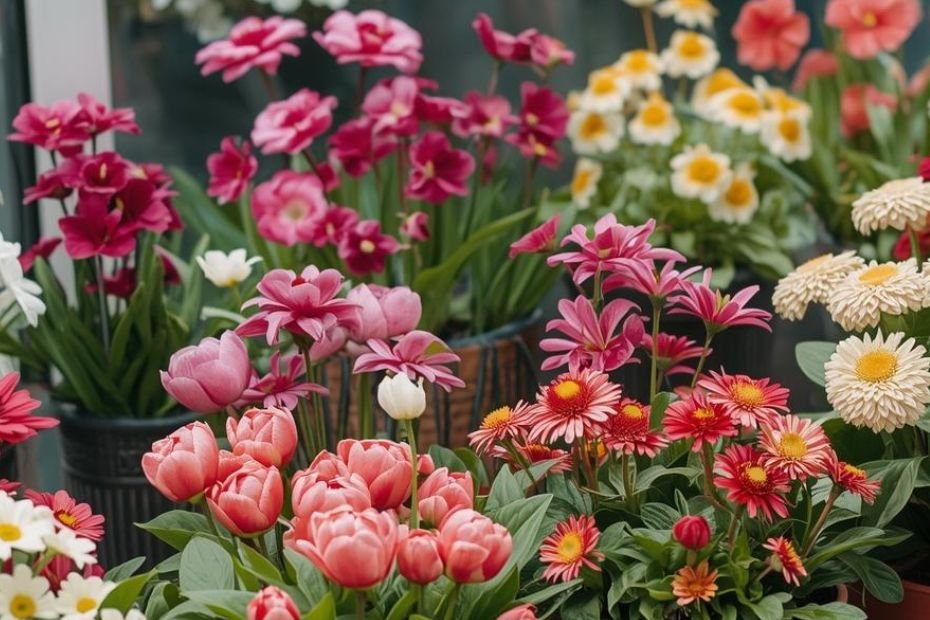
Spring flower pots don’t need to be fussy or oversized to make an impact. In compact areas like balconies, patios, or entry steps—often just 2’x3′ to 4’x6′—the right container combines seasonal color, low maintenance, and smart scale.
The goal is cheerful but controlled: blooms that last for weeks, not days, in pots that fit your space and schedule.
Forget overcrowded “thriller-filler-spiller” combos that wilt by May. These 11 ideas focus on simple pairings, durable materials, and spring-hardy plants that thrive in early-season sun and cool nights—so your pots look fresh from March through June.
Why Simplicity Wins in Spring
Cool temps favor hardy annuals: Pansies, violas, and snapdragons bloom in 40°F–65°F weather.
Less is more in small spaces: One bold pot beats three mismatched ones.
Drainage prevents rot: Spring rain demands holes—not just saucers.
Size matters: Pots under 12″ diameter dry out fast; 10″–14″ is the sweet spot.
11 Spring Flower Pots Ideas That Bring Fresh Color Without Overwhelming Small Spaces
All concepts work in containers as small as 8″–14″ diameter and suit urban or suburban settings.
1. Monochrome Pansy Pot in Terracotta
Plant a single variety of pansies—like ‘Matrix Blue’ or ‘Frizzle Sizzle Red’—in a 12″ unglazed terracotta pot with drainage holes.
Pansies tolerate frost, bloom nonstop in cool sun, and need only deadheading once a week to stay full and bright.
2. Viola Cluster in Weathered Wood Box
Fill a shallow wooden window box (6″ deep) with trailing violas in purple, yellow, or white—they’re smaller than pansies but bloom longer and handle light shade.
Use a lightweight potting mix and water when the top inch feels dry; violas prefer consistent moisture but hate soggy roots.
3. Tulip and Grape Hyacinth Combo in Ceramic
Plant pre-chilled tulip bulbs with grape hyacinths in a 14″ glazed ceramic pot in fall for early spring bloom—tall tulips over fragrant blue hyacinths.
After flowering, cut stems but leave foliage to die back naturally; reuse the pot for summer annuals once bulbs go dormant.
4. Dwarf Daffodils in Matte Black Planter
Choose short varieties like ‘Tête-à-Tête’ or ‘February Gold’ and plant 5–7 bulbs in a 12″ matte black fiberglass pot for sunny porches or steps.
Daffodils are deer- and rodent-proof, need zero fertilizer, and multiply yearly if left undisturbed after blooming.
5. Snapdragons in Vertical Pocket Planter
Install a fabric pocket planter on a railing or wall and fill each pouch with dwarf snapdragons in coral, white, or rose—they love cool air and attract early pollinators.
Deadhead spent spikes to encourage rebloom, and avoid afternoon sun in zones warmer than USDA 7.
6. Primrose Bowl in Glazed Ceramic
Place a 10″ wide bowl of primroses in soft pink, yellow, or lavender on a shaded porch or entry table—they thrive in cool, moist conditions and bloom for 6+ weeks.
Keep soil evenly moist (not wet) and protect from wind; primroses fade fast in heat or dry air.
7. Sweet Alyssum Spiller in Railing Planter
Plant sweet alyssum along the front edge of a railing trough to create a cloud of tiny white or purple flowers that spill over and release honey-like fragrance.
Pair with upright tulips or daffodils behind it for height, or let it stand alone for a minimalist, cascading effect.
8. Ornamental Kale and Pansy Mix in Stone Pot
Combine curly ornamental kale (purple or white) with yellow pansies in a 14″ stone or concrete pot for long-lasting texture and color from late winter through spring.
Kale provides structure even after pansies fade, and both tolerate light frosts without damage.
9. Single Hyacinth Bulb in Small Ceramic Vase
Force a single hyacinth bulb in a 6″ wide ceramic pot with drainage for intense fragrance and bold color on a windowsill or side table.
Plant in fall for March bloom; after flowering, discard or plant outdoors—forced bulbs rarely rebloom indoors.
10. Dwarf Iris and Creeping Phlox Duo
Plant dwarf bearded iris (‘Little Blue Eyes’) with creeping phlox in a 12″ pot for early spring color—iris offers upright blooms, phlox creates a soft groundcover base.
Both prefer full sun and well-drained soil; avoid overwatering once established.
11. All-White Spring Trio in Matte White Pot
Combine white tulips, white alyssum, and white violas in a 14″ matte white fiberglass pot for a clean, luminous look that brightens shady corners.
This monochromatic scheme reflects light beautifully and feels fresh without being loud or overly sweet.
Common Mistakes and Fixes
- Using pots without drainage
Fix: Always choose containers with holes. Add gravel at the base if needed, but never skip drainage.
- Overcrowding with too many plants
Fix: Limit to 1–3 types per pot. More causes competition for light and water.
- Planting summer annuals too early
Fix: Stick to cold-tolerant spring bloomers until night temps stay above 50°F.
- Ignoring light requirements
Fix: Full sun = 6+ hrs direct light; partial = 3–6 hrs. Match plants accordingly—pansies like sun, primroses prefer shade.
- Skipping deadheading
Fix: Pinch off spent blooms weekly to extend flowering by 2–4 weeks.
Let Spring Speak Softly
A great spring pot isn’t about volume—it’s about timing, tone, and restraint. Choose one strong color, one good pot, and plants that thrive in cool air. The result will feel alive, not arranged.
Have you planted spring pots this year? Did you go for pansies, tulips, or a simple viola cluster? Share your favorite combo—or biggest lesson—in the comments. We’d love to hear what’s blooming outside your door.