Small Bathroom Stand Up Shower Ideas That Maximize Your Space
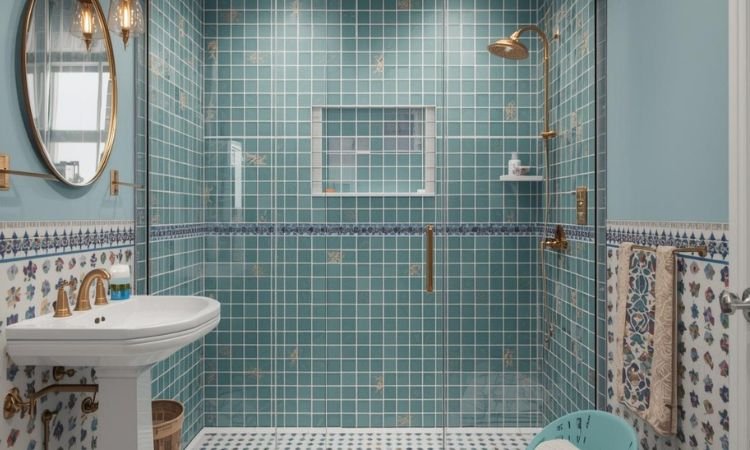
Your bathroom’s too small for a decent shower, or at least that’s what it feels like when you’re trying to figure out what’ll actually fit. The space is tight, the layout’s awkward, and every design choice feels like picking the least-bad option. We’ve all been there—stuck with a cramped bathroom that fights you at every turn.
Here’s the thing though—stand up showers actually solve more problems than they create in small bathrooms. Unlike space-hogging tubs, they give you room to breathe while still delivering a functional shower experience. The right approach turns what feels impossible into something that actually works daily.
I’m covering everything from frameless glass installations and curbless walk-ins to smart storage solutions and lighting tricks. You’ll see how to maximize corners, choose the right doors, pick tiles that expand space visually, and add comfort features without sacrificing precious square footage. These aren’t magazine-perfect ideas that only work in theory—they’re practical solutions for real bathrooms where every inch matters.
What Makes Stand Up Showers Work in Small Bathrooms
Smaller Footprint Than Tubs: Stand up showers need 36-48 inches compared to tubs requiring 60 inches minimum. It’s like choosing compact cars where smaller dimensions unlock better maneuverability. The reduced footprint leaves room for other essential fixtures.
Flexible Placement Options: Corner installations and custom sizing let showers fit awkward spaces tubs can’t accommodate. It’s like puzzle pieces where flexibility beats rigid dimensions. The adaptable approach works with existing layouts instead of fighting them.
Visual Openness Matters: Glass enclosures show the entire bathroom rather than blocking views with shower curtains or opaque doors. It’s like transparency where seeing through creates spaciousness. The open feeling prevents claustrophobic vibes.
Accessibility Advantages: Low or no thresholds make stand up showers easier to enter than climbing over tub edges. It’s like removing barriers where ease of use improves daily function. The accessible design benefits everyone regardless of mobility.
Small Bathroom Stand Up Shower Ideas That Maximize Your Space
Make the most of limited space with these small bathroom stand up shower ideas featuring smart design strategies.
Frameless Glass Corner Shower
Install a frameless glass corner shower maximizing awkward angles while keeping sightlines open. The clear enclosure shows your entire bathroom instead of chopping it into separate zones. It’s like using transparency where visual continuity expands perceived space.
Choose neo-angle designs for really tight corners—they claim less floor space than standard right angles. Keep all hardware minimal and chrome for the cleanest look. This small bathroom stand up shower solution balances enclosure with openness perfectly.
Curbless Walk-In Design
Create a curbless walk-in shower with continuous flooring from bathroom to shower area. The seamless transition eliminates visual breaks that make spaces feel smaller. It’s like removing boundaries where flow matters more than separation.
You know what? This also prevents tripping hazards and looks way more modern than traditional stepped showers. The drainage requires proper floor sloping but the open effect justifies the extra planning. This small bathroom stand up shower upgrade makes everything feel more spacious.
Sliding Glass Doors
Use sliding doors instead of swinging ones eliminating clearance requirements. Standard shower doors need 24-30 inches of swing space you probably don’t have. It’s like recovering square footage you didn’t realize was trapped.
And honestly, sliders just make more sense in tight bathrooms where every inch counts. Choose bypass sliders for the slimmest profile. This small bathroom stand up shower choice prevents door swings from hitting toilets or sinks.
White Subway Tile Walls
Cover shower walls in classic white subway tile creating brightness and timeless appeal. The light color reflects light making the shower feel larger while the simple pattern prevents visual clutter. It’s like using basics where simplicity expands rather than limits.
Run tiles in vertical patterns drawing eyes upward if you want extra height perception. The affordable option also makes future updates easier since subway tile never goes out of style. This small bathroom stand up shower material delivers maximum brightness and versatility.
Linear Drain Installation
Install a linear drain along one wall instead of a center drain allowing single-slope floors. The modern system creates sleeker looks while improving water flow. It’s like streamlining where efficiency meets aesthetics.
Linear drains also let you use larger format tiles without complex cutting around center drains. Position the drain opposite the entry for the most gradual slope. This small bathroom stand up shower detail improves both function and appearance.
Built-In Bench Seating
Add a built-in corner bench providing seating without stealing floor space. The tiled seat blends into walls creating functional luxury in tight quarters. It’s like hidden furniture where integration beats addition.
Keep benches around 18 inches deep and 18 inches high for comfortable sitting. They also work great for leg-shaving and holding products. This small bathroom stand up shower feature adds comfort without consuming precious square footage.
Recessed Shower Niches
Build storage niches directly into shower walls instead of using hanging caddies or shelves. The built-in cubbies hold necessities without protruding into shower space. It’s like carving storage from wall thickness instead of room volume.
Plan for 2-3 niches at different heights—one at chest level for daily products, another lower for larger bottles. Tile inside them with accent tiles if you want visual interest. This small bathroom stand up shower essential provides storage without adding bulk.
Large Format Tile Floors
Use large tiles—12×24 or bigger—on shower floors reducing grout lines that chop up space. The fewer interruptions make floors read as continuous surfaces. It’s like minimizing seams where unity creates the illusion of more space.
I mean, this goes against what most people think since they assume small spaces need small tiles. But large format with minimal grout actually expands visual space. This small bathroom stand up shower strategy delivers cleaner looks and easier maintenance.
Vertical Accent Stripe
Add a vertical accent stripe in contrasting tile drawing eyes upward and adding personality. The vertical line creates height perception while breaking up monotony. It’s like an exclamation point where one bold element adds interest without overwhelming.
Run the stripe from floor to ceiling in a complementary color or contrasting texture. Keep it to one stripe preventing the pattern from feeling busy. This small bathroom stand up shower detail adds character without sacrificing spaciousness.
Handheld Shower Combo
Install a combination fixed showerhead and handheld spray offering flexibility without multiple fixtures. The dual setup provides options without cluttering walls with separate components. It’s like getting two functions from one installation point.
Mount the handheld on a slide bar letting you adjust height easily. The handheld also makes cleaning shower walls way easier. This small bathroom stand up shower upgrade adds versatility without adding visual clutter.
Clear Glass Shelf
Add a single glass corner shelf instead of multiple metal racks keeping storage minimal and transparent. The glass disappears visually while still holding necessities. It’s like invisible storage where function doesn’t create bulk.
Choose tempered glass rated for wet environments and keep it to one shelf preventing clutter buildup. The minimalist approach maintains the open feeling frameless enclosures create. This small bathroom stand up shower accessory provides storage without blocking views.
Making Stand Up Showers Work in Small Spaces
Prioritize Clear Glass: Choose completely clear glass over frosted or patterned options showing your full bathroom. It’s like removing visual barriers where transparency expands. The open enclosures make small spaces feel less confined.
Keep Colors Light: Use white or light neutral tiles reflecting maximum light and creating brightness. It’s like amplifying illumination where pale colors bounce light around. The bright approach prevents dark, cave-like feelings.
Minimize Fixtures: Install only essential shower fixtures preventing walls from looking cluttered. It’s like editing where less becomes more. The simplified approach maintains clean sightlines.
Plan Drainage Carefully: Ensure proper floor sloping preventing standing water in already tight spaces. It’s like foundations where getting basics right matters most. The correct drainage keeps showers functional long-term.
Frequently Asked Questions About Small Bathroom Stand Up Showers
What’s The Minimum Size For A Stand Up Shower?
Building codes typically require 30×30 inches minimum, though 36×36 inches feels more comfortable for daily use. You’ll constantly touch walls in a 30-inch shower making it feel cramped.
If you can squeeze out even 6 extra inches, it makes noticeable differences in comfort. The 36-48 inch range offers the best balance between space efficiency and usability for most people.
Should You Choose A Prefab Or Custom Shower?
Prefab units cost less and install faster—they’re great if standard sizes fit your space. Custom showers let you maximize every inch of awkward layouts but cost significantly more.
I’ve found that prefab works fine for straightforward layouts while custom makes sense when you’re dealing with unusual dimensions or specific design visions.
Let’s be real though—if budget matters and a standard size fits, prefab delivers solid value. Save the custom route for when you truly need it.
How Do You Prevent Water Damage?
Proper waterproofing matters more than anything else—use waterproof membrane under all tile and ensure correct installation. Slope floors correctly toward drains preventing standing water. Run exhaust fans during showers and for 30 minutes after removing humidity. Seal grout annually and fix any cracks immediately before water gets behind tiles.
The prevention work costs way less than fixing water damage later. Don’t skip waterproofing steps even if they feel excessive.
What Lighting Works Best?
Install LED recessed lights rated for wet locations directly above the shower providing bright, even illumination. Add a dimmer switch letting you adjust brightness for different moods. Avoid placing lights where they create glare on glass doors. The right lighting makes small showers feel more open and luxurious.
You know what also helps? Adding a light outside the shower focused on the shower area giving you layered lighting options.
Can You Add A Seat In A Small Shower?
Yes—corner benches work in showers as small as 36×36 inches though they’re more comfortable in 42-inch or larger spaces. Built-in benches integrated into walls save more space than fold-down seats.
Keep benches around 18 inches deep and position them where they don’t block the showerhead spray pattern. The added seating improves comfort without dominating small showers.
Creating Your Perfect Small Bathroom Stand Up Shower
Small bathroom stand up shower ideas prove that limited space doesn’t mean limited comfort. The smart strategies maximize tight quarters through efficient design and visual expansion tricks. I’ve found that stand up showers often work better than tubs in small bathrooms both functionally and visually.
Start with the right enclosure—frameless glass creates the most open feeling. Add storage through built-in niches rather than hanging accessories. Choose light colors and large format tiles expanding visual space. The layered approach transforms cramped showers into surprisingly comfortable daily spaces.
What’s your biggest stand up shower challenge? Share your small bathroom solutions below!