Mountain Craftsman Style Homes Ideas That Blend Rustic Charm With Alpine Beauty

Your mountain property deserves architecture that actually belongs there instead of looking like suburban Craftsman bungalow awkwardly transplanted to alpine setting with zero consideration for dramatic terrain, extreme weather, spectacular views, or that essential rugged mountain character requiring completely different approach than flat urban lots where original Craftsman style developed over century ago.
Mountain Craftsman style homes succeed by adapting Arts and Crafts principles to alpine conditions—embracing steeper roof pitches handling heavy snow, incorporating stone and timber reflecting natural surroundings, maximizing window placement capturing stunning vistas, and scaling proportions to dramatic landscape creating homes that feel genuinely rooted in mountain environment versus generic Craftsman templates awkwardly imposed on terrain.
We’re covering mountain Craftsman style homes ideas featuring appropriate materials, proper proportions, and climate-specific details. You’ll discover roof considerations, stone and timber integration, and window strategies. We’re exploring site-sensitive placement, view orientation, and weather-resistant construction. Plus budget considerations, regional variations, and design principles creating mountain homes that honor Craftsman heritage while responding authentically to alpine setting and dramatic natural environment.
What Makes Mountain Craftsman Different
- Steeper Roof Pitches Handle Snow Load: Mountain conditions require 8:12 to 12:12 pitch roofs shedding heavy snow versus typical 4:12 to 6:12 suburban pitches. Structural requirements differ dramatically. Proper pitch prevents dangerous accumulation and structural failure.
- Stone and Timber Dominate Material Palette: Native stone foundations, timber framing, and log accents connect homes to landscape while providing appropriate durability. Local materials create regional character. Honest natural materials honor both Craftsman and mountain traditions.
- Window Placement Prioritizes Views and Light: Strategic glazing captures mountain vistas and maximizes natural light in often-shaded forest settings. View orientation drives design. Thoughtful placement connects interior to dramatic exterior.
- Scale Adjusts to Landscape Proportions: Mountain homes require larger scale matching dramatic terrain and distant views versus intimate urban lot relationships. Proportional thinking accounts for context. Appropriate sizing creates harmony with surroundings.
Mountain Craftsman Style Homes Ideas
Create authentic alpine Craftsman homes with these mountain Craftsman style homes ideas featuring site-appropriate design.
Heavy Timber Frame Construction
Feature exposed timber framing using substantial beams and posts creating structural and decorative elements. Douglas fir, cedar, or reclaimed timber beams measuring 8×8 to 12×12 inches provide necessary strength and rustic character. The visible structure honors Craftsman philosophy celebrating honest construction.
The heavy timber adds $30-50 per square foot to construction costs but delivers genuine mountain character and structural integrity. Position beams on covered porches, great rooms, and key interior spaces showcasing craftsmanship. Include timber brackets, knee braces, and decorative joinery adding detail and strength. The substantial construction feels appropriately scaled to mountain setting.
Stone Veneer Foundations and Accents
Cover foundations, chimneys, and lower exterior walls with native stone veneer creating visual weight and connection to landscape. Fieldstone, river rock, or regional stone varieties ground homes literally and visually. The natural material withstands weather while adding rustic character.
Stone application costs $20-35 per square foot creating lasting beauty and appropriate mountain aesthetic. Extend stone to porch columns, outdoor fireplaces, or retaining walls creating material continuity. The substantial base anchors homes to sites while providing excellent durability and low maintenance.
Steep Gabled Roofs with Deep Overhangs
Design roofs with 10:12 or steeper pitches creating dramatic profiles and effective snow shedding. Include 24-30 inch overhangs protecting walls from weather and providing covered outdoor spaces. The pronounced eaves create signature Craftsman shadows while serving practical purposes.
The appropriate roof design costs minimally more than standard pitches while delivering essential performance. Include exposed rafter tails or decorative brackets adding Craftsman detail and mountain character. Metal roofing in charcoal or forest green provides longevity and excellent snow shedding. The proper roof creates both aesthetic and functional success.
Expansive Window Walls Capturing Views
Install floor-to-ceiling windows or multi-panel sliding doors on view sides maximizing visual connection to mountains, forests, or valleys. The generous glazing brings landscape indoors while flooding interiors with natural light. Modern energy-efficient glass provides views without excessive heat loss.
The window investment adds $15,000-40,000 depending on scope but transforms mountain living experience. Position windows capturing best views while considering solar orientation and privacy. Include window seats or built-in benches creating spots enjoying vistas. The generous glazing creates homes celebrating mountain setting versus ignoring dramatic context.
Covered Wraparound or Deep Front Porches
Design substantial covered porches providing protected outdoor living and weather transition zones. Include depth minimum 10-12 feet accommodating furniture and circulation. Timber posts, stone bases, and exposed beams create mountain Craftsman character.
The generous porch adds $25-50 per square foot creating valuable outdoor living space. Include ceiling fans, lighting, and outdoor fireplaces extending usability through seasons. The covered space provides shelter from summer sun and winter storms while creating welcoming entry transition. The substantial porch feels appropriately scaled to mountain setting.
Mixed Siding Creating Textural Interest
Combine board-and-batten siding on gable ends with lap siding on main walls creating material variety and visual hierarchy. Add stone wainscoting or timber accents breaking up siding monotony. The mixed materials add depth and mountain character.
The varied application costs similarly to single-material approaches while delivering substantially more visual interest. Choose natural or stained finishes versus painted surfaces maintaining organic mountain aesthetic. Include timber corner boards and window trim adding Craftsman detail. The layered materials create homes feeling collected and appropriate versus generic suburban templates.
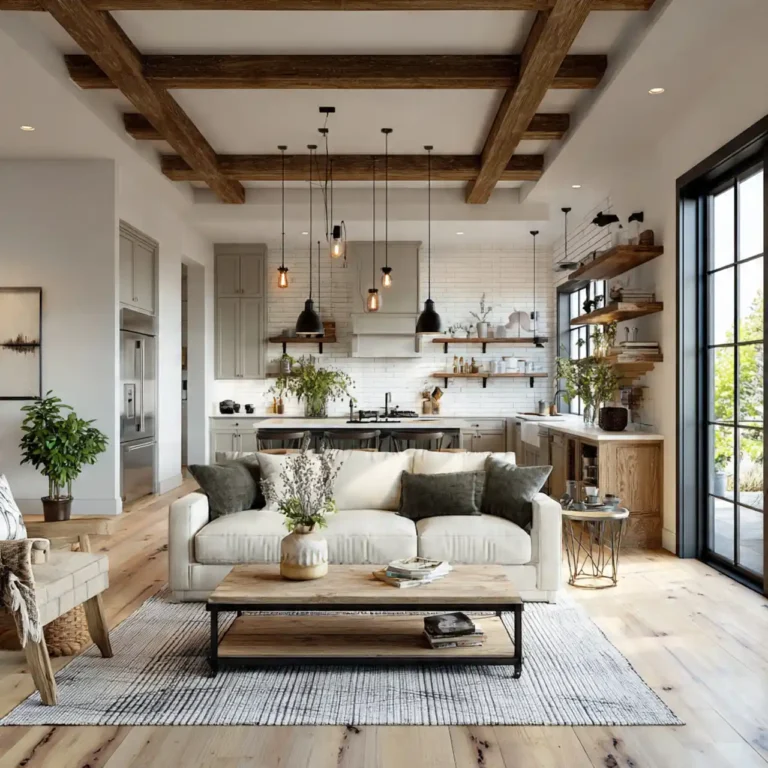
Great Room with Vaulted Timber Ceiling
Create dramatic great room with exposed timber ceiling following roof lines and showcasing structural beauty. The soaring space captures mountain grandeur while exposed beams add warmth and craftsmanship. Include stone fireplace and generous windows completing mountain gathering space.
The impressive room becomes home centerpiece and gathering focal point. Costs increase through volume and structural exposure but create signature mountain experience. Include log or timber trusses adding architectural interest and structural expression. The dramatic space honors both Craftsman and mountain lodge traditions.
Natural Wood Siding Aging to Silver Gray
Use natural cedar or cypress siding allowing weathering to authentic silvery patina versus painted finishes requiring maintenance. The aged wood creates organic connection to forest surroundings. Craftsman principles honor natural materials and honest aging.
The natural approach eliminates painting costs and maintenance while developing beautiful character over time. Accept weathering as intentional design choice versus deterioration requiring correction. Seal wood initially protecting while allowing natural aging process. The organic finish feels appropriate to mountain setting and sustainable philosophy.
Stone Fireplace as Interior Focal Point
Feature massive stone fireplace using river rock or native fieldstone creating rustic centerpiece and practical heating. Extend stonework floor to ceiling creating dramatic presence and thermal mass. Include timber mantel and decorative details adding craftsmanship.
The substantial fireplace costs $8,000-20,000 becoming architectural feature and functional heating element. Position centrally in great room or visible from multiple spaces maximizing impact. Include wood storage, built-in seating, or adjacent windows creating complete hearth composition. The impressive feature anchors home and provides mountain gathering focus.
Walkout Basement Levels Utilizing Slope
Design homes incorporating natural slope creating walkout lower levels with full light and access. The multi-level approach maximizes mountain site potential while reducing grading costs. Lower levels gain full window walls and outdoor access versus dark buried basements.
The site-responsive design works with terrain versus fighting topography reducing costs and environmental impact. Position main living levels capturing best views while lower levels access different outdoor areas. The vertical arrangement creates homes responding authentically to mountain sites.
Exterior Lighting Highlighting Architecture
Include quality exterior lighting washing stone and timber elements, illuminating pathways, and creating evening drama. Copper or bronze fixtures develop natural patina complementing natural materials. Adequate lighting provides safety and showcases architectural details.
The lighting investment costs $3,000-8,000 creating beautiful evening presentation and practical illumination. Use warm color temperatures maintaining inviting appearance. Highlight key architectural features—stone chimneys, timber entries, gable details—creating nighttime interest. The thoughtful lighting extends enjoyment and showcases craftsmanship.
Designing Mountain Craftsman Successfully
- Respond to Site Specifically Always: Design homes addressing actual topography, views, solar orientation, and access versus imposing predetermined plans. Site-sensitive design creates appropriate solutions. Generic templates fail mountain contexts.
- Embrace Natural Materials and Finishes: Use stone, timber, natural wood, and honest materials connecting to landscape and honoring Craftsman principles. Material authenticity creates character and durability. Synthetic alternatives feel inappropriate.
- Scale Appropriately to Mountain Context: Design homes matching landscape drama and distant views versus intimate urban proportions. Proper scale creates harmony. Undersized homes disappear while appropriate sizing creates presence.
- Plan for Extreme Weather Conditions: Address heavy snow, high winds, intense sun, and temperature extremes through proper construction and materials. Climate response ensures performance. Mountain conditions demand specialized approaches.
Frequently Asked Questions About Mountain Craftsman Style Homes
How Much Do Mountain Craftsman Homes Cost?
Basic mountain Craftsman homes cost $250-350 per square foot including site work. Custom timber frame or high-end finishes cost $350-500+ per square foot reflecting quality materials, challenging sites, and specialized construction.
Mountain construction costs exceed suburban building 20-40% through site access, weather delays, material transport, and specialized requirements. Budget accordingly recognizing mountain-specific challenges affecting costs and timelines.
What Roof Pitch Works for Heavy Snow?
Minimum 8:12 pitch recommended for moderate snow regions. Heavy snow areas need 10:12 or steeper ensuring effective shedding. Metal roofing performs excellently allowing snow sliding versus accumulating dangerously.
Consult local building codes and engineers determining appropriate pitch for specific location and snowfall patterns. Proper pitch prevents structural overload and dangerous avalanches from roofs protecting property and occupants.
Should Homes Be Built With Logs?
Not necessarily—heavy timber framing provides mountain character with better insulation and easier maintenance than full log construction. Timber frame allows conventional wall systems with superior energy performance.
Log accents—posts, beams, decorative elements—create mountain character without log home limitations. Hybrid approaches deliver aesthetic goals with practical performance meeting contemporary comfort and efficiency expectations.
How Do You Maximize Mountain Views?
Orient main living spaces and large windows toward best views. Use open floor plans minimizing interior walls obstructing sight lines. Include window walls, corner windows, or clerestory glazing capturing panoramas.
Balance view windows with privacy and solar considerations. Not all orientations suit large glass areas. Strategic placement captures views while managing sun, privacy, and energy performance creating comfortable beautiful homes.
What Materials Work Best for Mountain Weather?
Stone, metal roofing, cedar or cypress siding, and quality timber withstand mountain conditions excellently. Avoid materials requiring frequent maintenance or failing in extreme conditions. Choose durable proven materials.
Natural materials age beautifully developing patina versus deteriorating. Quality construction details—proper flashing, drainage, ventilation—ensure any material performing well. Durability and appropriate detailing matter more than specific material selection.
Build Your Mountain Craftsman Dream
Mountain Craftsman style homes succeed by adapting Arts and Crafts principles to alpine conditions through appropriate materials, proper proportions, and climate-responsive design. Stone and timber, steep roofs, generous windows, and site-sensitive placement create homes authentically rooted in mountain settings while honoring Craftsman heritage.
Respond to specific site conditions and views. Use natural durable materials appropriate to climate. Scale homes matching dramatic landscape. Address weather through proper construction. Your beautiful mountain Craftsman home awaits!
Which mountain Craftsman element would you prioritize for your alpine property? Share your mountain home dreams below!