Mediterranean Farmhouse Exterior Ideas That Blend Rustic Warmth and Sun-Drenched Simplicity
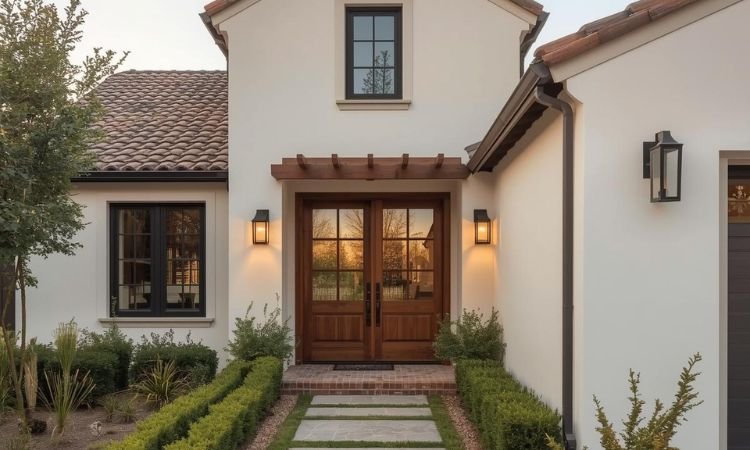
A Mediterranean farmhouse draws from rural homes in southern France, Italy, and Spain, think stucco walls, clay tile roofs, and wrought iron, not ornate arches or bright colors.
These homes use local materials like limestone, terracotta, and aged wood to create a look that feels sun-bleached, not staged. Most range from 2,000 to 3,500 sq ft, with deep eaves, shaded courtyards, and asymmetrical layouts that respond to climate and terrain.
Forget decorative columns or fake shutters. Authentic Mediterranean farmhouses prioritize function: thick walls for insulation, overhangs for shade, and outdoor rooms for living. These 11 ideas focus on earthy textures, warm neutrals, and time-tested details that work in dry, sunny climates.
Why This Style Stands Apart
Stucco over siding: Smooth or textured plaster walls breathe and age gracefully in heat.
Clay tile roofs last decades: Their curve sheds rain and reflects sunlight, keeping interiors cool.
Outdoor rooms are essential: Courtyards, loggias, and covered patios extend living space year-round.
Color stays grounded: Walls are white, cream, or warm gray—not pastel or bright.
11 Mediterranean Farmhouse Exterior Ideas That Blend Rustic Warmth and Sun-Drenched Simplicity
All concepts draw from real rural architecture in the Mediterranean basin and suit standard residential lots.
1. Warm White or Cream Stucco Walls
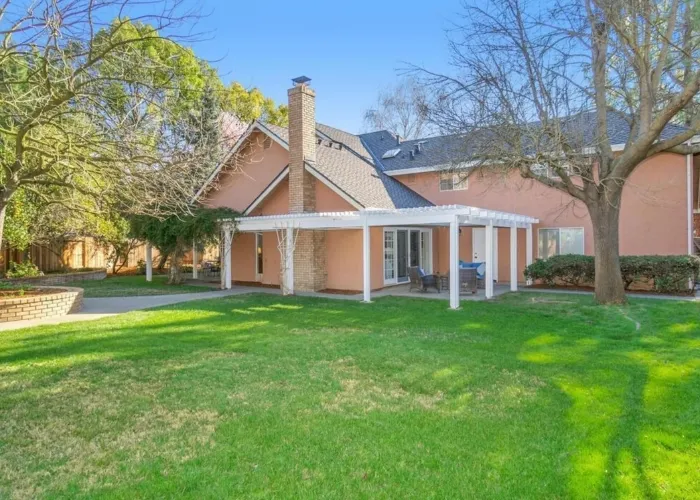
Apply hand-troweled stucco in soft white, oat, or warm gray across all exterior walls for a sun-bleached, organic finish that weathers beautifully.
Avoid smooth, painted surfaces; texture hides imperfections and adds depth under harsh sunlight while reflecting heat better than dark siding.
2. Low-Pitch Clay Tile Roof with Wide Overhangs
Install a gently sloped roof (4:12 to 6:12 pitch) with authentic or composite clay tiles in terracotta, charcoal, or sienna, paired with 24″–36″ eaves to shade walls and windows.
The wide overhangs reduce cooling costs and protect stucco from rain, while the tile’s thermal mass helps regulate indoor temperatures year-round.
3. Wrought Iron Window Grilles and Balconies
Add simple wrought iron grilles to ground-floor windows for security and character, and install narrow balconies with iron railings on upper levels.
Keep designs geometric and minimal—no scrolls or flourishes—and let the metal develop a natural rust patina over time for added authenticity.
4. Asymmetrical Facade with Off-Center Entry
Place the front door where it makes sense for circulation, not for symmetry, and flank it with mismatched windows, a climbing vine, or a stone stoop.
This irregular layout reflects centuries of practical building and prevents the home from feeling like a themed replica.
5. Stone or Gravel Courtyard Instead of Lawn
Replace grass with a gravel, flagstone, or decomposed granite courtyard leading to the entry, edged with low boxwood hedges or olive trees.
This low-water approach suits dry climates and creates a transition zone that feels both private and welcoming without high maintenance.
6. Exposed Timber Beams on Porch or Gable
Incorporate reclaimed or new oak beams on porch ceilings, gable ends, or overhangs, left unfinished or lightly oiled to show grain and age naturally.
The wood adds warmth against stucco and echoes traditional construction methods used in Provence and Tuscany for centuries.
7. Arched Doorways or Window Openings
Introduce gentle arches over the main entry, garage, or select windows using brick or stone lintels—not drywall curves—for subtle regional character.
Keep arches modest in scale; they should feel structural, not decorative, and never appear on every opening.
8. Natural Wood Garage Doors with Iron Straps
Choose vertical tongue-and-groove garage doors in cedar or oak, stained in warm brown or left to weather naturally, with forged iron strap hinges and handles.
The wood complements stucco and tile, while the iron details tie into window grilles and balcony railings for cohesion.
9. Climbing Vines on Walls or Trellises
Train bougainvillea, jasmine, or wisteria up one wall or along a freestanding trellis near the entry using discreet wires or wooden supports.
Let the vine grow freely—no shaping or topiary—and allow seasonal color to soften hard lines without overwhelming the architecture.
10. Terracotta Pots and Olive Trees at Entry
Place large unglazed terracotta pots filled with olive trees, rosemary, or dwarf citrus beside the front door or along pathways for instant Mediterranean character.
Use odd numbers (1 or 3) for balance, and keep plantings low to preserve sightlines and avoid blocking light into windows.
11. Minimal Landscaping with Drought-Tolerant Plants
Plant lavender, santolina, rosemary, and ornamental grasses in gravel mulch beds with no lawn, focusing on structure, fragrance, and silver-green foliage.
This low-water, low-maintenance approach mirrors rural Mediterranean farms and reduces upkeep while enhancing the home’s grounded aesthetic.
Common Mistakes and Fixes
- Using bright or pastel colors
Fix: Stick to warm whites, creams, taupes, and soft grays. Mediterranean farmhouses avoid saturated hues—they lean earthy and muted.
- Adding fake shutters or decorative columns
Fix: Skip non-functional elements. Every detail should serve shade, security, or structure—not just “look old.”
- Choosing asphalt shingles instead of tile
Fix: Use clay or concrete tile—even composite versions—to capture the authentic silhouette and thermal performance.
- Over-landscaping with flowers
Fix: Focus on evergreen structure and fragrance. Flowers are accents, not the foundation.
- Ignoring sun exposure in layout
Fix: Orient courtyards and patios to the north or east for morning light and afternoon shade in hot climates.
Build As It Belongs
A true Mediterranean farmhouse doesn’t announce itself—it settles into the land. Skip the theme-park details. Choose honest materials, let asymmetry breathe, and design for sun and wind. The best homes look like they’ve been there for generations.
Have you incorporated Mediterranean farmhouse elements into your home? Did you go for stucco, clay tile, or wrought iron?
Share your experience in the comments—we’d love to hear how you’ve brought a piece of the sun-drenched countryside to your own plot.