Fun Backyard Ideas For Kids That They’ll Actually Use

Your kids keep saying they’re bored while you’ve got a whole backyard sitting there. You’re tired of hearing “there’s nothing to do” when you literally have outdoor space. But here’s the thing—empty grass doesn’t exactly inspire adventure, does it?
The backyards kids actually use aren’t just pretty landscaping. They’ve got stuff to climb, places to hide, things to build, and areas that feel like they belong to the kids. Not your carefully maintained garden beds—spaces where getting messy and making noise is totally fine.
I’m not talking about turning your yard into a plastic playground explosion from Target. We’re looking at ideas that work for kids AND don’t make your house look like a daycare center. Some are simple weekend projects costing under $100. Others need real investment but get used for years.
Walking through 12 fun backyard ideas for kids that range from basic additions to full transformation projects. You’ll see what works for different ages, which projects you can tackle yourself, how to keep things safe without being paranoid, and ways to design spaces that grow with your kids instead of becoming junk after one summer.
What Makes Kid Backyard Spaces Actually Get Used
- Multiple Activity Options Matter: Kids get bored fast when there’s only one thing to do. It’s like playrooms where variety keeps them engaged longer. Having climbing, digging, building, and hiding spots in one yard means something always appeals.
- Messy Zones Need Definition: Designate areas where dirt, water, and chaos are expected instead of fighting mess everywhere. It’s like craft tables where contained mess beats ruined carpet. Clear boundaries help everyone know what’s okay where.
- Shade Makes Summer Usable: Full-sun yards become unusable by 11am in summer while shaded spaces stay comfortable all day. It’s like parking spots where shade determines whether you actually use them. Trees, pergolas, or shade sails extend play hours significantly.
- Kid-Appropriate Scale Feels Right: Equipment and spaces sized for actual kid bodies work better than adult-scale features they can’t really use yet. It’s like furniture where proportions affect comfort and confidence. Age-appropriate design gets used more and stays safer.
Fun Backyard Ideas For Kids
Create outdoor spaces your kids will actually use with these backyard ideas designed for play, exploration, and making memories.
DIY Backyard Obstacle Course
Set up rotating obstacle course using items you probably already own—pool noodles, hula hoops, cones, rope. The changeable layout keeps things interesting without permanent installation. We’re talking weaving through stakes, crawling under barriers, balancing on boards, jumping through hoops.
Add a timer and suddenly everything’s a competition. Rearrange weekly so it feels new. This costs basically nothing if you’ve got random outdoor stuff, maybe $50-100 buying missing pieces. I’ve found kids will run this stuff until they’re exhausted, which honestly is the whole point.
Sunken Trampoline Installation
Dig hole installing trampoline at ground level eliminating fall height and that backyard eyesore look. The flush installation looks cleaner while being way safer. Yeah, it’s more work than regular trampoline but so much better.
Excavate 3-4 feet deep, ensure proper drainage, create retaining wall, install trampoline flush with grade. This runs $1,200-2,000 DIY or $2,500-4,000 professionally installed. The inground version gets used longer because it doesn’t scream “little kid equipment” as they get older.
Mud Kitchen Station
Build simple outdoor kitchen using old furniture, pots and pans, plastic dishes letting kids play with dirt and water freely. The designated mess zone contains chaos while encouraging creative play. It’s like when you give them pots to bang—embrace the noise.
Use old cabinet, create “sink” from plastic tub, add shelving for supplies, include mud, water bucket, and cooking tools. Total investment $50-150 using mostly recycled stuff. Position somewhere mud doesn’t matter and water drains naturally. This entertains younger kids (2-8) for hours.
Zipline Across Yard
Install cable zipline spanning trees or posts creating backyard thrill ride. The flying sensation never gets old and works for wide age range. I mean, even adults want turns on these things.
Professional installation costs $1,500-3,000 including platforms and proper hardware. DIY kits run $300-600 but require structural knowledge ensuring safety. Needs minimum 30-foot run with proper slope. This is one where hiring professionals makes sense unless you really know what you’re doing.
Natural Play Area with Logs and Boulders
Create adventure zone using large rocks, logs, and stumps arranged for climbing and jumping. The natural materials blend into yards while providing challenge. It’s like nature playgrounds where simple elements spark creativity.
Source boulders from landscaping suppliers ($100-300 depending on size), get logs from tree services often free, arrange creating climbing challenges. Add pea gravel underneath for safer landings. Total cost $300-800 creating space that doesn’t look like equipment but gets used constantly.
DIY Backyard Fort Structure
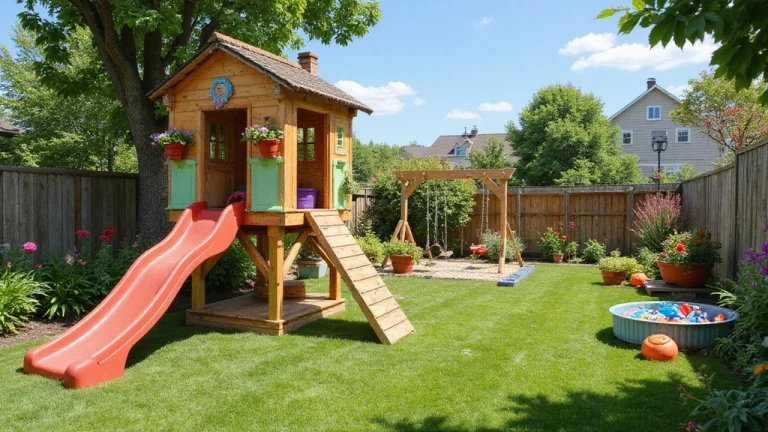
Build simple wooden fort or playhouse giving kids private space. The hideaway becomes headquarters for everything from tea parties to secret clubs. Every kid wants a spot that’s theirs, you know?
Use pressure-treated lumber creating basic 6×8 platform with walls and roof. Include windows, door, maybe small deck. Paint fun colors or let kids decorate. DIY runs $500-1,500 depending on size and features. Pre-made playhouses cost $1,000-3,000 but assembly is usually easier.
Water Play Zone
Designate area for summer water activities—splash pad, sprinklers, kiddie pools, water tables. The wet zone keeps water mess contained while cooling kids off. Just accept this area’s going to be muddy and plan accordingly.
Install splitter on outdoor faucet running multiple sprinklers and toys simultaneously. Create gravel or mulch base draining well. Add storage bench holding pool toys and towels. Setup costs $200-500 making summer actually bearable. The entertainment value per dollar is honestly unmatched.
Raised Garden Beds for Kids
Build small elevated beds letting kids grow their own vegetables or flowers. The ownership factor makes them actually care about watering and watching progress. It’s like when they suddenly eat vegetables they grew themselves.
Construct two 3×3 foot beds at kid-height (18-24 inches), fill with quality soil, let them choose easy plants—cherry tomatoes, sunflowers, pumpkins. Total investment $150-300 creating ongoing activity that teaches stuff. This works surprisingly well with kids who seem too old for “kid activities.”
Tire Swing Installation
Hang classic tire swing from sturdy tree branch creating timeless play equipment. The spinning, swinging motion never stops being fun. And honestly, these look way better than bright plastic swing sets.
Use actual tire or buy commercial tire swing designed for purpose. Needs branch 10-15 feet high, minimum 8-inch diameter, hanging over open space. Hardware costs $30-80, professional hanging runs $100-200 if you’re uncertain about tree safety. This entertains from toddlers through teenagers.
Backyard Camping Area
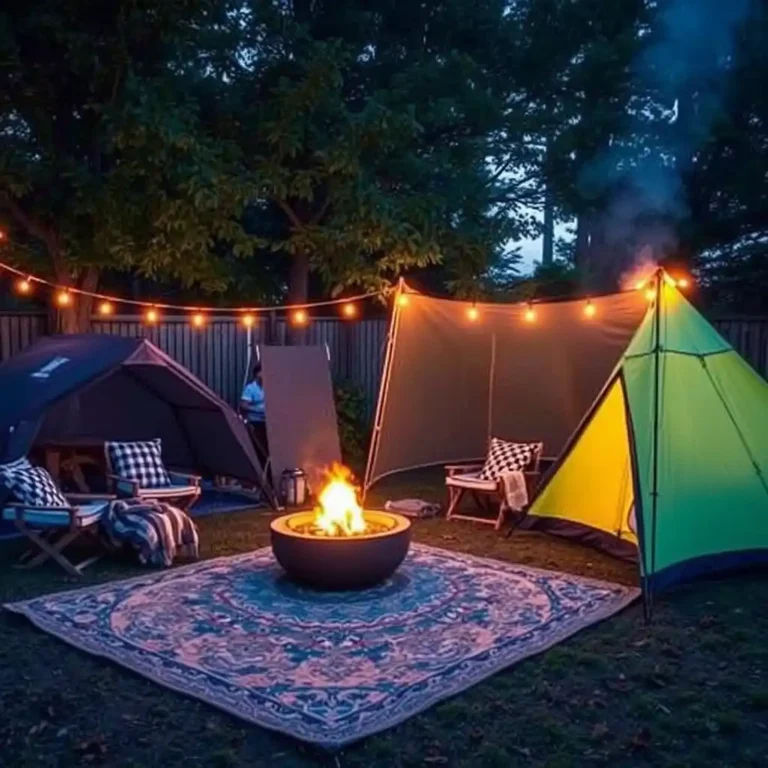
Create dedicated camping zone with firepit, seating, and flat tent space. The overnight backyard adventures feel special without actual wilderness logistics. Sound familiar? Half the fun is being outside, camping doesn’t require driving anywhere.
Build simple firepit ($100-300), level area for tent, add log seating or permanent benches, string lights overhead. Costs $300-600 creating space used for camping, evening fires, and general hanging out. Works for family time and eventually teen gatherings.
Sports Practice Area
Install batting cage, basketball hoop, or soccer goal depending on kid interests. The dedicated practice space encourages skill development without destroying flowerbeds. It’s like having personal practice facility that’s actually convenient.
Basketball hoop runs $200-600 for decent adjustable version. Soccer goals cost $50-200. Batting cage ranges $300-1,000 depending on size and quality. Choose based on what they’re actually into right now, not what you wish they liked.
Sandpit or Digging Zone
Create large sandbox or designated digging area where making holes is encouraged. The excavation freedom lets kids be kids without destroying your entire lawn. Little kids especially love this kind of open-ended play.
Build 8×8 foot frame using landscape timbers, line with landscape fabric, fill with play sand ($150-250 total). Add cover keeping animals out. Include shovels, buckets, toy trucks. Position in partial shade because metal toys in full sun are torture devices. This occupies younger kids (1-8) better than most expensive toys.
Making Kid Spaces Work Long-Term
- Design for Current Age Plus Two Years: Kids outgrow stuff fast so plan for slightly older than they are now. It’s like buying clothes where room to grow makes sense. The forward-thinking approach extends useful life before spaces need reinventing.
- Include Storage from Start: Outdoor toys without storage end up scattered everywhere then broken. It’s like craft supplies where organization determines whether things work. Build or buy weather-resistant storage keeping equipment accessible and protected.
- Prioritize Safety Without Paranoia: Check equipment regularly, maintain proper fall surfaces, ensure structural integrity. It’s like car seats where reasonable precautions make sense. But don’t bubble-wrap everything—kids need some risk learning their limits.
- Let Kids Help Design: They’ll use spaces more when they had input. It’s like bedroom decorating where ownership increases care. Ask what they want, incorporate realistic ideas, let them help build when possible.
Frequently Asked Questions About Kid Backyard Spaces
How Much Should You Spend?
Depends entirely on your budget and yard size. Basic additions like mud kitchen, sandbox, or obstacle course run $100-300. Mid-range projects like DIY fort or inground trampoline cost $1,000-2,000. Major installations like ziplines or full playhouses hit $2,000-5,000+.
Start small seeing what actually gets used before investing thousands. I’ve watched families drop $5,000 on elaborate playsets that get ignored while $200 of logs and dirt occupy kids for hours. Use matters more than cost.
What Works for Multiple Ages?
Natural play areas, ziplines, sports equipment, and camping zones work across wide age ranges. Swing sets and trampolines transition from little kid to tween use pretty well. Specific stuff like baby swings or toddler slides have shorter useful life.
If you’ve got big age gaps, create multiple zones rather than trying for one-size-fits-all. The 12-year-old needs different space than 4-year-old. Give each age group their thing.
How Do You Keep It Looking Good?
Use natural materials and thoughtful placement preventing backyard from looking like daycare. Avoid primary-colored plastic everything. Choose quality equipment over cheap stuff that breaks and looks bad. Include landscaping and screening softening play areas.
Designate toy storage keeping things picked up. Accept that play areas look lived-in—that’s fine. But organization and intentional design prevent yard looking junky.
What About Small Yards?
Prioritize multi-function spaces and vertical play. Wall-mounted climbing holds, fold-down basketball hoop, compact sandbox, or simple swing use space efficiently. Rotating activities—store some toys bringing others out—makes small areas work harder.
Small yards can’t do everything but nail 2-3 good options. Quality over quantity matters more in limited space. And honestly, kids use outdoor space more than you’d think regardless of size.
How Long Until They Outgrow Stuff?
Toddler-specific equipment (baby swings, small slides) last 2-4 years. Elementary age stuff (playhouses, swings, sports goals) works 4-8 years typically. Natural play features and flexible spaces often work from preschool through teen years.
Resale value is pretty good for quality equipment—you’ll recoup 30-50% selling used. Plan on repurposing spaces as kids age. That playhouse becomes teen hangout or storage shed eventually.
Building Your Kid-Friendly Backyard
Fun backyard ideas for kids prove outdoor space becomes family’s favorite zone when designed for actual play instead of just looking nice. The smart combinations encourage active outdoor time instead of screens while giving you spots they can occupy without constant supervision. And let’s be real—tired kids from outdoor play sleep better and complain less.
Start with one project matching your kid’s current obsession and your budget reality. See what actually happens before adding more. The gradual build lets you learn what works for your specific kids instead of guessing.
What does your yard need most? Tell me your kids’ ages and what they’re into—I’ll help figure out what makes sense!