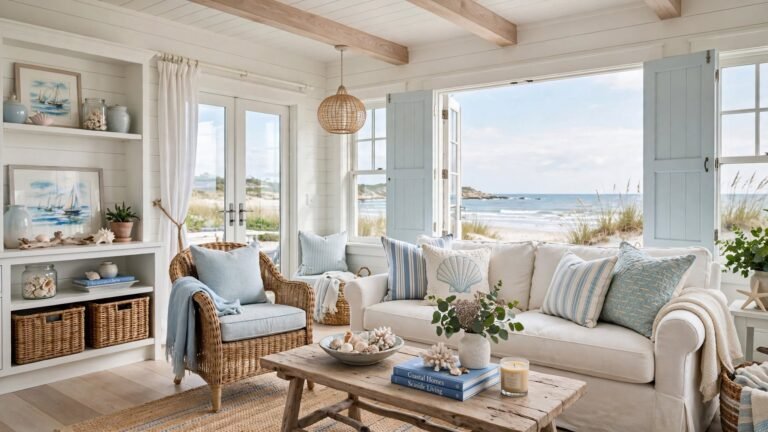
11 French Cottage Decor Ideas That Embrace Rustic Charm Without the Clichés
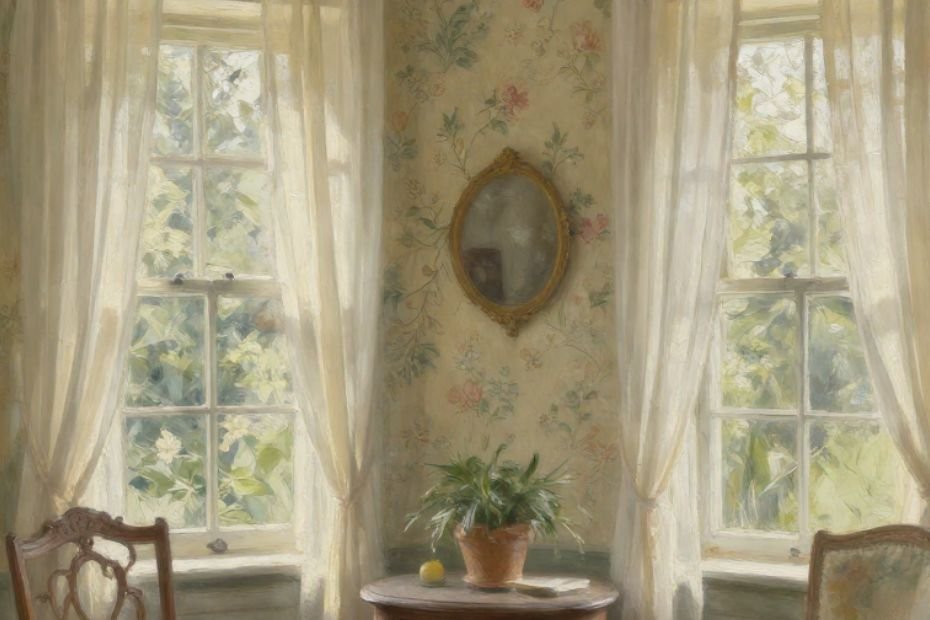
French cottage style isn’t about roosters, lavender fields, or Eiffel Tower trinkets. It’s the quiet beauty of a rural Normandy or Provence farmhouse—where whitewashed walls meet worn oak floors, iron beds hold linen sheets, and every object has been used, loved, and kept for decades.
The look is relaxed, not curated; layered, not staged. In a typical room of 12’x14′, the focus is on comfort, texture, and imperfection—not perfection.
Forget matching sets or “French country” wallpaper. Authentic French cottage decor thrives on mismatched furniture, faded textiles, and functional antiques that tell a story.
These 11 ideas focus on honest materials, soft palettes, and lived-in simplicity so your home feels like it’s been in the family for generations.
Why This Style Feels Timeless
Imperfection is welcome: Scratched wood, frayed linen, and chipped paint add character.
Neutral base with subtle color: Walls are white or cream; color comes from nature—olive green, terracotta, slate blue.
Function over display: A ladder-back chair is for sitting, not styling. A pitcher holds water, not just flowers.
Texture creates depth: Worn wood, rough plaster, and nubby wool replace pattern and gloss.
11 French Cottage Decor Ideas That Embrace Rustic Charm Without the Clichés
All concepts work in small to medium rooms and suit both city apartments and country homes.
1. Whitewashed or Limewashed Walls
Paint walls in a soft white or warm cream with a hint of limewash for subtle texture and depth, never bright or cool white.
This finish reflects northern light beautifully and pairs effortlessly with oak floors and iron furniture without feeling sterile.
2. Unpainted Oak Furniture with Visible Grain
Use solid oak tables, chairs, or armoires with visible grain and natural wax finish—never painted or glossy.
Look for pieces with simple lines: trestle tables, ladder-back chairs, or farm benches that show years of use but remain sturdy.
3. Linen Curtains in Oat or Natural
Hang floor-length linen curtains in undyed oat, flax, or soft white on simple iron rods with rings.
The fabric filters light softly, moves gently in breezes, and wrinkles beautifully—no starched sheers or heavy drapes.
4. Iron Bed Frame with Layered Linens
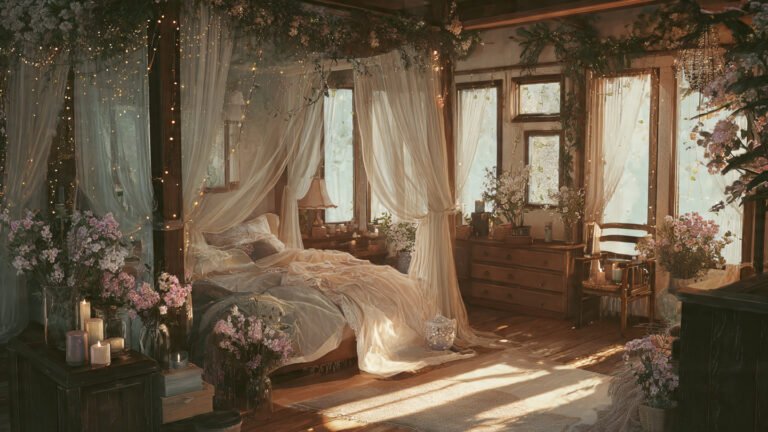
Choose a simple black or wrought iron bed frame with minimal scrollwork and layer with oat-colored linen sheets, a wool blanket, and one lumbar pillow.
Avoid matching duvet sets; instead, mix textures in neutral tones for a collected-over-time feel.
5. Worn Terracotta Floor Tiles or Oak Planks
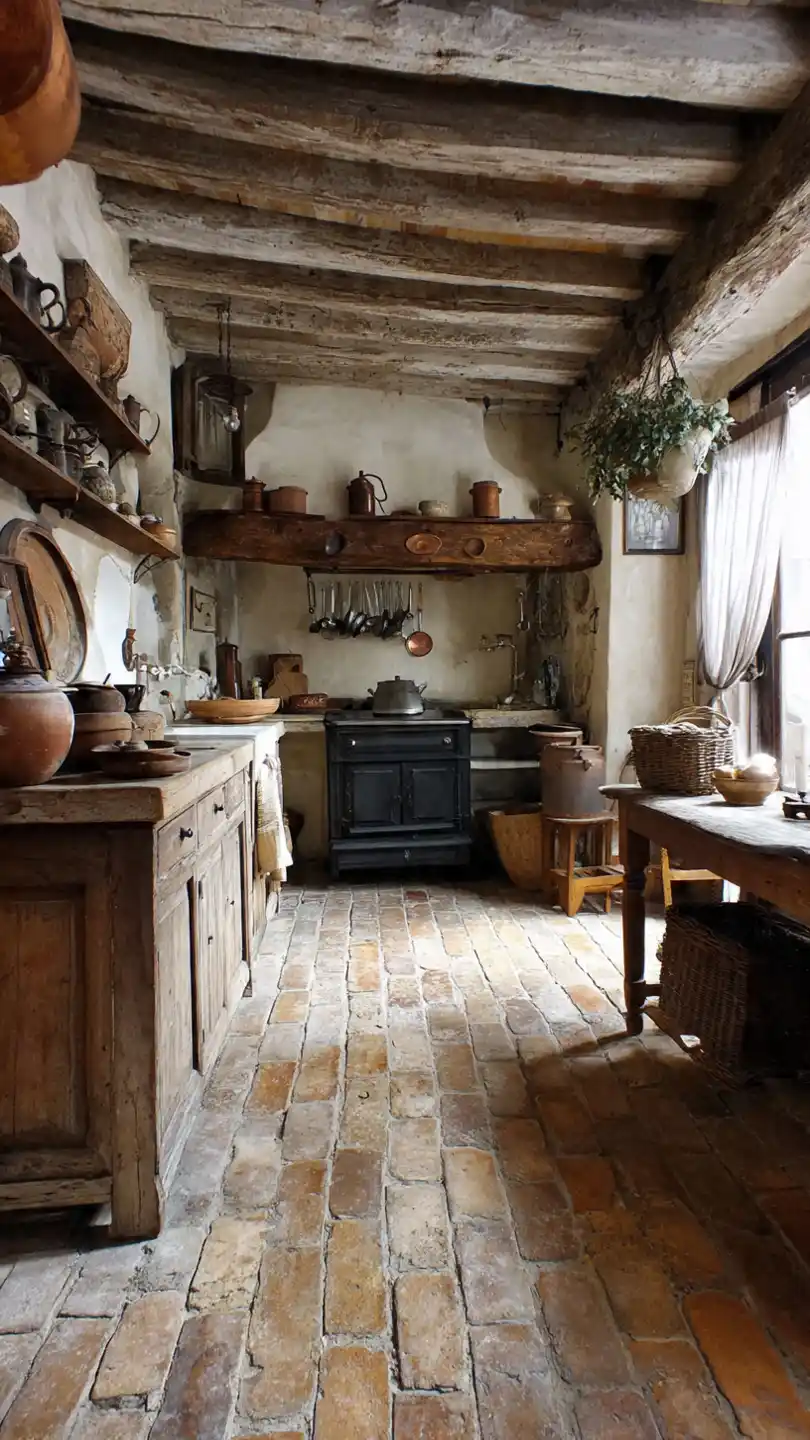
Install wide-plank oak floors with a matte oil finish or authentic terracotta tiles in irregular sizes for grounding warmth.
Both materials age gracefully, hide dust well, and pair naturally with stone fireplaces and plaster walls.
6. Open Shelving Instead of Closed Cabinets
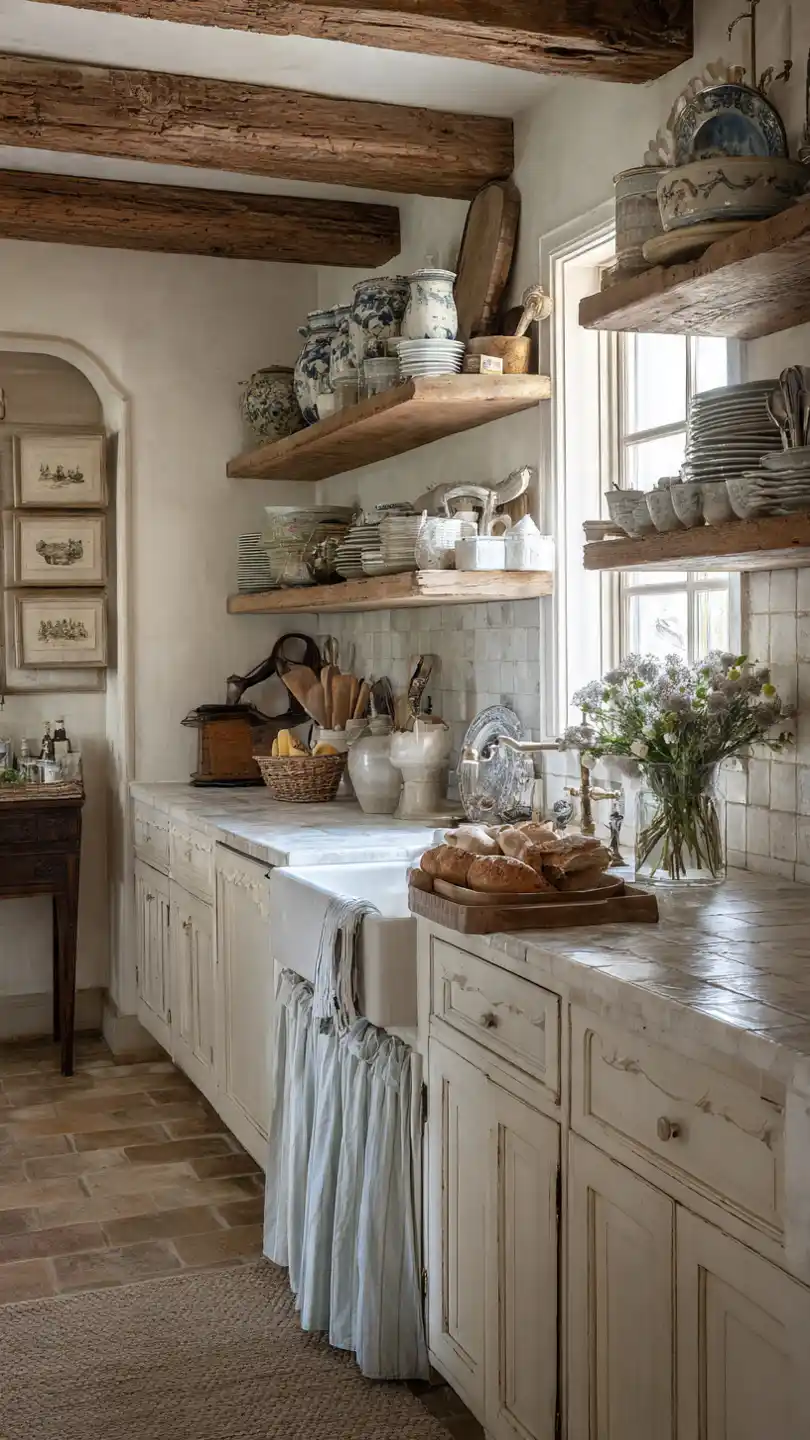
Mount floating shelves or a vintage étagère in the kitchen or living room to display everyday dishes, glassware, and cookbooks.
Keep styling practical—only what you use weekly—and let chips and mismatched patterns tell a story.
7. Single Statement Armoire or Wardrobe
Include one large antique armoire—painted pale gray, olive, or left natural—as a focal point and functional storage piece.
Refinish only enough to make it usable; leave scratches, dents, and original hardware visible as part of its history.
8. Simple Ceramic Vases with Wildflowers
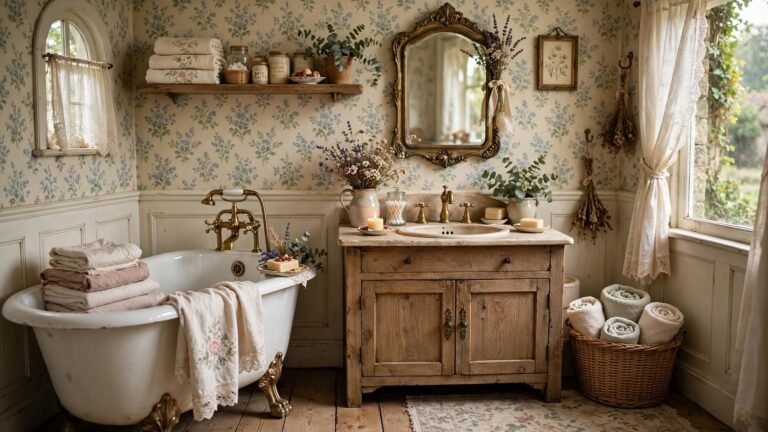
Place a single ceramic pitcher or stoneware vase on a table or mantel filled with garden-cut wildflowers—poppies, daisies, or lavender.
Change blooms weekly, and never arrange them tightly; loose, casual groupings feel more authentic than formal bouquets.
9. Woven Seagrass or Rush Seating
Use rush-seated ladder-back chairs, seagrass stools, or a woven bench at the dining table or foot of the bed.
These natural fiber seats add texture, breathe well in humid climates, and develop a soft patina with use.
10. Minimal Wall Art: One Landscape or Botanical Print
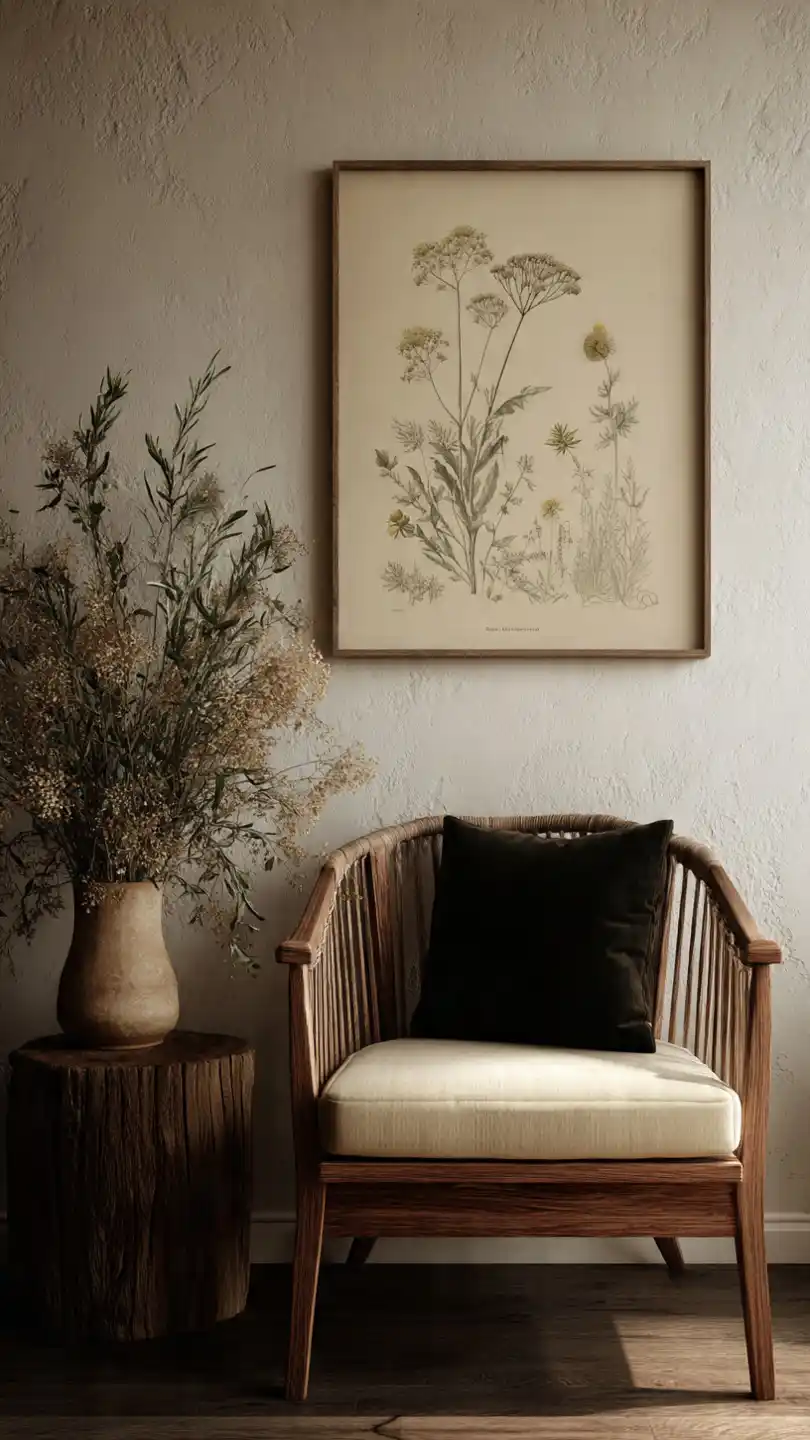
Hang a single framed landscape, botanical engraving, or vintage map in a thin wood or black frame—never ornate gold.
Avoid gallery walls; let one quiet image serve as a focal point above a bed or sofa.
11. Wool or Flat-Weave Rug in Neutral Tones
Lay a large wool rag rug or flat-weave Savonnerie-style rug in cream, charcoal, or olive with subtle geometric motifs.
Natural fibers add warmth underfoot and soften hard floors without overwhelming small spaces with pattern.
Common Mistakes and Fixes
- Using “French provincial” reproductions
Fix: Choose real antiques or simple modern pieces that mimic old forms—avoid ornate carvings and glossy finishes. - Adding roosters, grapes, or lavender bundles
Fix: Skip all literal French symbols. Let texture and light create the mood, not themed decor. - Painting everything the same pastel
Fix: Stick to whites, creams, and earthy neutrals. Color should come from nature, not coordinated paint schemes. - Over-accessorizing shelves
Fix: If you don’t use it weekly, store it. French cottages were working homes, not display cases. - Choosing synthetic fabrics
Fix: Use linen, cotton, wool, and leather. Synthetics feel cheap and clash with the honest material palette.
Live In It, Don’t Stage It
A true French cottage isn’t designed—it’s lived in. There’s no “look.” Just good wood, honest cloth, and objects that earn their place through daily use. Skip the souvenirs. Keep what serves you. Let time do the rest.
Have you brought French cottage style into your home? Did you go for linen curtains, an iron bed, or an antique armoire?
Share your experience in the comments—we’d love to hear how you’ve made this timeless style your own.