11 Duplex False Ceiling Designs That Balance Style, Function, and Shared Living
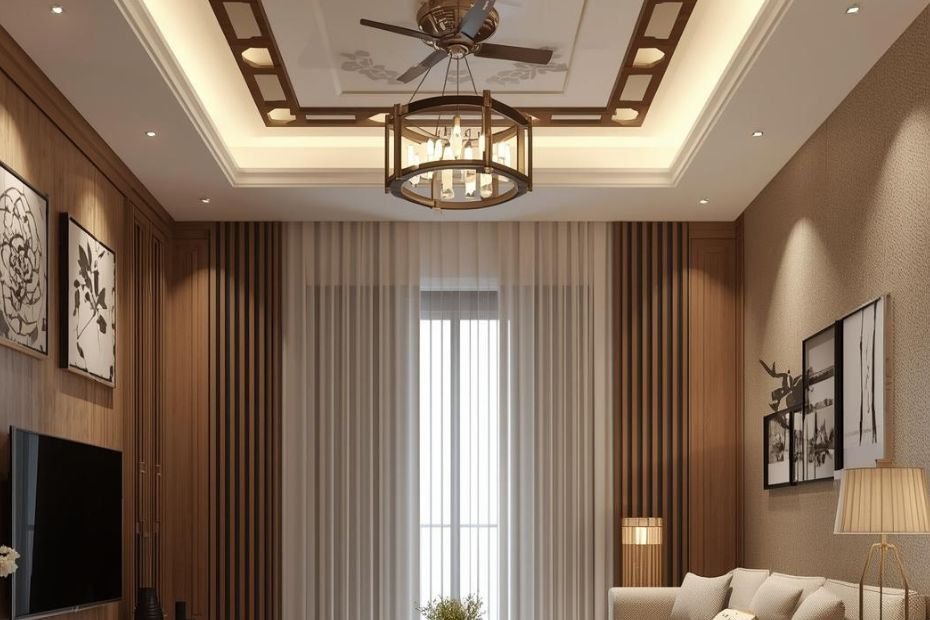
In a duplex—whether stacked units or side-by-side—the false ceiling must serve dual purposes: enhance aesthetics in living spaces while accommodating utilities, sound insulation, and fire separation between floors.
Most residential duplex ceilings span 8′ to 9′ in height, with inter-floor cavities of 12″ to 24″ for plumbing, wiring, and HVAC.
These 11 designs focus on practical integration: noise reduction, clean lines, code compliance, and visual continuity—so each unit feels private, modern, and well-finished.
Why Duplex Ceilings Need Special Consideration
Sound transmission is critical: Impact noise (footsteps, dropped items) travels easily between floors—ceilings must include acoustic barriers.
Fire separation required: Building codes typically mandate 1-hour fire-rated assemblies between units, including ceiling systems.
Utility access matters: Plumbing from upper bathrooms often runs through lower-unit ceilings—access panels are essential.
Design consistency aids resale: Matching or complementary ceiling styles in both units increase perceived value.
11 Duplex False Ceiling Designs That Balance Style, Function, and Shared Living
All concepts assume standard construction and compliance with IRC/IBC residential codes.
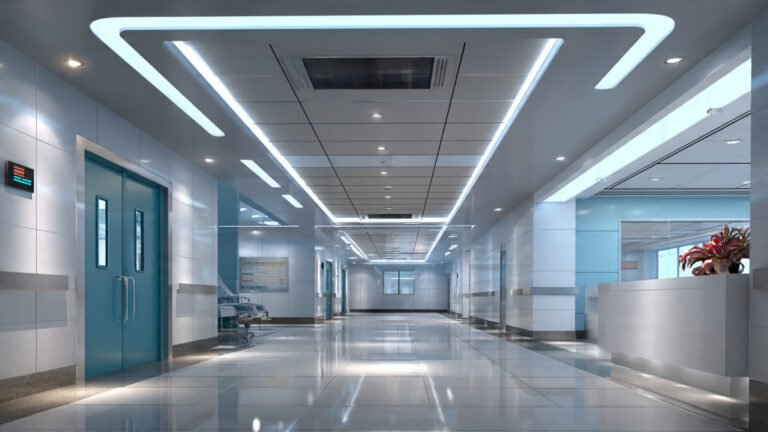
1. Acoustic Drop Ceiling with Recessed Lighting
Install a suspended grid system with Class A fire-rated, high-NRC (Noise Reduction Coefficient) mineral fiber tiles (e.g., Armstrong SoundScapes). Integrate slim LED downlights between tiles.
Provides easy access to pipes/wiring above. Ideal for lower units beneath bathrooms or kitchens. NRC ≥ 0.70 reduces airborne noise significantly.
2. Drywall Ceiling with Resilient Channel + Insulation
Build a standard drywall ceiling, but attach it to resilient metal channels (not directly to joists). Fill cavity with R-13 mineral wool insulation. Finish with taped, painted Type X drywall.
Meets fire and sound codes (STC 55+). Clean, seamless look preferred in modern duplexes. Include removable access panels near wet zones.
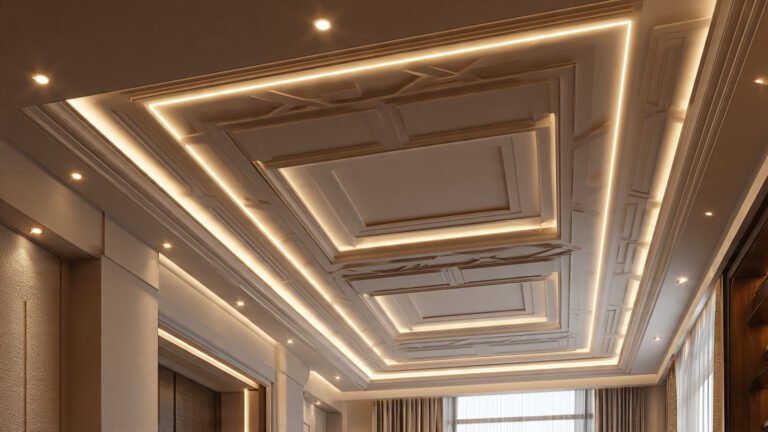
3. Coffered Ceiling with Acoustic Infill
Create shallow beams (4″–6″ deep) to form coffered panels. Line recesses with acoustic fabric or perforated wood over insulation. Maintains architectural detail while dampening sound.
Best in upper units where ceiling height allows. Avoid in rooms under 8’6″ finished height.
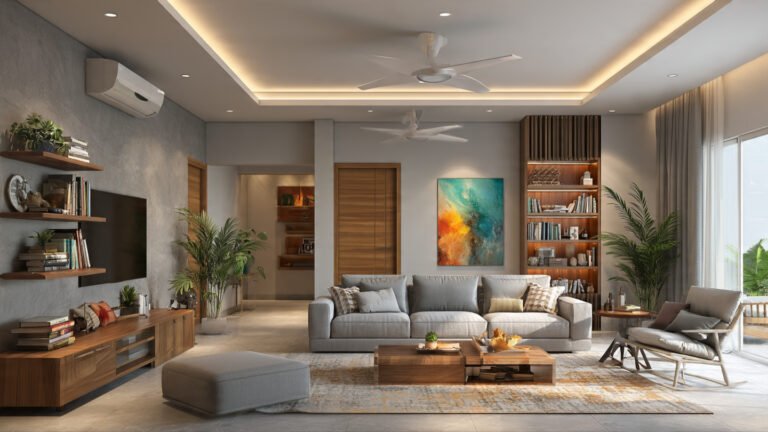
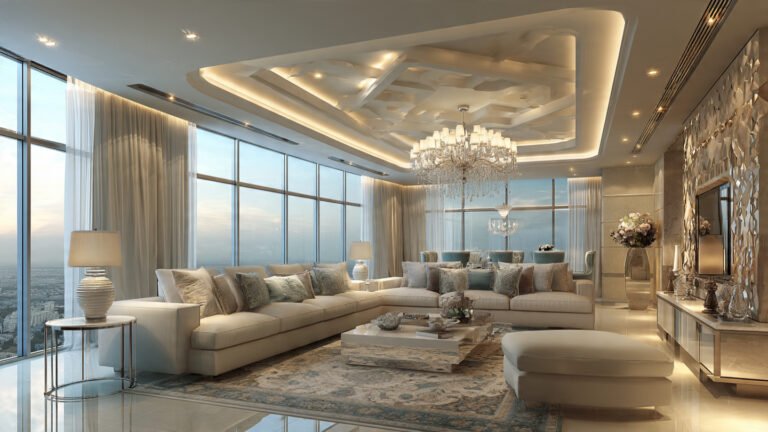
4. Tray Ceiling with Perimeter Cove Lighting
Lower the outer 12″–18″ of the ceiling by 4″–6″, leaving the center at full height. Install LED strip lighting in the cove for ambient glow. Use in living rooms or primary bedrooms.
Adds elegance without major height loss. In lower units, ensure cavity doesn’t interfere with upper-floor plumbing.
5. Exposed Ceiling with Painted Ducts and Beams
In industrial-style duplexes, leave structure exposed but paint all surfaces uniformly (e.g., matte black or white). Wrap ducts and pipes in acoustic lagging to reduce noise.
Saves headroom and cost. Best for new builds or full renovations where utilities can be neatly routed.
6. Floating Ceiling with Hidden Perimeter Gap
Lower a central panel by 5″–6″, leaving a continuous 2″–3″ gap around the edges. Conceal LED strips in the gap for a levitating effect.
Creates modern drama. Requires precise framing. Include access hatches if cavity houses shared utilities.
7. Grid Panel Ceiling with Integrated Speakers
Install a 2×2 or 2×4 grid of square panels (drywall or wood) lowered 3″–4″. Embed ceiling speakers or recessed lights in alternating panels.
Adds rhythm and tech integration. Use in media rooms or open-plan living areas. Ensure speaker cavities don’t breach fire barriers.
8. Sloped Ceiling Transition in Stairwells
In duplex stairwells, lower the ceiling gradually over the first 3’–4′ to soften the transition between floor levels. Keep lighting uniform with linear LEDs.
Reduces the “tunnel” effect. Use fire-rated materials throughout—stairwells are critical egress paths.
9. Seamless Drywall with Access Panels
Finish with smooth, painted drywall throughout, but integrate discreet removable panels (18″x18″ or 24″x24″) near bathrooms, kitchens, or HVAC chases.
Maintains clean aesthetics while allowing future repairs. Match texture and paint perfectly for invisibility.
10. Wood Slatted Ceiling with Acoustic Backing
Mount wooden slats (¾” thick, 3″–4″ apart) over a layer of acoustic insulation and drywall. Provides warmth and sound absorption.
Use real wood or fire-rated composite. Ideal for upper-unit living rooms or lower-unit dens. Avoid in high-moisture zones.
11. Dual-Zone Ceiling: Smooth + Textured
Use a smooth drywall ceiling in formal areas (living/dining) and a subtle textured finish (skip trowel, light orange peel) in hallways or bedrooms.
Adds variety without clutter. Ensure both finishes use the same paint sheen for cohesion.
Common Mistakes and Fixes
- Ignoring sound insulation between units
Fix: Always use resilient channels + mineral wool—not just fiberglass batts—for impact noise reduction. - Skipping fire-rated materials in shared walls/ceilings
Fix: Use Type X drywall (5/8″) and seal penetrations with fire-rated caulk or putty pads. - No access to upper-floor plumbing
Fix: Install at least one access panel in lower-unit ceilings below every bathroom. - Over-lighting with cool-white LEDs
Fix: Stick to 2700K–3000K for warm, inviting light—especially in living and sleeping areas. - Mismatched ceiling heights between units
Fix: Coordinate with the other unit during build-out. Consistent heights improve resale and rental appeal.
Build for Peace, Not Just Looks
A well-designed duplex ceiling does more than look good—it creates quiet, safety, and separation between lives sharing one structure.
Prioritize sound control, fire safety, and access over ornamentation. The best ceiling is the one you never notice—because it’s doing its job perfectly.
Which of these 11 ideas fits your duplex layout and local code requirements? Start with structure and insulation—then add style.