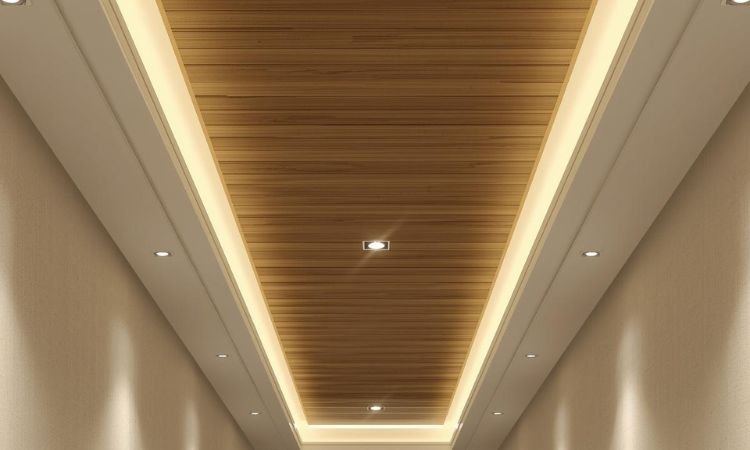
11 Glass False Ceiling Designs That Bring Light, Depth, and Modern Elegance

A glass false ceiling uses transparent or translucent panels to diffuse natural light, create visual height, and add contemporary refinement.
Most installations lower the original ceiling by 4 to 8 inches to accommodate framing, lighting, and insulation—while still complying with minimum room height codes (typically 7’6″ for habitable spaces).
These 11 designs focus on practical applications: skylight integration, LED backlighting, safety glazing, and thermal performance—so your glass ceiling enhances both aesthetics and function.
Why Glass Ceilings Work in Select Spaces
Natural light amplification: Translucent glass diffuses daylight deep into interior rooms, reducing reliance on artificial lighting during daytime hours.
Perceived spatial expansion: Glass ceilings make low rooms feel taller and narrow zones feel more open.
Modern architectural statement: Used sparingly, glass adds luxury without overwhelming.
Safety and code compliance are non-negotiable: All overhead glass must be tempered or laminated per building codes.
11 Glass False Ceiling Designs That Bring Light, Depth, and Modern Elegance
All concepts assume standard residential construction and compliance with safety glazing standards (tempered or laminated glass).
1. Translucent Polycarbonate Panel System
Use multi-wall polycarbonate sheets (e.g., Lexan) in a suspended aluminum grid. Lightweight, insulating (R-2 to R-3), and shatter-resistant. Ideal for sunrooms, hallways, or covered patios.
Panels come in opal, bronze, or clear tints. Blocks UV while transmitting soft, even light. Cost: $15–$30/sq ft installed.
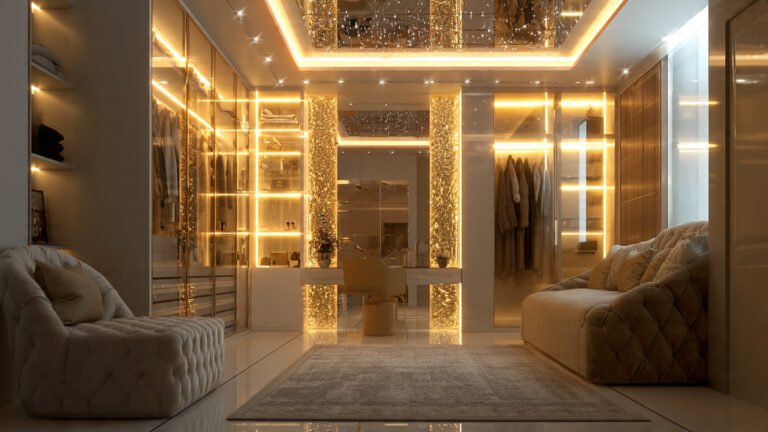
2. Backlit Frosted Glass Ceiling
Mount tempered frosted glass panels (¼”–⅜” thick) in a recessed frame. Install LED strips around the perimeter or behind the panel for even glow. Creates a luminous “sky” effect at night.
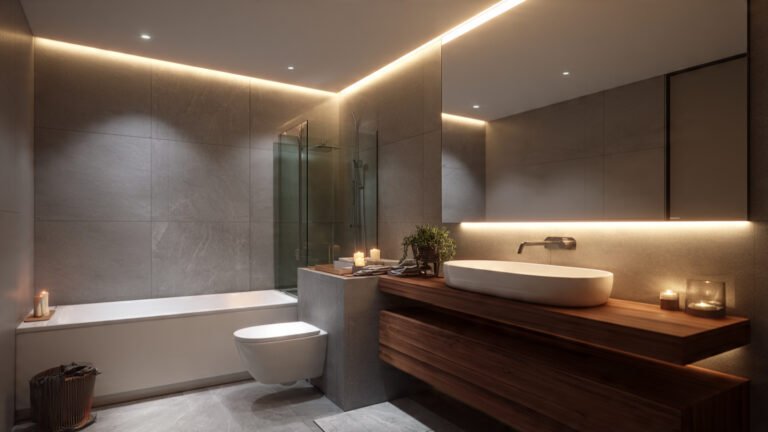
Use 3000K LEDs for warm ambient light. Best in powder rooms, entryways, or home offices. Avoid in high-moisture zones unless sealed.
3. Glass Ceiling with Integrated Skylight
Combine a glass false ceiling with a real skylight above. The false ceiling acts as a diffuser, softening direct sun and hiding structural elements. Use laminated glass for safety.
Include a removable access panel for skylight maintenance. Ideal for stairwells or central hallways with roof access.
4. Etched Glass with Geometric Pattern
Custom-etch geometric or organic patterns onto tempered glass panels. When backlit or sunlit, the design casts subtle shadows on walls and floors.
Keep patterns minimal—dense etching blocks too much light. Best over dining areas or foyers where detail can be appreciated.
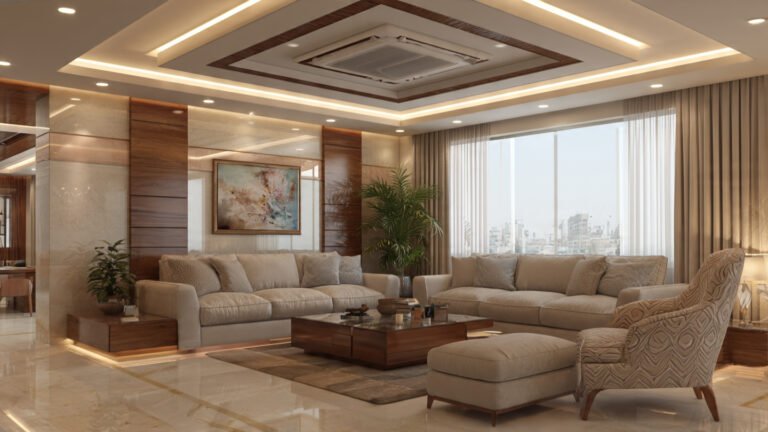
5. Glass Ceiling with Wooden Grid Frame
Set clear or frosted glass panels into a warm wood grid (oak, walnut, or teak). The contrast of natural wood and glass adds warmth to modern interiors.
Seal wood against moisture if used near bathrooms. Frame depth: 2″–3″—enough to hide LED strips or wiring.
6. Prismatic Glass Tiles for Light Direction
Install prismatic (ridged) glass tiles that refract and redirect daylight deeper into the room. Common in historic renovations but available in modern formats.
Works best in north-facing rooms with consistent indirect light. Pair with white walls to maximize bounce.
7. Switchable Privacy Glass Ceiling
Use smart glass (PDLC film) that turns from clear to opaque with the flip of a switch. Ideal for lofts or bedrooms where privacy is occasionally needed.
High cost ($100+/sq ft) and requires electrical integration. Best as an accent panel—not full ceiling.
8. Glass Ceiling Over Indoor Courtyard or Atrium
In homes with interior courtyards, extend the glass ceiling over the adjacent corridor or room to borrow light. Use structural silicone-glazed systems for seamless appearance.
Must include proper drainage and thermal breaks. Requires professional engineering in most climates.
9. Layered Glass and Acoustic Panel Hybrid
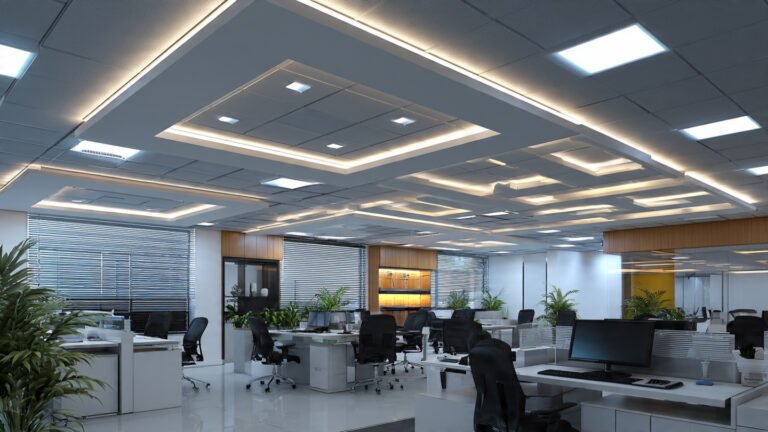
Alternate translucent glass panels with acoustic fabric-wrapped panels in a grid. Balances light transmission with sound absorption—critical in open-plan homes.
Use in media rooms, home offices, or hallways near noisy zones. Maintain 60% glass coverage for adequate brightness.
10. Colored Laminated Glass Accent Strip
Run a single band of colored laminated glass (e.g., deep blue, amber, or gray) along the center of a white ceiling. Acts as a linear light feature when backlit.
Keep width under 12″ to avoid overwhelming. Use low-iron glass for truer color. Great in minimalist corridors.
11. Glass Ceiling with Exposed Structural Grid
Leave the metal or wood support grid exposed below the glass panels. Paint grid matte black or match ceiling trim for industrial-modern contrast.
Ensure all fasteners are corrosion-resistant. Best in dry, climate-controlled spaces like libraries or galleries.
Common Mistakes and Fixes
- Using non-tempered glass overhead
Fix: All glass within 10 ft of floor must be safety-glazed (tempered or laminated) per IRC Section R308.4. - Ignoring condensation in humid climates
Fix: Add a vapor barrier and ensure attic or roof cavity is well-ventilated. Avoid in steam-heavy bathrooms. - Over-lighting with cool-white LEDs
Fix: Use 2700K–3000K LEDs behind glass. Cool light (4000K+) feels clinical and harsh when diffused. - Skipping thermal insulation
Fix: In cold climates, use double-glazed or insulated polycarbonate panels to reduce heat loss. - Poor access for maintenance
Fix: Include at least one removable panel for cleaning or servicing lights above.
Light, Not Just Glass
A successful glass false ceiling isn’t about transparency—it’s about controlled light. Prioritize diffusion, safety, and thermal performance over pure clarity.
The best designs disappear during the day and glow softly at night, making the space feel larger and more serene.
Which of these 11 ideas fits your room’s function and climate? Start with polycarbonate or frosted glass—then add detail only where light and safety allow.