Backyard Deck Privacy Ideas That Block Views Without Feeling Closed In
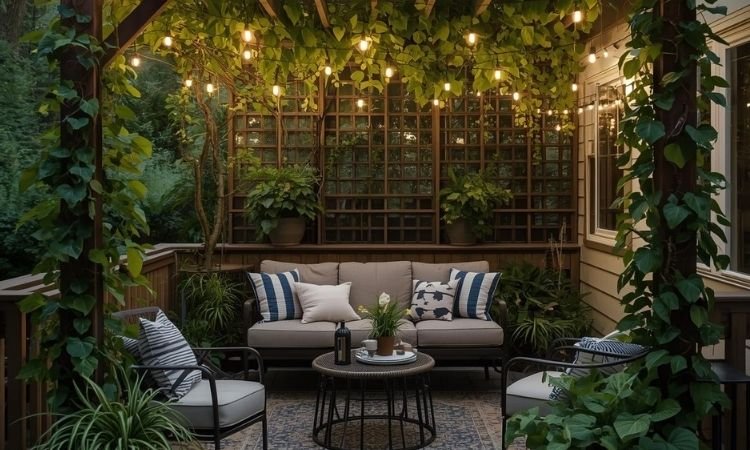
Suburban lots average 0.15-0.25 acres placing neighbors 15-30 feet from deck edges, yet 64% of homeowners report privacy concerns limiting deck usage.
Strategic screening creates seclusion while maintaining airflow and natural light that solid barriers eliminate.
In this guide, we’ll explore privacy screen options, living barriers, structural solutions, and lighting techniques to transform exposed decks into private retreats that balance seclusion with openness rather than creating boxed-in outdoor rooms.
Key points we’re exploring:
- Screen materials balancing privacy with light transmission
- Living barriers providing natural gradual screening
- Structural additions creating defined boundaries
- Height considerations meeting code requirements
- Design strategies preventing confined feeling
- Budget ranges for different privacy solutions
Essential Qualities of Backyard Deck Privacy
Partial Screening Maintains Openness: Slatted panels, lattice, or spaced vertical boards allowing 30-40% light transmission provide adequate privacy without the enclosed feeling that solid walls create making decks feel like outdoor rooms rather than open spaces. It’s like filtered views where suggestion beats complete blockage. The semi-transparent approach delivers necessary seclusion while preserving the outdoor connection that complete barriers destroy regardless of material quality or aesthetic appeal.
Varied Height Creates Visual Interest: Combining taller sections blocking direct sightlines with lower portions maintaining views prevents the uniform wall appearance that same-height screening creates around deck perimeters. It’s like skyline variation where height differences create dimension. The graduated approach provides privacy where needed while preserving pleasant views that total enclosure unnecessarily eliminates.
Natural Materials Soften Appearance: Wood, bamboo, or living plants integrate organically with outdoor settings while synthetic materials or metal panels emphasize artificial barrier presence making privacy feel imposed rather than natural. It’s like landscape integration where organic elements blend rather than contrast. The natural selections create cohesive outdoor spaces that synthetic screens disrupt through visual discontinuity.
Strategic Placement Targets Problem Areas: Screening only sightlines to neighbor windows or public walkways rather than enclosing entire deck perimeter maintains maximum openness while addressing specific privacy concerns. It’s like surgical solutions where precision beats blanket approaches. The targeted screening preserves views and airflow in directions not requiring privacy versus wrapping entire deck creating unnecessary confinement.
10 Backyard Deck Privacy Ideas
Create secluded outdoor spaces with these backyard deck privacy ideas featuring solutions that balance screening with openness.
Horizontal Slat Panels
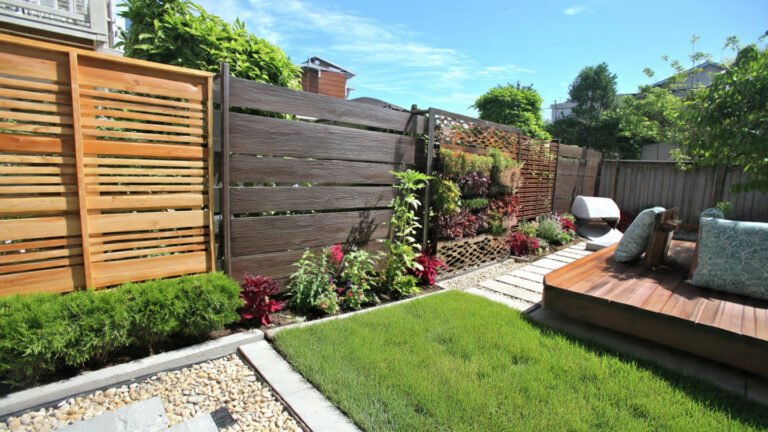
Install horizontal wood slat panels with 1-2 inch spacing between boards creating modern privacy screens. The contemporary design allows airflow and filtered light while gaps prevent direct sightlines at eye level. It’s like louvers where spacing creates privacy without solid barriers.
Use cedar or composite materials resisting weather damage. Mount panels 6-8 feet high meeting typical code requirements. Costs run $25-$60 per linear foot installed. This backyard deck privacy idea delivers contemporary screening with maintained airflow.
Lattice Screen Walls
Mount decorative lattice panels creating semi-transparent barriers with traditional appeal. The crisscross pattern blocks direct views while open spacing maintains light transmission and air circulation. It’s like garden trellises where pattern provides coverage.
Paint or stain lattice matching deck finishes. Train climbing vines adding living element over time. Expect costs $15-$35 per linear foot for lattice installation. This backyard deck privacy idea offers budget-friendly classic screening.
Living Privacy Hedge
Plant evergreen shrubs—arborvitae, boxwood, privet—creating living privacy barriers. The natural screening with year-round foliage provides graduated privacy as plants mature while living elements soften deck edges. It’s like green walls where nature creates boundaries.
Space plants 3-4 feet apart allowing fill-in growth. Choose varieties reaching 6-8 feet mature height. Costs range $30-$80 per plant for 3-4 foot specimens. This backyard deck privacy idea provides organic screening improving over time.
Pergola with Curtains
Build pergola over deck portions adding retractable outdoor curtains creating flexible privacy. The fabric panels draw closed when privacy needed while opening maintains openness during private times. It’s like indoor curtains where control enables flexibility.
Use weather-resistant outdoor fabrics withstanding sun and moisture. Include curtain tracks or grommets with rods. Expect costs $2,000-$5,000 for pergola with curtain system. This backyard deck privacy idea offers adjustable screening.
Vertical Garden Wall
Install vertical planter systems creating living walls with flowers, herbs, or trailing plants. The planted screens provide natural privacy while greenery adds visual interest and softens deck boundaries. It’s like urban gardens where vertical growth solves space limitations.
Include irrigation systems maintaining plant health. Choose sun-appropriate plant varieties for exposure. Costs run $200-$800 for vertical garden structures and plants. This backyard deck privacy idea combines function with natural beauty.
Bamboo Roll Screening
Mount bamboo fence rolls creating natural-looking privacy barriers quickly. The sustainable material with tropical aesthetic provides solid screening while natural texture prevents harsh barrier appearance. It’s like island retreats where bamboo creates atmosphere.
Secure rolls to existing railings or posts using zip ties. Replace every 3-5 years as bamboo weathers. Expect costs $3-$8 per linear foot for bamboo screening. This backyard deck privacy idea offers affordable natural screening.
Decorative Metal Panels
Install laser-cut metal screens creating artistic privacy barriers with varied pattern designs. The custom patterns allow light and air while decorative elements provide visual interest that plain panels lack. It’s like outdoor art where function meets aesthetics.
Choose rust-resistant aluminum or powder-coated steel. Select patterns balancing openness with privacy. Costs range $50-$150 per panel depending on design complexity. This backyard deck privacy idea adds sculptural elements while screening.
Tall Planter Boxes
Position large planter boxes with tall grasses or shrubs creating movable privacy barriers. The container gardens provide flexible screening that rearranges for different needs while plants soften industrial planter appearance. It’s like movable walls where portability enables adaptation.
Use planters 24-36 inches tall and wide creating substantial presence. Choose ornamental grasses reaching 6-8 feet height. Expect costs $100-$300 per large planted container. This backyard deck privacy idea offers portable flexible screening.
Glass Panel Railings
Replace standard railings with frosted or tinted glass panels providing wind protection with privacy. The transparent material maintains open feeling while obscuring direct views into deck from ground level. It’s like shower enclosures where glass separates without enclosing.
Choose tempered safety glass meeting building codes. Frame with aluminum or stainless steel. Costs run $100-$200 per linear foot installed. This backyard deck privacy idea provides modern weather-resistant screening.
Outdoor Room Divider Screens
Use freestanding folding screens creating temporary privacy zones on decks. The portable panels position where needed then fold away when not required maintaining deck openness. It’s like room dividers where flexibility enables multiple configurations.
Choose weather-resistant materials—treated wood, synthetic wicker, or outdoor fabric. Include weighted bases preventing tipping. Expect costs $150-$500 for quality outdoor screens. This backyard deck privacy idea provides adaptable occasional screening.
Implementing Deck Privacy Solutions
Check Local Building Codes: Verify height restrictions, setback requirements, and permit needs before installing permanent privacy structures as violations require expensive removal or modification. It’s like legal research where compliance prevents costly corrections. The code verification ensures privacy solutions meet regulations avoiding enforcement issues.
Consider Wind Patterns: Solid screens create wind tunnels or dead air zones while slatted designs allow airflow maintaining comfort. It’s like windbreak design where spacing determines effectiveness. The ventilation consideration prevents uncomfortable conditions that complete barriers create despite achieving privacy goals.
Coordinate with Deck Style: Match privacy screen materials and colors to existing deck finishes creating cohesive appearance rather than obvious additions that clash visually. It’s like furniture matching where harmony matters. The coordinated approach integrates screening as original design elements rather than afterthought additions.
Phase Installation if Needed: Start with most critical privacy areas expanding as budget allows rather than cheap solutions everywhere that compromise quality. It’s like priority-based planning where impact guides sequencing. The phased approach delivers quality where most needed versus mediocre coverage throughout.
Frequently Asked Questions About Backyard Deck Privacy
How High Should Deck Privacy Screens Be?
Screens 6-8 feet high block typical standing sightlines while meeting most residential building codes limiting fence and screen heights. Measure from deck surface to top of screen not ground level. Check local regulations as height limits vary by jurisdiction and property location.
Privacy needs depend on deck elevation and neighbor sight angles. The specific assessment determines necessary height rather than standard measurements.
What’s Most Affordable Deck Privacy Option?
Bamboo roll screening at $3-$8 per linear foot or basic lattice at $15-$35 per linear foot offer lowest-cost solutions. Living hedges cost more initially but avoid replacement expenses that screening materials require. DIY installation saves 40-60% versus professional installation.
Budget solutions work fine when properly installed and maintained. The cost-effective approach delivers adequate screening without premium features.
Can You Add Privacy to Existing Deck?
Yes—mount screens to existing posts or railings using brackets avoiding deck modification. Freestanding planters or screens require no deck attachment. Living barriers plant adjacent to deck creating privacy without structural changes. The retrofit approach works without deck reconstruction.
Existing deck structure determines attachment options. The evaluation guides appropriate privacy solution selection for specific situations.
How Do You Maintain Deck Privacy Screens?
Wood screens need annual staining or sealing protecting from weather. Vinyl or composite materials require only periodic washing. Living barriers need regular watering, pruning, and fertilizing. Metal screens may need rust treatment depending on material and coating quality.
Maintenance requirements vary significantly with material choice. The consideration affects long-term ownership costs beyond initial installation expenses.
Do Privacy Screens Decrease Deck Value?
Quality privacy solutions typically increase value by improving deck functionality and enjoyment. Poorly executed screening that appears cheap or creates excessive enclosure may decrease appeal. Well-designed privacy enhancing usability adds value while obvious afterthought additions may not.
Buyer preference varies with individual privacy priorities. The market conditions and neighborhood context determine specific value impact.
Creating Your Private Deck Space
Backyard deck privacy ideas reveal that strategic screening balances seclusion with openness better than complete enclosure. Natural materials with partial transparency maintain outdoor connection while targeted placement addresses specific privacy concerns without creating confined feeling.
Start by identifying actual sightlines requiring screening rather than assuming entire perimeter needs barriers. Choose materials coordinating with existing deck aesthetics and allowing adequate airflow. Consider living barriers providing gradual screening that improves over time.
What privacy concern limits your deck enjoyment most? Share your outdoor screening challenges below!