Small Backyard Privacy Ideas That Create Your Own Outdoor Retreat
Backyard privacy surveys show 67% of homeowners feel their outdoor space is too exposed with small yards averaging just 800-1,200 square feet facing neighboring windows, sidewalks, or adjacent properties within 10-15 feet, creating the uncomfortable fishbowl effect that keeps families from actually using their yards. The privacy failures happen when tall fences violate HOA rules or make small spaces feel even more cramped or when expensive solutions blow the budget before achieving any real seclusion.
Small backyard privacy ideas need to block sightlines and create comfortable boundaries without making your yard feel like a prison courtyard or consuming the limited square footage you’re trying to enjoy. The approaches that work combine vertical screening with strategic placement creating secluded zones where you can relax without feeling watched by neighbors or passersby.
We’re covering 11 small backyard privacy ideas that work in tight spaces. These practical solutions create genuine privacy through layered screening, smart plantings, and structural elements that feel natural rather than fortress-like while fitting realistic budgets and HOA restrictions.
Here’s what we’re getting into:
- Living screens using plants and greenery
- Structural barriers that don’t overwhelm small spaces
- Vertical solutions maximizing limited square footage
- Budget-friendly DIY privacy options
- HOA-compliant screening strategies
- Multi-functional privacy elements
What Makes Small Backyard Privacy Actually Work
Layered Screening Beats Single Barriers: Combining multiple privacy elements at different heights and depths—a fence with plantings in front, overhead coverage with vertical screens—creates better seclusion than one tall barrier while making small yards feel more spacious through visual depth. It’s like wearing layers instead of one heavy coat. The dimensional approach provides privacy without the closed-in feeling.
Strategic Placement Targets Problem Areas: Blocking sightlines from specific windows or seating areas matters more than surrounding the entire perimeter—identifying where neighbors can actually see in lets you focus privacy efforts on problem zones rather than wasting resources on areas nobody sees anyway. It’s like closing the blinds on windows that face the street but leaving others open. The targeted screening solves privacy issues without overdoing it.
Height Variations Prevent the Boxed-In Effect: Mixing tall and medium-height privacy elements creates visual interest and airflow instead of uniform walls that make small yards feel claustrophobic—staggered heights let light and breeze through while still blocking direct sightlines. It’s like building natural screens that breathe. The varied approach maintains openness while adding privacy.
Multi-Purpose Elements Justify Space Usage: In small yards every square foot counts so privacy solutions that also provide shade, seating, storage, or beauty earn their footprint better than single-purpose barriers taking up precious space. It’s like furniture that offers hidden storage. The dual-function thinking maximizes limited square footage.
11 Small Backyard Privacy Ideas
Create your private outdoor space with these small backyard privacy ideas that work in compact yards without overwhelming them.
Vertical Garden Privacy Wall
Install a vertical garden frame or trellis system covered with climbing plants creating a living privacy wall. The planted screen blocks views while adding greenery and texture instead of solid barriers that feel heavy in small spaces. It’s like hanging artwork that also provides seclusion.
Use fast-growing climbers like clematis, jasmine, or climbing roses for quicker coverage. Choose frames 6-8 feet tall for effective screening. Vertical garden systems run $80-$300 depending on size. These small backyard privacy ideas bring nature into your screening solution.
Outdoor Curtain Panels
Hang outdoor fabric panels from a pergola, gazebo, or mounted rod creating flexible privacy you can open or close as needed. The flowing curtains soften spaces while providing shade and seclusion without permanent structures. It’s like having blinds for your backyard.
Choose weather-resistant outdoor fabrics that handle sun and moisture. Mount on tracks or rings for easy adjustment. Outdoor curtain panels cost $40-$120 per panel. These small backyard privacy ideas offer adjustable screening that changes with your needs.
Tall Planter Box Hedge
Line your property boundary with tall planter boxes filled with privacy shrubs or ornamental grasses creating a moveable green screen. The raised planters add immediate height while remaining portable for renters or changing layouts. It’s like a hedge you can rearrange.
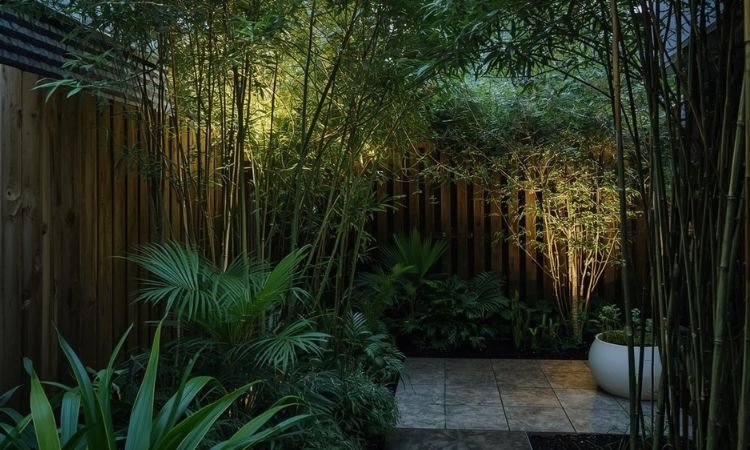
Choose planters at least 24 inches deep for healthy root growth. Fill with bamboo, arborvitae, or tall grasses for year-round coverage. Tall planters run $60-$200 each. These small backyard privacy ideas work great when permanent plantings aren’t possible.
Slatted Fence Panels
Install modern slatted fence panels with gaps between boards allowing airflow and light while blocking direct sightlines. The horizontal or vertical slats create contemporary screening that feels less solid than traditional privacy fences. It’s like shutters that let you breathe while maintaining boundaries.
Space slats 1-2 inches apart for optimal privacy with ventilation. Choose cedar or composite materials for durability. Slatted panels cost $40-$100 per linear foot installed. These small backyard privacy ideas balance openness with seclusion.
Bamboo Screen Dividers
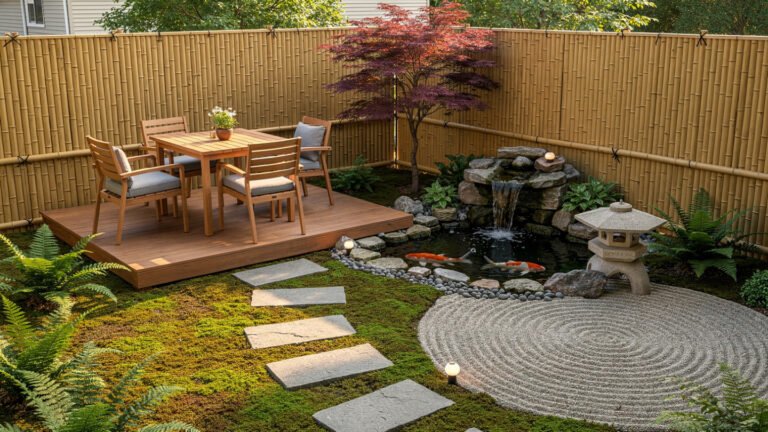
Set up freestanding bamboo screens or rolled bamboo fencing creating instant privacy without installation or permanent changes. The natural material adds texture while the portable format works for renters or temporary solutions. It’s like room dividers for outdoors.
Secure screens with stakes or weights preventing wind toppling. Expect 3-5 year lifespan depending on weather exposure. Bamboo screens run $30-$80 per 6-foot section. These small backyard privacy ideas provide quick affordable screening.
Pergola with Lattice Sides
Build or add lattice panels to an existing pergola creating partial walls that define space while training climbing plants for added coverage. The overhead structure with side screening provides privacy without full enclosure. It’s like an outdoor room with breathable walls.
Plant vines along lattice base for living coverage within one season. Include seating area underneath for defined private zone. Lattice additions cost $150-$400 depending on pergola size. These small backyard privacy ideas create destination spaces with built-in seclusion.
Tiered Plant Screening
Arrange plants in graduating heights creating a natural privacy screen—low groundcover in front, medium shrubs behind, tall plants or small trees in back. The layered planting blocks views while adding depth and interest to small yards. It’s like building privacy with landscaping instead of structures.
Choose evergreen varieties for year-round coverage. Space plants considering mature width preventing overcrowding. Plant costs vary widely by selection—budget $300-$800 for effective screening. These small backyard privacy ideas use nature’s architecture.
Corrugated Metal Panels
Install corrugated metal panels as modern privacy screens creating industrial-chic barriers that reflect personal style. The metal panels provide solid screening while their contemporary look adds design interest to small spaces. It’s like gallery walls that block views.
Frame panels properly for stability in wind. Consider rust-resistant metals or powder-coated finishes. Metal panels run $50-$150 per 4×8 sheet. These small backyard privacy ideas work great in modern or urban yard designs.
Privacy Planter with Trellis Top
Use large planters with attached trellises creating two-level screening—plantings at ground level with climbing vines on trellis above. The combined system maximizes privacy height while keeping footprint compact. It’s like bunk beds for privacy screening.
Choose planters with integrated trellis systems or DIY by attaching trellis to planter backs. Train vines up trellis for full coverage. Planter-trellis combos cost $100-$300. These small backyard privacy ideas pack maximum screening into minimal space.
Outdoor Privacy Screen Panels
Set up decorative outdoor privacy panels made from laser-cut metal, wood composite, or resin creating artistic barriers that double as garden art. The patterned screens provide privacy through repeated designs while maintaining some transparency and visual interest. It’s like decorative room dividers that live outside.
Choose patterns balancing coverage with airflow—tighter designs for more privacy, opener patterns for light screening. Anchor securely to prevent tipping. Decorative panels run $80-$300 each. These small backyard privacy ideas make screening beautiful.
Living Wall Planter System
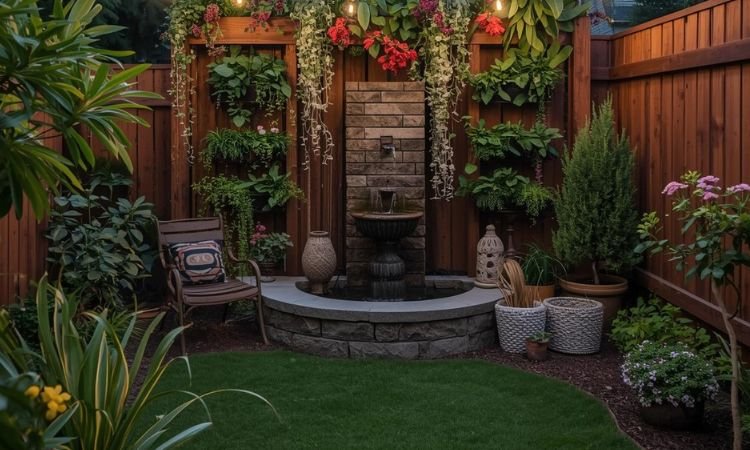
Mount modular living wall planters on fences or exterior walls creating vertical gardens that add privacy while maximizing unused vertical space. The planted pockets hold flowers, herbs, or foliage transforming flat surfaces into green screens. It’s like vertical farming meets privacy solution.
Use drip irrigation or self-watering systems keeping maintenance manageable. Choose plants suited to your sun exposure. Living wall systems cost $100-$400 depending on size. These small backyard privacy ideas turn walls into functional green space.
Creating Your Privacy Plan
Map Your Sightlines First: Walk around your yard identifying exactly where neighbors or passersby can see in—sit in your usual spots checking what’s visible from surrounding properties rather than assuming you need privacy everywhere. It’s like doing a security assessment but for privacy. The sightline mapping shows where screening actually matters.
Start With Quick Wins: Install fast solutions like outdoor curtains or bamboo screens providing immediate privacy while slower-growing plants mature or while you save for permanent structures. It’s like furnishing a house gradually instead of waiting until you can buy everything. The phased approach gives you privacy now while building long-term solutions.
Consider Seasonal Changes: Remember that deciduous plants lose leaves in winter potentially exposing your yard during off-season—mix evergreen and deciduous plantings or combine living screens with structural barriers for year-round coverage. It’s like planning wardrobe for all seasons. The seasonal thinking prevents winter privacy gaps.
Check HOA Rules and Setbacks: Verify fence height limits, structure restrictions, and property line setbacks before investing in privacy solutions—many HOAs limit fence heights to 6 feet or require specific materials and colors. It’s like reading the fine print before committing. The upfront research prevents expensive mistakes.
Real Questions About Backyard Privacy
How Tall Should Privacy Screening Be?
Six to eight feet typically blocks views from ground level while seven to nine feet screens second-story windows depending on distances involved. Measure from your seating areas to neighboring vantage points determining required height for effective screening.
Taller isn’t always better in small yards. Super-high barriers can make spaces feel cramped and dark. Sometimes strategic six-foot screening placed correctly works better than uniform eight-foot walls.
What’s the Fastest Way to Get Privacy?
Outdoor curtains, bamboo screens, or fast-growing annual vines provide near-instant coverage within days or weeks. For permanent solutions, fast-growing shrubs like Leyland cypress or bamboo can reach screening height in 1-2 years with proper care.
Combining quick temporary solutions with slower permanent plantings gives you privacy immediately while better options mature. You don’t have to wait years feeling exposed.
Do Privacy Screens Make Small Yards Feel Smaller?
Solid barriers at uniform heights do make spaces feel cramped, but layered screening at varied heights with mixed materials creates depth that can actually make small yards feel larger while still providing privacy. The design approach matters more than the screening itself.
Open-style screens like slatted fences or climbing plants on trellises provide privacy without the closed-in feeling of solid walls. Choose solutions that let light and air through.
What Plants Work Best for Privacy?
For quick growth consider bamboo (clumping varieties to prevent spreading), Leyland cypress, or privet hedges. For lower-maintenance options try arborvitae, boxwood, or ornamental grasses. Choose based on your climate, sun exposure, and maintenance tolerance.
Evergreen options provide year-round coverage while deciduous plants might screen summer but expose your yard in winter. Mix both for visual interest if winter privacy isn’t critical.
How Much Should Privacy Solutions Cost?
DIY bamboo screens or outdoor curtains can run $200-$500 for a small yard while professionally installed fencing costs $2,000-$5,000 depending on materials and length. Living screens using plants typically cost $500-$1,500 including plants and soil amendments.
Start with budget-friendly options then upgrade gradually. You don’t need to do everything at once. Even small improvements make yards feel more private and comfortable.
Building Your Private Backyard
Small backyard privacy ideas work when you’re strategic about where screening goes instead of trying to wall off your entire yard. The effective approach identifies specific problem sightlines then layers solutions at different heights creating depth and interest while blocking views. Systems combining quick wins with long-term plantings give you privacy now while building better permanent solutions over time.
Start by sitting in your yard at different times of day noting exactly where you feel exposed—those specific sightlines are what you need to address, not necessarily your whole perimeter. Add immediate screening with curtains, bamboo panels, or fast-growing annuals giving you privacy this season. Then invest in permanent solutions like planted hedges or structural barriers that’ll serve you for years knowing you’ve already got temporary coverage while they establish.
What’s your biggest privacy challenge in your yard? Tell us in the comments!