Downstairs Toilet With Shower Ideas That Add Serious Functionality
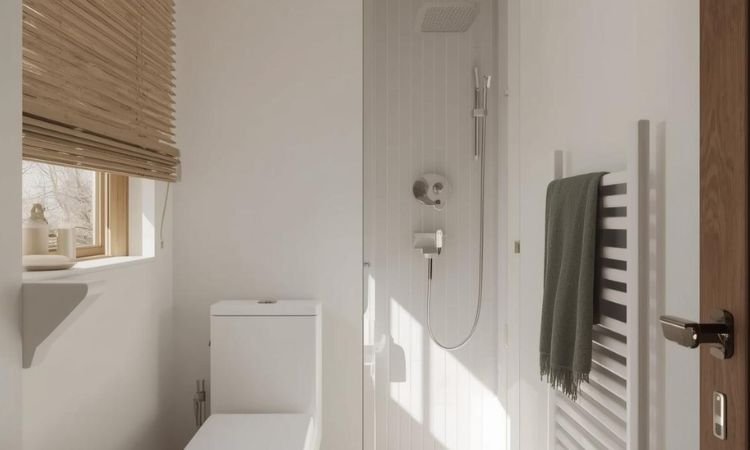
Your downstairs toilet serves guests just fine, but you’re thinking it could do more. Maybe you need a quick rinse-off after yard work, somewhere for guests to shower when they stay over, or a solution for aging parents who can’t handle stairs anymore. Adding a shower to that small ground-floor space sounds great in theory, but the reality hits when you realize how little room you’re actually working with.
Here’s the good news—people add showers to downstairs toilets all the time and make them work. The trick is choosing the right approach for your specific space and needs rather than trying to cram in features that won’t fit. A well-planned downstairs toilet with shower adds genuine value and functionality to your home.
I’m covering everything from compact corner showers and wet room conversions to space-saving fixtures, layout strategies, and ventilation solutions. You’ll see which configurations work in tight spaces, how to handle plumbing additions, what building codes require, and where to spend your budget. These aren’t theoretical ideas—they’re practical solutions for ground-floor bathrooms where space comes at a premium.
What Makes Downstairs Toilet Showers Work
Space Planning Determines Feasibility: The room needs adequate square footage for safe movement and fixture clearances before adding showers makes sense. It’s like measuring twice where dimensions determine what’s actually possible. The realistic assessment prevents expensive mistakes.
Plumbing Access Affects Complexity: Existing drain locations and water supply lines influence how difficult and costly shower additions become. It’s like working with existing infrastructure where what’s already there shapes options. The plumbing reality often determines final designs.
Ventilation Becomes Critical: Adding wet shower areas increases humidity requiring proper exhaust systems preventing mold and moisture damage. It’s like air exchange where mechanical ventilation isn’t optional anymore. The proper airflow protects your investment long-term.
Building Codes Set Minimums: Local regulations specify required dimensions, clearances, and safety features that affect feasibility. It’s like following rules where compliance isn’t negotiable. The code requirements sometimes kill projects before they start.
Downstairs Toilet With Shower Ideas That Add Serious Functionality
Add valuable shower capability with these downstairs toilet with shower ideas featuring space-efficient solutions.
Compact Corner Shower Addition
Install a 32×32 or 36×36 corner shower unit in the least-used corner maximizing floor space. The compact footprint claims awkward angles while leaving room for existing toilet and sink. It’s like using geometry where corners become opportunities.
Choose neo-angle designs if you’re really tight on space since they fit better than square corners. Frameless glass keeps the addition feeling open rather than cramped. This downstairs toilet with shower solution works in rooms as small as 5×7 feet with careful planning.
Wet Room Conversion
Convert the entire downstairs toilet into a waterproofed wet room eliminating separate shower enclosures. The open design removes all barriers making small spaces feel dramatically larger. It’s like going fully open where the whole room handles shower duty.
Install a linear drain and slope the entire floor toward it. Use floor-to-ceiling waterproof materials throughout. This downstairs toilet with shower approach works best when your room measures 6×6 feet or smaller where enclosures would dominate.
Walk-In Shower With Glass Panel
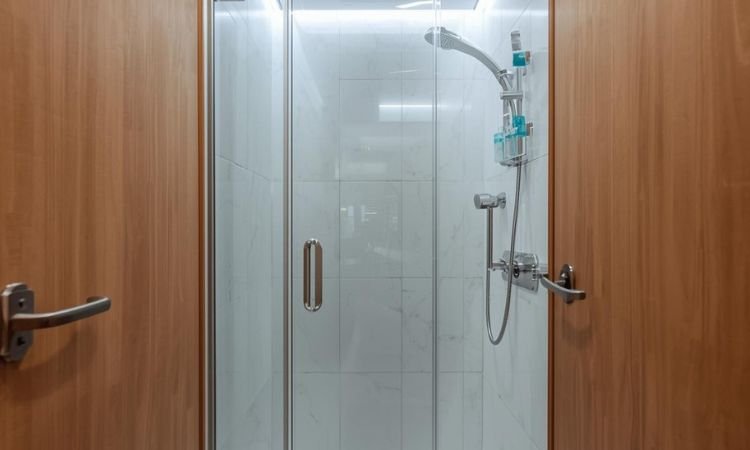
Add a walk-in shower area separated by a single fixed glass panel instead of full enclosures. The partial barrier contains water while maintaining openness. It’s like minimal separation where you get function without visual weight.
Position the glass panel strategically directing water toward the drain. Add a handheld showerhead on a slide bar for flexibility. This downstairs toilet with shower option balances water containment with spacious feeling.
Shower Over Toilet Design
Install a shower directly over the toilet area using strategic placement and waterproofing. The combined footprint maximizes limited space though it requires careful planning. It’s like stacking functions where vertical thinking saves floor space.
This works best in very small rooms where separate areas aren’t possible. Use a toilet designed for wet environments and ensure proper drainage away from the toilet base. This downstairs toilet with shower solution fits in extremely tight quarters other options can’t accommodate.
Prefab Shower Stall
Use a compact prefab shower stall—32 or 36 inches—for the simplest installation. The all-in-one units install quickly with fewer waterproofing concerns than custom builds. It’s like shortcuts where prefab delivers solid value.
Choose white or light colors making the addition feel less intrusive. The acrylic or fiberglass construction costs less than custom tile work. This downstairs toilet with shower choice works great on tight budgets or quick timelines.
Curbless Entry Shower
Create a curbless shower with continuous flooring eliminating trip hazards and improving accessibility. The seamless transition makes everything feel more open and modern. It’s like removing obstacles where flow beats separation.
Slope the entire floor area toward a linear drain preventing water from reaching toilet or sink areas. This requires lowering the floor or building up surrounding areas during construction. This downstairs toilet with shower upgrade improves both safety and aesthetics.
Sliding Door Installation
Use sliding shower doors instead of swinging ones saving 24-30 inches of clearance space. Standard hinged doors need room to open that small downstairs toilets rarely have. It’s like recovering square footage trapped by door swings.
Bypass sliders work in the tightest situations requiring zero clearance beyond the shower footprint. The space savings often make impossible layouts suddenly functional. This downstairs toilet with shower detail frequently solves layout problems nothing else can.
Wall-Mounted Fixtures
Mount the toilet and sink off the floor creating visual breathing room and easier cleaning. The floating fixtures show continuous flooring underneath making rooms feel less cramped. It’s like revealing surfaces where what shows matters as much as what’s installed.
Wall-hung toilets also free up floor space right where you need it most for shower additions. Choose compact models designed for small bathrooms. This downstairs toilet with shower strategy expands usable space while modernizing the look.
Ventilation System Upgrade
Install a powerful exhaust fan—100+ CFM for rooms under 75 square feet—handling increased moisture from shower use. The proper ventilation prevents mold, mildew, and moisture damage. It’s like air exchange where mechanical help becomes essential.
Run the fan during showers and for 30 minutes afterward fully clearing humidity. Consider adding a humidistat that turns the fan on automatically when moisture levels rise. This downstairs toilet with shower requirement protects your investment from water damage.
Built-In Storage Niches
Add recessed storage niches in shower walls holding necessities without protruding into limited space. The built-in cubbies provide function without adding visual clutter. It’s like carving storage from wall thickness instead of room volume.
Plan for 2-3 niches at different heights during construction or renovation. Tile inside them creating finished looks. This downstairs toilet with shower detail adds essential storage without consuming precious square footage.
Linear Drain System
Install a linear drain along one wall instead of a center drain allowing simpler floor sloping. The modern system looks sleeker while improving drainage efficiency. It’s like contemporary design meeting better function.
Linear drains also let you use larger format tiles without complex cutting. Position it along the back wall for the most gradual slope from the entry. This downstairs toilet with shower component improves both appearance and performance.
Making Downstairs Toilet Showers Actually Work
Check Building Codes First: Verify local requirements for minimum dimensions, clearances, and ventilation before planning. It’s like getting permission where knowing rules prevents problems. The code compliance determines feasibility from the start.
Assess Plumbing Realistically: Understand where drains and water lines currently exist and what adding shower plumbing actually involves. It’s like infrastructure inventory where existing systems shape possibilities. The plumbing reality often dictates final costs.
Plan For Proper Drainage: Ensure adequate floor slope and drain capacity handling shower water without backing up. It’s like foundations where getting basics right prevents future headaches. The proper drainage keeps everything functional long-term.
Invest In Quality Ventilation: Don’t cheap out on exhaust fans since inadequate ventilation causes expensive moisture damage later. It’s like insurance where prevention costs less than repairs. The proper airflow protects your entire investment.
Frequently Asked Questions About Downstairs Toilet With Shower
What’s The Minimum Room Size Needed?
You need roughly 5×7 feet minimum for a functional downstairs toilet with shower including all three fixtures. That gives you a 32-36 inch shower, compact toilet, and small sink with tight but legal clearances. Anything smaller makes adding a shower really impractical unless you go with a wet room approach.
Building codes require specific clearances around toilets and in front of fixtures that affect minimum dimensions. Check your local codes before planning since requirements vary by location. Some areas might need 6×8 feet or more depending on specific regulations.
How Much Does Adding A Shower Cost?
Expect to spend $3,000-8,000 for basic additions using prefab units and standard fixtures. Custom tile showers with higher-end fixtures run $8,000-15,000 or more. Costs increase significantly if you need major plumbing work, floor modifications, or structural changes to accommodate drainage.
The biggest variables are plumbing complexity and finish choices. If drain lines run conveniently nearby, costs stay lower. Custom tile work, frameless glass, and premium fixtures push budgets upward quickly. Get multiple quotes from licensed contractors before committing to budgets.
Do You Need Building Permits?
Yes—adding a shower typically requires permits since it involves plumbing and potentially electrical work for ventilation. The permit process ensures work meets building codes for safety and proper installation. Skipping permits causes problems when selling your home or if something goes wrong.
Requirements vary by location, but most areas require permits for bathroom additions or modifications. The permit and inspection fees typically run $200-500 depending on your area. Factor this into your budget and timeline from the start.
Will It Add Home Value?
Adding a shower to a downstairs toilet generally adds value since it increases functionality and appeal. Ground-floor bathrooms with showers attract buyers needing accessible bathing or those wanting convenience. The return on investment typically ranges from 60-80% of costs spent.
The value addition depends on your local market and how well the addition fits your home. A well-designed downstairs shower in a multi-story home adds more value than a cramped afterthought. Quality execution matters—poorly done additions can actually hurt value.
What About Accessibility Features?
Downstairs showers offer perfect opportunities for accessibility features since they’re on the main level. Add grab bars, handheld showerheads, built-in seating, and curbless entries during construction rather than retrofitting later. These features benefit everyone while making the space truly accessible.
Consider installing blocking behind walls during construction allowing grab bar installation anywhere needed later. The upfront planning costs little but provides flexibility as needs change. Accessible design often looks more modern anyway making it a win-win approach.
Creating Your Functional Downstairs Shower Space
Downstairs toilet with shower ideas prove that ground-floor bathrooms can handle more than just guest use. The smart strategies add genuine functionality through efficient layouts and appropriate fixture choices. I’ve found that well-planned downstairs showers become some of the most-used spaces in homes.
Start by honestly assessing your space and budget—some rooms simply can’t accommodate showers without major work. Choose compact fixtures and space-saving configurations maximizing what you have. Invest in proper ventilation and quality waterproofing protecting your addition long-term. The thoughtful approach creates downstairs showers that add real value to daily life.
What’s driving your downstairs shower addition? Share your project plans below!