28 Tiny Cottage Garden Ideas for Small Spaces with Big Charm
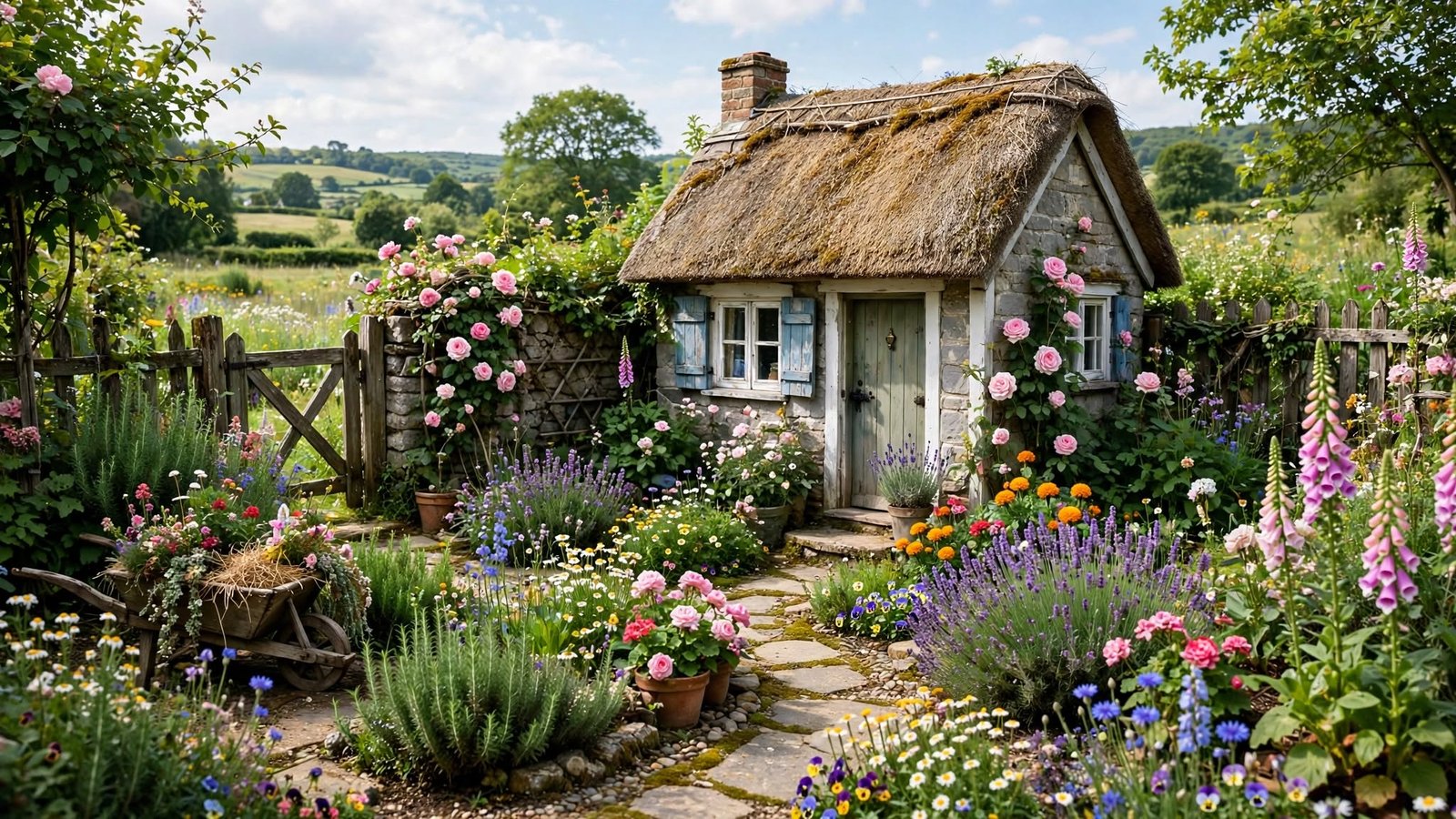
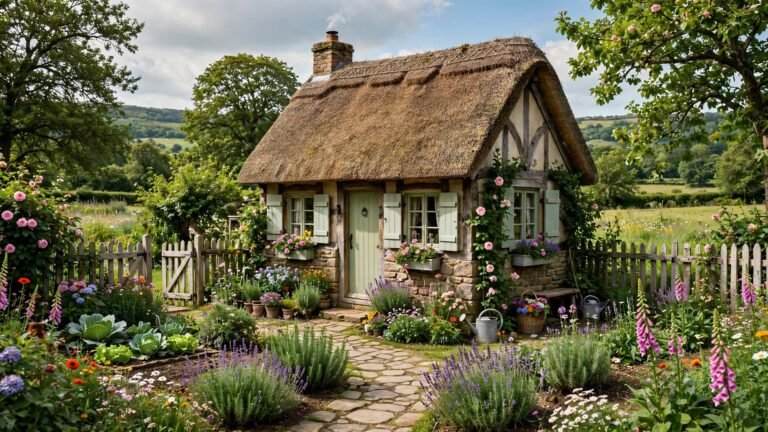
A tiny cottage garden proves that limited square footage never limits beauty. With layered planting, winding paths, and romantic blooms packed into every corner, even a compact plot can feel lush and abundant. These ideas show how a tiny cottage garden turns patios, balconies, and narrow beds into storybook retreats.
Whether you have a postage-stamp yard or a simple side strip, the right structure and plant choices make all the difference. From picket fences to climbing roses, this collection celebrates the tiny cottage garden at its finest. Use these pins as inspiration and watch your small space bloom beyond expectations.
Designing a Tiny Cottage Garden That Feels Endless
Small plots reward thoughtful planning more than grand gestures.
- Layer Your Planting: Combine tall, middle, and ground-level plants so every inch works.
- Choose Curving Paths: A gentle bend hides the garden’s end and makes the space feel larger.
- Repeat Key Colors: Repeating two or three hues ties a tiny cottage garden together visually.
- Use Vertical Space: Trellises and wall planters add greenery without eating ground area.
- Keep a Seating Nook: Even a single chair gives the garden a purpose and a focal point.
- Mix Textures Freely: Soft blooms against gravel, stone, and wood create cottage richness.
- Plant for Succession: Stagger bloom times so the garden never looks empty.
- Edit Ruthlessly: In small spaces, every plant must earn its place.
1. Charming Entry Arch for a Tiny Cottage Garden
Imagine stepping through a flower-draped arch into your own tiny cottage garden. An entry arch instantly frames the space and signals that something special lies beyond. Climbing roses or clematis soften the structure, while the arch adds height without consuming precious ground space.
Even in a tiny cottage garden, a simple wooden or metal arch creates drama and draws the eye upward. Position it at the garden entrance for maximum impact.
2. Picket Fence Borders for a Tiny Cottage Garden
Picture a low white picket fence wrapping your tiny cottage garden in classic charm. Fences define boundaries and give small plots a finished, intentional look. They also provide a backdrop that makes flowers pop and can support climbing plants along the rails.
In a tiny cottage garden, keep fences low so the space stays open and airy. A weathered finish adds character without feeling fussy.
3. Winding Gravel Path Through a Tiny Cottage Garden
Discover how a curving gravel path can make a tiny cottage garden feel twice its size. The gentle bend hides the garden’s endpoint, inviting exploration. Gravel is affordable, easy to lay, and its crunch underfoot adds a sensory layer to the cottage experience.
Line the path edges with lavender or creeping thyme to soften the transition. In a tiny cottage garden, paths are design tools, not just walkways.
4. Cottage Container Combinations for Small Spaces
Consider pots and containers as the backbone of your tiny cottage garden. Grouped containers create instant abundance on patios, steps, and balconies where digging isn’t possible. Mix terracotta, galvanized metal, and woven baskets for that relaxed cottage feel.
Fill containers with trailing and upright plants together for fullness. A tiny cottage garden built from pots can move with you and change with the seasons.
5. Climbing Roses as a Tiny Cottage Garden Focal Point
Anchor your tiny cottage garden with a climbing rose trained along a wall or fence. Roses deliver the quintessential cottage look with minimal ground footprint. Their fragrance drifts through the garden and their blooms return year after year.
Choose compact climbers suited to small spaces and tie stems gently to supports. In a tiny cottage garden, one well-placed rose can carry the entire design.
6. Layered Perennial Beds in a Tiny Cottage Garden
Layer perennials from tall backdrops to low front edgers to maximize your tiny cottage garden. Foxgloves and delphiniums rise behind peonies and daisies, while alyssum spills forward. This stacking technique packs color into narrow beds without crowding.
Perennials return each year, making them budget-friendly. A tiny cottage garden planted in layers looks full within a single season.
7. Build a Rustic Arbor Over a Garden Bench
Build a simple wooden arbor over a bench to create a destination in your tiny cottage garden. The arbor adds vertical interest and supports vines like jasmine or honeysuckle. Sitting beneath flowers gives the garden a romantic, sheltered retreat.
Even a small arbor transforms a corner into a room-like space. A tiny cottage garden feels larger when it contains distinct gathering spots.
8. Bring Fragrance with Lavender and Herbs
Bring scent to the forefront of your tiny cottage garden with lavender, rosemary, and thyme. Herbs are tough, drought-tolerant, and beautiful, making them ideal for small plots. Their fragrance releases as you brush past, turning paths into aromatic experiences.
Plant herbs along path edges and in gaps between flowers. A tiny cottage garden that engages the nose feels twice as memorable.
9. Transform a Narrow Side Strip into a Cottage Border
Transform an overlooked side strip into a thriving tiny cottage garden border. Narrow spaces work beautifully when planted densely with tall flowers at the back and spillers at the front. Vertical layering keeps the strip from feeling cramped.
Choose plants that tolerate part shade if the strip gets limited sun. A tiny cottage garden can flourish in the most unlikely slivers of land.
10. Frame a Cottage Door with Potted Flowers
Frame your doorway with matching pots to give your tiny cottage garden a welcoming heart. Symmetrical planters flanking a door create instant curb appeal and structure. Fill them with geraniums, fuchsias, or boxwood for year-round presence.
Doors are natural focal points, so let plants draw the eye there. A tiny cottage garden begins at the threshold and invites you inside.
11. Explore Cottage Style with a Wildflower Meadow Patch
Explore the relaxed look of a wildflower patch within your tiny cottage garden. Sowing a small meadow mix creates effortless color and supports pollinators. Wildflowers tolerate poor soil and need little watering once established.
Leave seed heads standing through winter for structure and bird food. A tiny cottage garden with a meadow patch feels alive and unpretentious.
12. Shape a Cottage Garden Around a Stone Birdbath
Shape your tiny cottage garden around a stone birdbath as a central feature. A birdbath adds vertical interest, attracts birds, and brings a timeless cottage element. Surround it with low, mounding plants so it stands out.
Place it where you can see it from a window. A tiny cottage garden gains life and movement when birds visit the water.
13. Define Edges with Boxwood and Lavender Hedging
Define the edges of your tiny cottage garden with low boxwood or lavender hedging. Crisp lines contrast beautifully with loose, romantic flowers. Hedges also create structure that keeps a small garden from looking chaotic.
Keep hedges knee-high so they don’t overwhelm the space. A tiny cottage garden balances wildness with clear, intentional boundaries.
14. Introduce a Small Water Feature to the Garden
Introduce a small water feature to bring sound and calm to your tiny cottage garden. A bubbling urn or tiny fountain masks street noise and attracts birds. Water reflects light, making the garden feel brighter and deeper.
Choose a compact, self-contained feature that needs no digging. A tiny cottage garden with moving water becomes a sensory sanctuary.
15. Suspend Hanging Baskets for Overhead Color
Suspend hanging baskets to use airspace your tiny cottage garden otherwise wastes. Baskets of trailing lobelia, petunias, or ivy bring color to eye level and above. They suit balconies and walls where ground space is scarce.
Water baskets regularly since they dry out quickly. A tiny cottage garden can bloom overhead as richly as it does below.
16. Ground the Design with a Cottage Garden Bench
Ground your tiny cottage garden with a weathered wooden bench tucked among the flowers. A bench gives the eye a resting place and the garden a purpose. It invites you to sit, breathe, and enjoy what you’ve grown.
Surround the bench with fragrant plants so sitting becomes an experience. A tiny cottage garden without a seat is just a display, not a retreat.
17. Position a Cottage Gate as a Garden Threshold
Position a charming gate at the entrance to your tiny cottage garden to mark a clear threshold. A gate creates anticipation and makes crossing into the garden feel like an event. Wooden gates with arched tops suit the cottage style perfectly.
Let vines scramble over the gate for a lived-in look. A tiny cottage garden feels more intentional when its entrance is celebrated.
18. Fill Vertical Walls with Trellis and Vines
Fill bare walls with trellises and vines to expand your tiny cottage garden upward. Vertical planting adds greenery and flowers without using any ground area. Jasmine, climbing hydrangea, and sweet peas all thrive on trellis support.
Choose vines suited to your light conditions and clip them regularly. A tiny cottage garden with green walls feels enclosed and lush.
19. Place a Stone Trough for Alpine Charm
Place a stone trough planted with alpines to add texture to your tiny cottage garden. Troughs bring a rustic, aged quality that pairs beautifully with cottage flowers. Alpines stay compact and thrive in shallow, gritty soil.
Set the trough at eye level or near a path where its detail can be admired. A tiny cottage garden gains character through small, considered features like this.
20. Craft a Cottage Cutting Garden in Miniature
Craft a miniature cutting garden so your tiny cottage garden supplies bouquets all season. Choose annuals like cosmos, zinnias, and sweet peas bred for cutting. Even a few rows yield armfuls of flowers for the table.
Harvesting actually encourages more blooms. A tiny cottage garden designed for cutting gives back twice, once in the beds and once in vases.
21. Draw the Eye with a Color-Themed Cottage Border
Draw the eye with a color-themed border in your tiny cottage garden. Restricting the palette to two or three hues creates cohesion and impact in a small space. A pastel border of pinks and blues feels soft and romantic.
Repeat the chosen colors at intervals to guide the eye along the bed. A tiny cottage garden with a clear color story looks designed, not accidental.
22. Elevate Planting with a Raised Cottage Bed
Elevate your tiny cottage garden with a raised bed that lifts plants closer to view. Raised beds improve drainage, warm earlier in spring, and ease planting. They also add structure and let you control the soil perfectly.
Fill raised beds with a mix of flowers and herbs for a cottage feel. A tiny cottage garden built at waist height is easier to tend and enjoy.
23. Reveal Hidden Corners with a Secret Seating Spot
Reveal a hidden corner in your tiny cottage garden by tucking a chair behind tall plants. Secret spots make small gardens feel layered and mysterious. A bench or bistro chair screened by flowers becomes a private escape.
Add a small table for a cup of tea. A tiny cottage garden with a hidden nook rewards curiosity and invites lingering.
24. Embrace Whimsy with Garden Art and Ornaments
Embrace whimsy in your tiny cottage garden with carefully chosen art and ornaments. A vintage watering can, a small statue, or a weathered sign adds personality. Cottage gardens have always welcomed a touch of eccentric charm.
Keep ornaments sparse so they stand out rather than clutter. A tiny cottage garden needs only a few well-placed pieces to feel collected and personal.
25. Capture Seasonal Color with Spring Bulbs
Capture early color by planting spring bulbs throughout your tiny cottage garden. Daffodils, tulips, and grape hyacinths emerge before perennials wake, filling the gap. Bulbs naturalize over time, multiplying year after year.
Plant bulbs in drifts between perennials so foliage hides as it fades. A tiny cottage garden with spring bulbs starts the season with a burst of joy.
26. Notice How Mulch and Gravel Unify a Small Plot
Notice how mulch and gravel unify the surfaces of a tiny cottage garden. Consistent ground cover ties disparate planting areas together and suppresses weeds. Gravel also adds a relaxed, Mediterranean texture that suits cottage plantings.
Choose one material and repeat it throughout for cohesion. A tiny cottage garden looks larger and calmer when its surfaces are consistent.
27. Reflect Light with a Small Garden Mirror
Reflect light and space by hanging a mirror on a wall in your tiny cottage garden. Mirrors create the illusion of depth, making narrow plots feel wider. Framed in weathered wood or metal, they double as garden art.
Position the mirror to catch greenery or sky for the best effect. A tiny cottage garden with a well-placed mirror gains a magical, expanded feel.
28. Invite Wildlife with a Cottage Pollinator Patch
Invite bees and butterflies by planting a pollinator patch in your tiny cottage garden. Flowers like borage, echinacea, and salvia provide nectar across the season. A shallow water dish gives insects a place to drink.
Avoid pesticides and let a few herbs flower for extra forage. A tiny cottage garden buzzing with life feels vibrant and contributes to the wider landscape.
Frequently Asked Questions
Q. What plants work best in a tiny cottage garden?
Ans. Compact perennials, climbing roses, herbs, and spring bulbs thrive in a tiny cottage garden and deliver maximum color in minimal space.
Q. How do I make a tiny cottage garden look bigger?
Ans. Curving paths, vertical planting, mirrors, and layered beds make a tiny cottage garden feel deeper and more expansive.
Q. How much maintenance does a tiny cottage garden need?
Ans. A tiny cottage garden needs regular watering, deadheading, and light pruning, but its small size keeps tasks quick and manageable.
Conclusion
A tiny cottage garden shows that charm comes from thoughtful design, not acreage. Layering plants, curving paths, and adding vertical interest turn even the smallest plot into a lush retreat. Every pin here proves that limited space can hold unlimited beauty.
Start with one idea, like an entry arch or a container grouping, and build outward. With patience and a little planning, your tiny cottage garden will become the most inviting corner of your home.