Backyard Privacy Wall Ideas That Create Real Seclusion
There’s this weird thing that happens with backyard walls—people either go full fortress mode building something that feels like a prison yard, or they put up a wimpy barrier that doesn’t actually block anything, leaving them still feeling exposed. The challenge with privacy walls is finding that sweet spot where you’ve got genuine seclusion without making your outdoor space feel like you’re hiding from the world or accidentally annoying neighbors with a massive eyesore.
Backyard privacy wall ideas need to do more than just exist—they’ve got to block sightlines at the right heights, look intentional instead of defensive, and somehow not make your yard feel smaller even though you’re literally building walls. The solutions that work combine solid screening with smart design creating boundaries that feel natural rather than confrontational.
We’re covering 10 backyard privacy wall ideas that actually deliver seclusion. These practical approaches use different materials, heights, and styles creating private outdoor spaces that feel like retreats rather than bunkers while working with various budgets and yard sizes.
Here’s what we’re digging into:
- Solid wall construction for complete privacy
- Mixed-material walls adding visual interest
- Living walls using plants
- Modern screen wall designs
- Height and placement strategies
- Decorative elements that also screen
What Makes Privacy Walls Actually Effective
Height Matches Your Specific Needs: A six-foot wall blocks ground-level views perfectly but does nothing against second-story windows while eight-foot walls provide better screening but might violate local codes—measuring from your actual seating areas to neighboring vantage points reveals what height you really need. It’s like buying curtains after measuring windows instead of guessing. The proper height calculation prevents building too short or unnecessarily tall.
Material Choice Sets the Whole Vibe: Solid stucco walls create completely different feels than slatted wood screens or living green walls—your material selection determines whether your wall reads as fortress, modern design element, or natural boundary affecting how both you and neighbors perceive it. It’s like choosing between leather and linen for a couch. The material decision shapes your entire outdoor aesthetic.
Strategic Gaps Prevent Claustrophobia: Incorporating openings, varied heights, or see-through sections in your privacy wall maintains airflow and light while still blocking direct sightlines—complete enclosure often makes yards feel cramped where thoughtful partial screening provides privacy without isolation. It’s like having windows in a room versus solid walls everywhere. The breathing room keeps spaces feeling open.
Foundation and Installation Determine Longevity: Privacy walls face wind loads, soil movement, and weather exposure requiring proper footings and installation—cutting corners on foundations leads to leaning walls within a few years while proper construction lasts decades. It’s like building a house on rock versus sand. The structural integrity makes the difference between investment and money pit.
10 Backyard Privacy Wall Ideas
Build genuine seclusion into your yard with these backyard privacy wall ideas combining effective screening with thoughtful design.
Horizontal Slat Wood Wall
Install modern horizontal slat fencing with 1-2 inch gaps between boards creating contemporary privacy walls that block views while allowing airflow. The clean-lined design feels current and intentional rather than defensive while cedar or composite materials handle weather exposure. It’s like architectural screening that happens to provide privacy.
Space slats strategically—closer together for more privacy, wider for lighter screening. Use posts every 6-8 feet supporting wall structure. Cedar slat walls run $35-$75 per linear foot installed. These backyard privacy wall ideas deliver style with function.
Stucco Block Wall
Build solid stucco-covered concrete block walls creating permanent privacy barriers with smooth finished appearance. The masonry construction provides complete visual and sound blocking while stucco finish offers color customization matching your home. It’s like extending your house walls into the yard.
Include rebar reinforcement and proper footings supporting wall weight. Add decorative caps finishing top edge. Expect $50-$100 per linear foot for professional installation. These backyard privacy wall ideas offer maximum privacy and permanence.
Living Green Wall
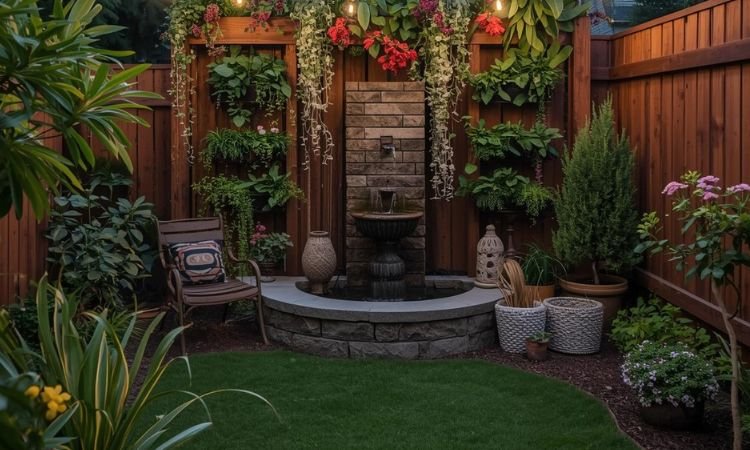
Create vertical gardens using modular planting systems mounted on fence backing or frames forming lush living privacy walls. The planted surface provides screening through foliage while adding greenery and softening hard edges. It’s like hanging gardens that block views.
Install drip irrigation keeping plants watered without constant maintenance. Choose plants suited to your sun exposure—ferns for shade, succulents for sun. Living wall systems cost $100-$200 per square foot installed. These backyard privacy wall ideas bring nature into privacy solutions.
Corten Steel Panel Wall
Install weathering steel panels creating modern industrial privacy walls that develop rich rust patina over time. The metal screens provide solid barriers with contemporary aesthetic while Corten steel’s intentional oxidation eliminates maintenance concerns. It’s like sculpture that creates boundaries.
Frame panels properly preventing wind damage. Leave gaps at bottom for drainage preventing water pooling. Corten panels run $45-$85 per linear foot installed. These backyard privacy wall ideas make bold design statements.
Combination Stone and Wood Wall
Build mixed-material walls using stone pillars or base with wood panels between creating visual interest through contrasting textures. The hybrid approach breaks up monotonous fencing while the stone elements add permanence and structure. It’s like accent walls that extend outdoors.
Use natural stone or manufactured veneer reducing costs while maintaining appearance. Ensure proper footings supporting stone weight. Combination walls cost $60-$120 per linear foot depending on materials. These backyard privacy wall ideas add architectural detail.
Bamboo Screen Wall
Install bamboo panels in frames creating natural privacy walls with organic texture. The sustainable material provides solid screening while maintaining Asian-inspired or tropical aesthetic that feels less harsh than traditional fencing. It’s like bringing zen garden vibes to privacy needs.
Seal bamboo protecting against weather and insects extending lifespan. Frame panels every 6-8 feet providing structural support. Bamboo walls run $25-$50 per linear foot. These backyard privacy wall ideas offer eco-friendly screening.
Vertical Board Fence Wall
Build classic board-on-board or shadowbox fencing creating privacy walls with traditional appearance. The overlapping vertical boards block sightlines completely while small gaps allow air circulation preventing solid wall stuffiness. It’s like time-tested privacy that just works.
Use pressure-treated or cedar boards resisting rot and insects. Alternate board sides creating dimensional appearance. Vertical board walls cost $30-$60 per linear foot installed. These backyard privacy wall ideas provide reliable conventional screening.
Gabion Rock Wall
Stack wire cages filled with rocks creating textured privacy walls with modern industrial aesthetic. The gabion construction provides visual screening while the rock-filled cages offer interesting texture and natural elements. It’s like stone walls that assemble like building blocks.
Use locally-sourced rocks reducing material costs. Ensure level base preventing shifting over time. Gabion walls run $40-$80 per linear foot depending on rock selection. These backyard privacy wall ideas combine natural and industrial elements.
Louvered Privacy Screen
Install adjustable or fixed louver panels creating walls with angled slats blocking views from outside while maintaining sightlines from inside. The directional screening provides privacy without feeling completely closed off while allowing ventilation. It’s like plantation shutters for your yard.
Choose angle blocking neighbor views while maintaining your outward visibility. Use aluminum or composite materials for durability. Louvered walls cost $55-$95 per linear foot installed. These backyard privacy wall ideas offer sophisticated screening.
Mixed Panel Art Wall
Create privacy walls using various decorative panels—laser-cut metal, carved wood, or patterned screens—arranged artistically. The design-forward approach makes privacy walls into outdoor art installations while still blocking sightlines effectively. It’s like a gallery wall that creates boundaries.
Mix solid and open panels balancing privacy with visual interest. Choose weather-resistant materials preventing deterioration. Decorative panel walls range $50-$150 per section depending on design complexity. These backyard privacy wall ideas make screening beautiful.
Planning Your Privacy Wall Project
Check Local Codes First: Verify fence height limits, setback requirements, and permit needs before designing your wall—most areas limit residential fencing to 6 feet in backyards and 4 feet in front yards with specific setback distances from property lines. It’s like checking the rules before playing the game. The upfront research prevents expensive mistakes or forced removal.
Mark Property Lines Accurately: Get a survey or clearly identify exact property boundaries before building—constructing even one inch onto neighbor’s property creates legal headaches and potential removal requirements. It’s like making sure you’re coloring inside the lines. The boundary confirmation avoids disputes and do-overs.
Consider Neighbor Relations: Talk to adjacent neighbors about your plans before construction starts—explaining your privacy needs and offering to make the neighbor-facing side attractive maintains relationships while potentially splitting costs on shared fence lines. It’s like being a good neighbor even while building boundaries. The communication prevents bad blood.
Plan for Gates and Access: Include gates wherever you’ll need to move equipment, furniture, or access utilities—planning access points into your initial design beats cutting openings later disrupting wall continuity. It’s like putting doors in a house instead of climbing through windows. The access planning maintains functionality.
Real Questions About Privacy Walls
How High Should Privacy Walls Be?
Six feet blocks most ground-level views and matches standard fence regulations, while seven to eight feet provides better screening but often requires permits. Measure sight lines from your seating areas to neighboring windows determining actual height needed for privacy.
Taller isn’t always better. Eight-foot walls can make yards feel enclosed and dark while strategic six-foot placement often provides sufficient privacy with less imposing presence.
What’s the Most Affordable Privacy Wall?
Vertical board fencing typically costs least at $30-$45 per linear foot for basic wood construction, while bamboo screens offer budget-friendly natural alternatives. DIY installation can cut costs in half but requires time and skills.
Factor in longevity when comparing costs. A $40 per foot cedar wall lasting 15-20 years costs less long-term than a $25 per foot option needing replacement every 5 years.
Do Privacy Walls Need Permits?
Most areas require permits for walls over six feet high or for any permanent masonry construction. Simple fence-height screens under six feet often don’t need permits but regulations vary by location. Always check with your local building department.
Getting caught without required permits can mean fines or forced removal. The permit process takes a few weeks but saves major headaches later.
How Do You Prevent Walls From Looking Harsh?
Soften hard walls by adding climbing plants, incorporating mixed materials, varying heights, or including decorative elements. Staining or painting walls to complement your home’s exterior helps them feel integrated rather than afterthought.
Lighting also transforms walls—uplighting plants or adding sconces makes privacy walls feel intentional and welcoming rather than fortress-like.
What About Wind and Weather?
Solid walls need stronger footings and posts handling wind loads—use posts every 6-8 feet with concrete footings extending below frost line. Slatted or louvered designs reduce wind resistance while still providing privacy.
Consider your climate when choosing materials. Wood needs regular maintenance in wet climates while metal and masonry handle various weather with minimal upkeep.
Creating Your Private Outdoor Space
Backyard privacy wall ideas work when they’re matched to your specific sightline problems rather than just surrounding your entire yard because you can. The effective approach identifies exactly where you need screening then builds walls at appropriate heights using materials that complement your space. Systems combining solid privacy with breathing room create seclusion without the boxed-in feeling that makes privacy walls backfire.
Start by sitting in your yard noting exactly where you feel exposed—those specific angles are what your wall needs to address, not necessarily your full perimeter. Choose materials and styles fitting your home’s aesthetic so walls feel integrated rather than added as afterthought. Get proper permits and respect setbacks avoiding legal issues down the line. Build with quality footings and installation ensuring your privacy investment lasts decades not just a few years.
What’s keeping you from building the privacy wall you want? Drop your concerns in the comments!